Episode 696
Susan Orlean and David Ramirez
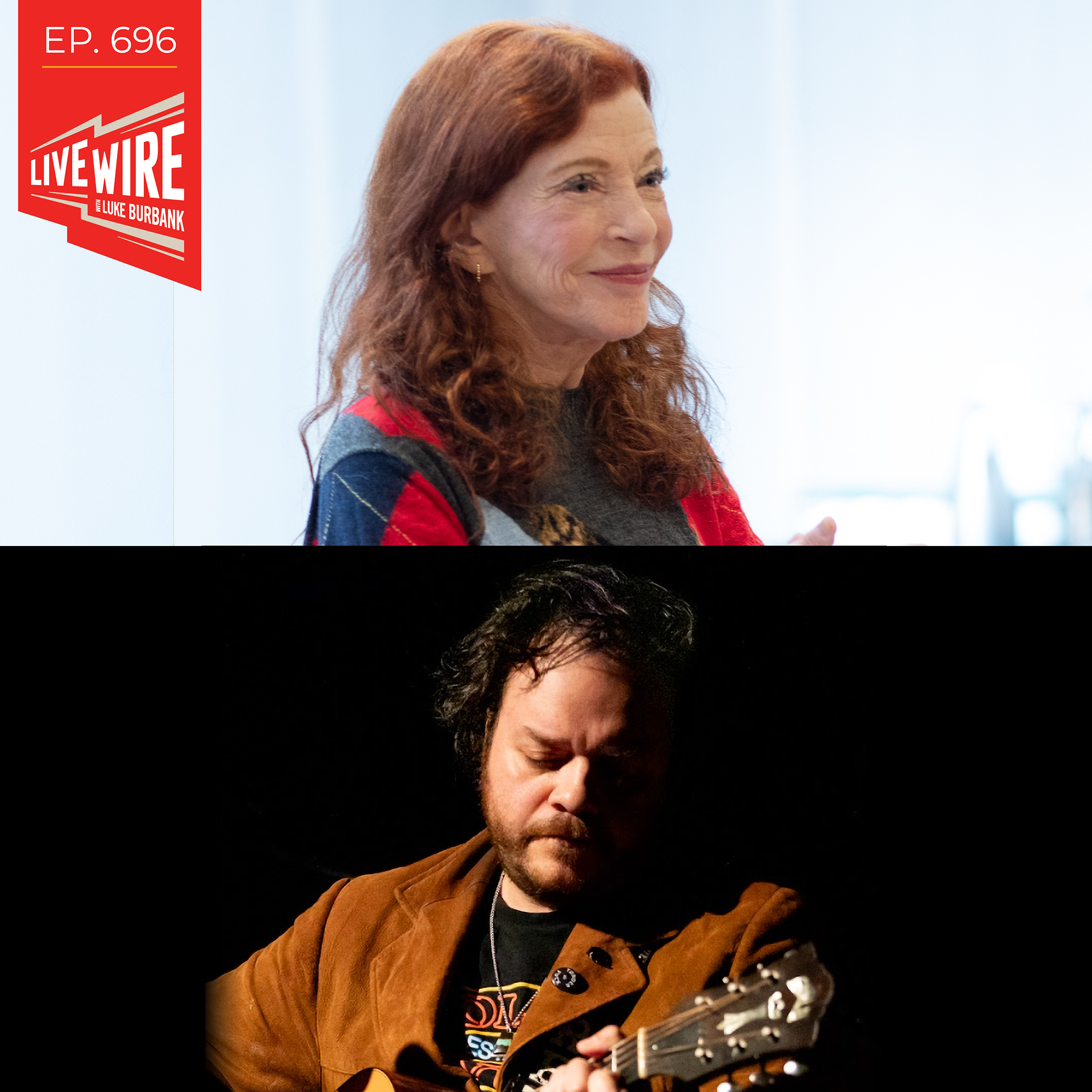
Acclaimed writer Susan Orlean (The New Yorker) reflects on her storied career through the lens of her new memoir Joyride, which touches on her unique approach to research and celebrity profiles... and how Meryl Streep came to portray her in the "adaptation" of her hit book The Orchid Thief; plus, Austin's beloved singer-songwriter David Ramirez performs "Put In The Work" from his EP Rules & Regulations.
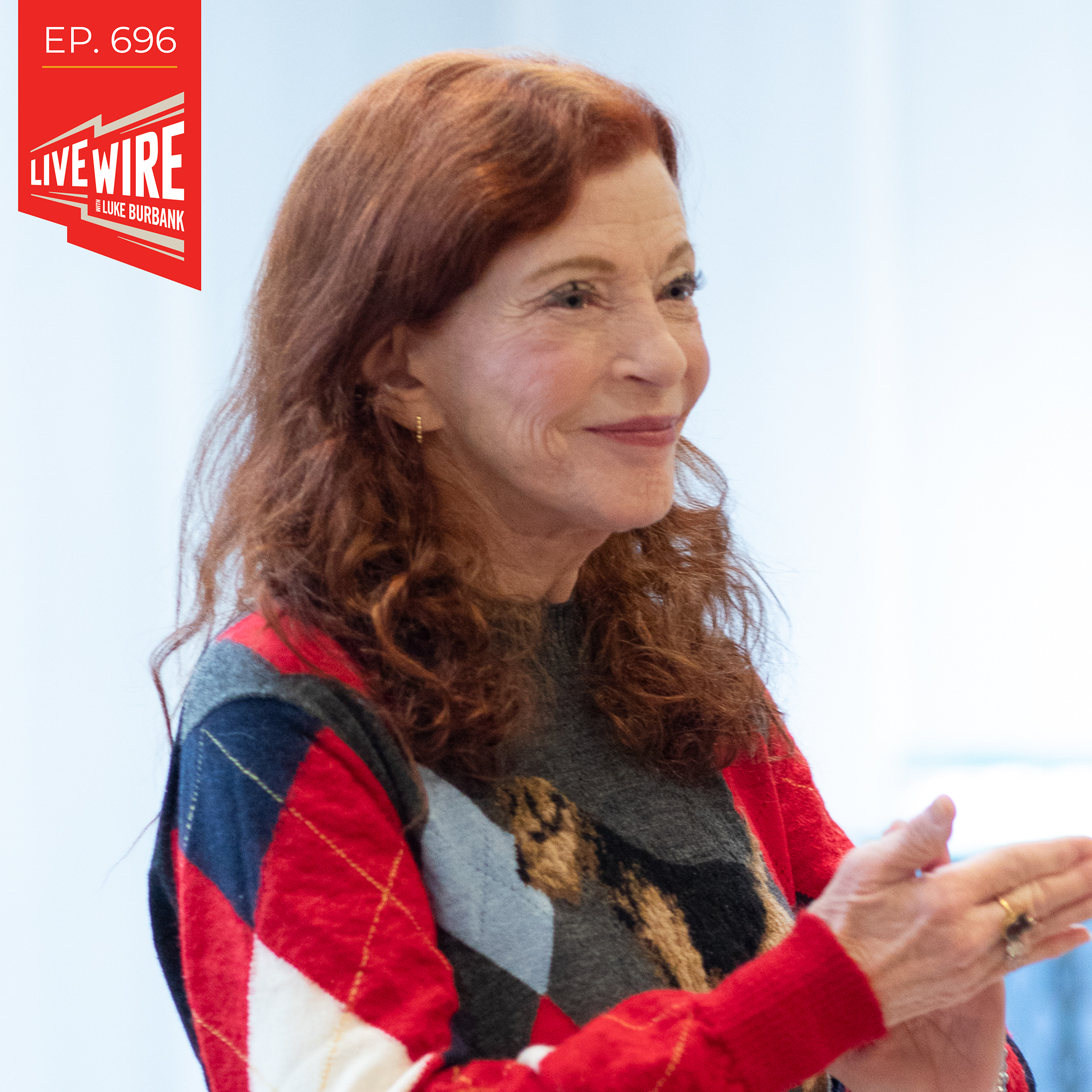
Susan Orlean
One of America’s Most Celebrated Literary Voices
Susan Orlean has been a New Yorker staff writer since 1992. She is also the New York Times bestselling author of seven books, including The Library Book, Rin Tin Tin, Saturday Night, and The Orchid Thief, which was made into the Academy Award–winning film Adaptation. Her latest work is Joyride, a masterful memoir of finding her creative calling and purpose that invites us to approach life with wonder, curiosity, and an irrepressible sense of delight. She currently lives with her family and her animals in Los Angeles.
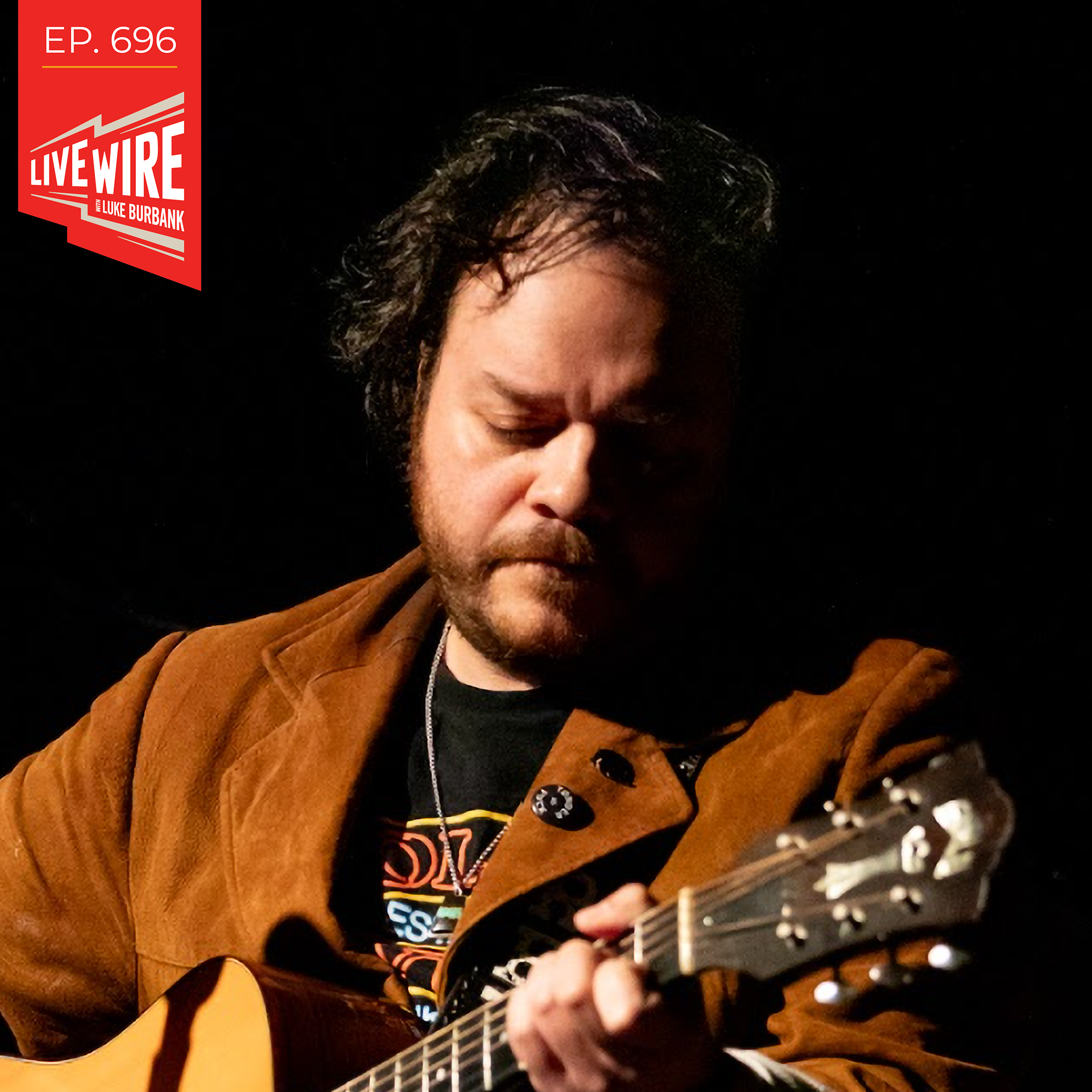
David Ramirez
Venerated Singer-Songwriter
David Ramirez is an Austin-based singer-songwriter with an extensive musical portfolio, including six full-length studio albums, three EPs, numerous collaborations, and an illustrious supergroup project in Glorietta. In 2020, he was awarded Songwriter of the Year by The Austin Chronicle, recognizing his significant contributions to the music scene. Praised by NPR Music as "the ever moody innovator of Americana," he returns with his most recent album, All The Not So Gentle Reminders, a wide-ranging musical tour-de-force featuring Ramirez’s remarkable voice as the constant thread spinning stories and painting poetic imagery throughout.
Show Notes
Best News
Elena’s story: “A widow and widower fell in love during water aerobics. They wed in the pool.”
Luke’s story: “At this ultramarathon, runners tackle 32 miles and eat at nine Taco Bells”
Susan Orlean
Susan’s new memoir is Joyride.
Susan started her professional writing career as a staff writer for Portland’s very own Willamette Week.
Elena references Susan Orlean’s 1992 Esquire Article, “The American Man at Age 10.”
Live Wire Listener Question
What would be the title of your memoir?
David Ramirez
David performs “Put In The Work” from his 2022 EP Rules & Regulations.
His latest album is All The Not So Gentle Reminders.
-
Elena Passarello: From PRX, it's… Live Wire! This week, writer Susan Orlean.
Susan Orlean: There I am as a character, which I never imagined, in different, somewhat compromising positions: having an affair with John LaRoche, the orchid thief, being a drug maniac, killing a fish and wildlife officer. You know, just a few differences. Just a few.
Elena Passarello: With music from David Ramirez and our fabulous house band. I'm your announcer, Elena Passarello, and now the host of Live Wire, Luke Burbank.
Luke Burbank: Hey, thank you so much, Elena Passarello. Thanks to everyone for tuning in from all over America. We have a great show in store for you this week. We're trying something a little unusual. Most of the show will be dedicated to a chat with the great writer, Susan Orlean. And then we've got some great music coming up from David Ramirez as well. First, though, something very usual for us, which is we gotta kick things off with the best news we heard all week. This is our little reminder at the top of the show that there is good news happening out there in the world. You just gotta look for it. And we did, and we found some. Elena, what is the best news you heard all week?
Elena Passarello: Ooh, get ready, Luke Burbank. This is a good one. So in 2022, a widow named Marlene, who's 75 years old, met a widower named Edward, who is 80. They did not meet at a bar. They did not meet on Hinge or any of those dating apps. Guess where they met?
Luke Burbank: They met at a square dance.
Elena Passarello: They met at a water aerobics class at a YMCA in Maryville, Illinois. I hear that Edward is a little bit of a prankster. He's a splasher, and so he was splashing most of the class' ladies. He was splashing the other ladies in the class, and most of them weren't having it. But Marlene, Marlene knows how to party, so she splashed back. And they started dating. And when they started dating, the one rule that they had was that they were never going to talk about marriage because they were never getting married again. And they started doing a whole bunch of things that they enjoyed together, like making soup and doing word puzzles and stealing kisses during water aerobics class.
Luke Burbank: Does that qualify as horseplay? Because every pool I've ever been to, there's a big sign that says no horse play.
Elena Passarello: Yeah, that's my favorite kind of horseplay, honestly. Smoochy horseplay. Well, one thing led to another, and they fell in love. And Edward ended up proposing, even though they had that marriage is off the table clause, and she accepted. And lo and behold, they learned that their 54-year-old YMCA water aerobics instructor was an ordained minister. So these two lovebirds, their waterfowl, I suppose, lovebirds, they staged their wedding 15 minutes before their water aerobics class at the YMCA. The bride wore like a white shirt and white swim trunks with a white tutu. The groom wore a top hat and some kind of neoprene tuxedo t-shirt variation. The bride threw her bouquet into the water. Their vows were laminated.
Luke Burbank: Oh my gosh.
Elena Passarello: And she vowed that she would maybe make him dinner occasionally, and he vowed that he would sometimes give her a remote. So it was a wonderfully irreverent affair. And then they splashed each other. And then they had to stop the wedding because it was time for water aerobics class to start. And then, oh, and while they got married, all the other women that were in the water aerobics class circled around them and did like a water ballet, like a synchronized swimming.
Luke Burbank: Like a some like an Esther Williams
Elena Passarello: Yes, it was like an Esther Williams hoop up.
Luke Burbank: I love it.
Elena Passarello: Yeah. So I got married five years ago. My husband and I got married by an Elvis minister and I was looking for a vowel renewal option and I have a feeling, you know, when I'm eighty and he's ninety or whatever, like this is what we're gonna do.
Luke Burbank: I mean, not to mention just the physical benefit of it, doing the water aerobics, like, you know, you're you're setting yourself up for an an additional decade of good health together. Speaking of physical fitness, Elena, the best news that I heard comes out of Washington, DC, where folks just finished a 50K race, an ultra marathon. My question to you is could you run fifty kilometers, which is I guess roughly thirty two miles? What would it take to get you running thirty two miles?
Elena Passarello: A long chase and a surrogate runner.
Luke Burbank: Okay, so you wouldn't be able to do it. [Elena: No.] What if I told you that you could eat Taco Bell throughout the ultra marathon? Because this, my friend, was the Taco Bell D.C 50K. Wow, you look actually less intrigued by the project.
Elena Passarello: It just sounds like it would really mar the operation a little bit to–
Luke Burbank: Well, that is a consideration that these folks were making. They just did this the other weekend. It's a thirty-two mile race, but the rules of it are during the thirty-two miles, you've got to hit nine taco bells, which were scattered across Alexandria and Arlington, Virginia, and then other ones around the District of Columbia. You had to purchase and eat an item off of the menu at each location. And by the way, drinks did not count.
Elena Passarello: That was my first thought.
Luke Burbank: Oh, they've already thought ahead. And they also have some rules about what you have to have at least one of by the fourth Taco Bell stop. Because I don't want you just like, I don't know, getting the like a small taco or something at each stop. By the fourth Taco Bell stop, you would have to have eaten a chalupa supreme or a crunch wrap supreme. And by the eighth stop, you would have had to eaten a burrito supreme or a nachos bel Grande.
Elena Passarello: Did they all die? Is it just is this just a story of a murder?
Luke Burbank: Many survived and finished and in fact even thrived. See, this speaks to how much Taco Bell I ate, particularly in college, particularly after drinking a lot. Because this sounds like an average Saturday night after the bars to me. But everybody who was running the race was as they would get to the Taco Bell and the reporters would be talking to them, they would all be kind of complaining about how hard it actually was to eat all of this Taco Bell food while running. I actually like this guy's approach. A guy named Ryan Stern was involved. By the way, he had eleven hours to finish this race and you had to bring receipts. You had to bring receipts of the Taco Bell food that you had purchased at eaten that day.
Elena Passarello: So you're running with a bunch of receipts in your pocket?
Luke Burbank: Add it to the list of the indignities of this race. Ryan Stern was interviewed who described himself as a chaos monkey. He said I like eating Taco Bell. I do not run at all. But I can walk for eleven hours. I'm gonna finish because it's funny and no one believes I'm going to finish. And I'm going to finish.
Elena Passarello: Oh.
Luke Burbank: I like that approach.
Elena Passarello: Thirty miles in eleven hours?
Luke Burbank: 32 miles in 11 hours and nine taco bells. The winner was Mike Smith, age 43. He did the race in four hours, 12 minutes, and 35 seconds. When he finished, they asked him what his secret was. He said, I have an iron stomach.
Elena Passarello: Yeah. Yeah, you do.
Luke Burbank: They said, What is your practice routine? He said, Every day after work, I down a happy hour beer, then I go running. So this was a race that really called upon a special set of skills, I think, beyond just being fast. So shout out to Mike Smith and the other 429 finishers. [Elena: What?] Yeah. You're right, Elena. The more that I told you about the story, the more crazy it sounded to me. Surviving this very questionable race. That is the best news that I heard all week. You're listening to Live Wire. Our first guest is truly one of America's great nonfiction writers. Over her storied career, which actually started here in Portland at the Willamette Week. She has managed to turn over like small corners of everyday life and just find the huge richness of experience happening there. She's a staff writer at The New Yorker, who's also been portrayed by Meryl Streep in the movie Adaptation, which is based loosely, like very loosely, more on that coming up, on her book, The Orchid Thief. Her latest work is Joyride, a memoir, and it really is a joyride to read. This is our chat with Susan Orlean. We recorded this as part of the Portland Book Festival, live from the Heathman Hotel in Portland, Oregon. Take a listen.
Susan Orlean: I'm so excited to be here.
Luke Burbank: That means a lot coming from you because I have been reading your articles and your books for years and so I have a feeling that I kind of know a little bit about you, but this book, Joyride, is really a a a sort of new view into your life and your growing up years and everything. You grew up in Shaker Heights in Cleveland?
Susan Orlean: Yes. Suburb of Cleveland.
Luke Burbank: What kind of kid were you? And and is there a particular kind of kid who makes a good writer?
Susan Orlean: I was a curious kid and I really believed in the magical power of writing things down. And I wrote the story of all my family trips. I felt that there was a magical power in taking an experience, recording it in writing, and that it meant that it could live forever. So even the family trip ended, and that was always very poignant for me when I was a kid. I love being on our family vacations. But if I wrote it down, it felt like I could keep it forever.
Luke Burbank: Yeah. Portland is a very big character in this book. Because I did not realize this, but you got your start at the Willamette Week here in Portland. Like you drove from Michigan to Portland and started writing for a weekly out here.
Susan Orlean: Yes. Well, with a brief stopover as a waitress. [Luke: Okay.] I should say. I came out to Portland right after I graduated from college. I did a lot of analysis, trying to think what would be the perfect place to begin my career as a writer, which basically is a way of saying my boyfriend was moving out here and I followed him.
Luke Burbank: Mm-hmm.
Susan Orlean: And to my great fortune, there was a little tiny magazine starting up in Portland at the time. And I had never done nonfiction writing, but I wanted to do it passionately. I knew it's what I wanted to do. So I just threw myself in and learned on the job. And then that magazine had funding for about a year, and when it ended, I ended up with Willamette Week.
Luke Burbank: But you, you write in this book that you learned three kind of really important concepts about reporting from your editor at the Willamette Week.
Susan Orlean: Yeah, and I'm being very honest when I say that I began my career as a writer by doing it on the job. I didn't go to journalism school, I took no journalism courses in college. But Ron Buell, who was the editor of the paper at the time, was a wonderful mentor. And he gave us this sort of axiom that I still live by, which was every piece of nonfiction writing has three distinct phases. The first one is reporting, research, however you want to describe it. The second one is thinking. And the third one is writing. And what was revelatory was the idea that there was a part of the process where you just sat and thought and you didn't instantly start writing, that the process of writing should emerge as the result of you thinking through what you had learned and why you were writing it. But also it made me realize and to this day live by the idea that I do all my reporting before I write. And that can be scary. For instance, when I've written books, I will begin the research, and the research can take years. Well what I do to help with the terror that this induces is I always go to Microsoft Word and open a new document and title it New Book. So there's nothing in it, but I do have a file.
Luke Burbank: That's huge.
Susan Orlean: So when my editor says, How's it going, I can open that file and go, you know, pretty good actually.
Luke Burbank: This is Live Wire from PRX. We are talking to the writer Susan Orlean about her memoir, Joyride. We've got to take a very quick break, but don't go anywhere. When we come back, Susan will talk about what it was like to have herself portrayed by Meryl Streep in the film Adaptation, which was loosely based on her book, The Orchid Thief, and also how she was worried, Susan was, that she might come off as a lunatic, which you'll understand if you've ever seen that movie. Anyway, much more with Susan Orlean coming up in a moment. Stay tuned to Live Wire. Welcome back to Live Wire from PRX. I'm your host, Luke Burbank, here with Elena Passarello. We are talking to the writer Susan Orlean about her memoir, Joyride. This was recorded as part of the Portland Book Festival, recorded at the Heathman Hotel. Let's get back into it. Something else that you talk about in the book is that you write sort of in a linear way. [Susan: Yeah.] So when you're writing a piece, you kind of start at the beginning and the lead is very important, the beginning of the story, but you write it in order. Which I was surprised by because I could see with someone who writes as much as you do and things that are can be as complicated, I could see you breaking it up into chunks and going, This is this section and this section, and then almost the connective tissue is kind of the last part.
Susan Orlean: Right.
Luke Burbank: There's something very, I think charming, about you going, here's the beginning of the story, here's the middle of the story, here's the end of the story.
Susan Orlean: Yeah. But you know, I there's a very particular reason for that. And often I will know that certain chunks are going to appear. But I really use as my model the sort of tradition of oral storytelling. And the way you tell a story out loud is you start at the beginning, you then go to the next part, and they it's very connected in a way that's organic. I like to believe that I could sit down and tell you the story of my book out loud, you know, even without notes, and just really tell it to you the way I discovered it. And that's what I want the book to feel like.
Elena Passarello: There's this awesome scene in Joyride where, I guess it's not a scene, but a explanation of that hook for the American Man at age ten, the Esquire article. And it had me thinking about music. When you work short and when you work with a lot of personality, you've got to show the reader what the song is really early on. So starting early and starting in the beginning, it gives the reader kind of a sense of all [Susan: Yes.] the material that's gonna or the sound that's gonna come.
Susan Orlean: Well, I agree a hundred percent. And I think often music is very, nforms a lot for me because I do think there's kind of a melody of the way you're writing. The pacing is really important, the tempo, the you know, it feels very musical.
Luke Burbank: Can we also give a little bit of kind of setup for that piece? Because I think it's an amazing story but also an amazing bit of Hutzpah on your part. Because I believe this is maybe one of your first kind of big assignments, or it's a big assignment for you, let's just say. Like you've come from Portland and now you're out in New York, and is it Esquire that you're writing for? [Susan: Yes.] And basically they want to do this series of articles about the American man at different age ranges. And so they said, We're gonna have you write about a ten year old and the ten year old was Macaulay Culkin.
Susan Orlean: Yes.
Luke Burbank: The most famous ten year old on the planet at that time. And you said, How about a guy named Colin Duffy who no one's heard of?
Susan Orlean: Yes. I mean–
Luke Burbank: I mean, where did you even get like the cojones for that pitch?
Susan Orlean: You know, I to this day I can't tell you. I mean, I was over the moon that Esquire had called me. I'd never written for them before. And Esquire was like a seriously great magazine. And, you know, I'm called into the office and the editor says, you know, well, good news, we'd like to give you an assignment. Macaulay Culkin, you know, he's gonna represent the American man at age ten. And I just thought, yeah, no, no. First of all I thought, you know, I'm just not interested in Macaulay Culkin. Secondly, I thought, but he doesn't represent the American man at age ten, he represents like one other ten year old actor, maybe.
Luke Burbank: Right.
Susan Orlean: And I just sort of blurted out, how about if I just write about an ordinary ten year old boy? And–
Luke Burbank: Who by the way didn't seem to like you, a ton at first. Yeah. You're like, Give me Culkin. At least he at least he'll pretend to like me.
Susan Orlean: Believe me, I mean, for the the first day after I found this kid and he agreed to do it and his parents agreed, I showed up at his house because my plan was I was gonna spend two weeks going to school with him, hanging out, going on his play dates, you know, just like being a 10-year-old boy. I arrived that morning, our first day together, and he shunned me. He, I think he looked at me and suddenly thought, this like grown-up lady is going to come with me to school. And he kind of cold shouldered me. So we left to walk to school, and he was like ten paces ahead of me, and I'm like shuffling behind him like a geisha. I was like, you know, yes, master. And we got to school, and I think the thing that helped was his friends, I think saw me as a really cool show and tell. And they were sort of interested in me. And he was a nice kid, and I think he could tell that I'm sitting in the little tiny fifth grade chair. And feeling like I've blown it. I've ruined my career. I'm you know–
Luke Burbank: You seem to in the book talk about having this feeling at some point during everything you've ever written that this was a terrible mistake and will be the end of Susan Orleans' career.
Susan Orlean: Yes, I mean this is a like a motif for me. But I sat there thinking, what was so wrong with Macaulay Culkin? Like wh–
Luke Burbank: Okay, well, one of the things, again, not to blame Macaulay Culkin, but that you talk about this in the book, and I know this from, you know, some of my job stuff. There's almost nothing less illuminating than the celebrity profile because they have these teams of people. In my experience, it's not even so much the celebrity, oftentimes. It's this coterie of folks around them who are only incentivized to say no. [Susan: Right.] The only thing that can go wrong is if they say yes and then something bad happens to Macaulay Culkin. So they tend to say no to everything, and then you get this very bland interview with them. But you've also done many great celebrity interviews. What are your tips and tricks for kind of breaking through that?
Susan Orlean: You know, celebrity profiles, I I sort of make fun of them in the book because it's, I do the uncelebrity profile as my calling card, but I've done tons of celebrity profiles. I think the most important thing is understanding the mechanism of what's going on. That you need to appreciate that unlike interviewing an ordinary person, in a celebrity profile, everybody's got a stake in it. And it's to their advantage to show you X amount of who they are. Even if you become convinced, I'll tell you a funny story, you often become convinced that you're the one who broke through and you're the one who really connected.
Luke Burbank: Yeah.
Susan Orlean: So one year Tom Hanks was promoting a movie and I got an assignment from Rolling Stone to profile him. Coincidentally, my office mate who wrote for New York magazine also got an assignment to profile Tom Hanks.
Luke Burbank: Right.
Susan Orlean: And his wife, who wrote for New York News Day, also got an assignment. [Luke: Oh gosh.] And I met with Tom Hanks, and of course, he's an incredibly charming, wonderful guy. And I thought, like, I'm really connecting with him. Like we are really, you know, like I'm getting beyond the celebrity profile. And at one point he said to me, you know, I've got to tell you something. This sounds weird. I've never told anyone before, but you know, I always thought I was really ugly. And I thought, oh my God, I've scored. Like I've really, you know, I've broken through. I'm really getting to the real Tom Hanks. I get back to my office, you know where this is going, of course. Like I almost don't even want to tell you. But I come back to my office, and my office mate said, How did your time go with Tom Hanks? And he had already done his interview. I said, Well, actually, it was pretty great. So, you know, I like, I shouldn't, you can't put this in your story. But he told me something he's never told anyone before. And he said, Let me guess, that he always thought he was ugly. And he says, Hang on a minute, let me call my wife. And she gets on the phone. She says, wait, let me tell you what he told me, that he's never told anyone before, that he always thought he was ugly. And I thought, Oh my God. And I, I should say I love Tom Hanks. [Luke: Yes.] And I'm actually really proud of those pieces. I feel like I acknowledge the part of it that's part of the machinery. But that my observations, my attention to detail is gonna maybe elevate it.
Luke Burbank: We're talking to Susan Orlean here on Live Wire. Your first book it was a a truly ambitious concept called, Saturday Night, which was about the idea of Saturday night and what are people doing. I mean how do you tackle a topic like that?
Susan Orlean: Well, this whole thing, this was my first book as you said, and writing a book is a big leap from writing a magazine story. I had been pitching a story that a book idea that was very book idea ish, namely to follow a couple of people training for the Iron Man, which was new at the time. And I met with a publisher who said, you know, I really love your work. I love the idea of working with you, but is this the book you really want to do? And I said, absolutely not. I want to do a book about Saturday night in America. Again, you might think I have a little problem with impulsiveness when, in high level meetings, but I didn't really want to do a book about the Iron Man. And I blurted out, I want to do a book about Saturday night in America. And she said, I love it, great, I'll send a contract in the morning. Then I spent about two years thinking, What did I mean when I said that?
Luke Burbank: Yeah.
Susan Orlean: Literally, what did I mean? But I knew what the heart of it was, which was, I think that there are very few common denominators in American life. And one common denominator, whether you're old or young or rich or poor, working, not working, is that Saturday night still feels different from the rest of the week. Even no matter where you are. So what I wanted to do was create this a kind of snapshot of Saturday night in a wide range of places and circumstances around the country. I ended up with about 18. Everything from hanging out with a lounge band in Portland. [Luke: Mm-hm.] Going to a Park Avenue dinner party, hanging out with a babysitter in the suburbs, going to a polka parlor in Maryland, going to the biggest restaurant in the United States and hanging out with the waitresses and waiters there. Really trying to create this sort of time-lapse photo of America on Saturday night, and also talking about why is it, why do we want Saturday night to be different? What is it that has made this idea that one night feels a little different?
Luke Burbank: Right. But the not being out on Saturday night still feels like nothing.
Susan Orlean: Right. Like you're making a specific decision. We're not going out, whereas on a Tuesday it's just Tuesday.
Luke Burbank: Yeah.
Susan Orlean: So it was also really fascinating to write about, you know, the whole meaning of time and the calendar and how it used to be that people took one bath a week. You know, when people didn't have baths in their own home, Saturday night was you would take a bath for Saturday night. It was really fun, it was really hard. I was cobbling together a a book that was quite unlike any book that I could look to as a model, and sustaining a story over 300 pages that was episodic [Luke: Right.] for sure. But it had to have a cohesive sort of mood. And also I realized that I had committed to spending my Saturday nights [Luke: Right. Yes.] for like five years [Luke: Working, essentially.] with a bunch of strangers. And yeah, I mean it was really funny. But for all of its eccentricity and for it being my first book, I had such a great reception.
Luke Burbank: Yeah. You know, speaking of your books, I have I've checked and there are absolutely zero references to you anywhere on the internet that do not mention the Orchid Thief. [Susan: True.] Which I did not know until reading this book came about because you ran out of reading material on a flight?
Susan Orlean: Yes. Yes. I was, I had been on vacation, was flying home, had finished my book, and I thought, oh god, I have another two hours on this flight, so I'm fishing around in the seat pocket and someone had left a Miami Herald. And Miami Herald, like I'm not interested. But I thought, well, I've nothing else to read. And you know, I'm not interested generally in the front section of just the rehash of national news. But I do love local news, local obituaries. So I opened the paper to the middle or back of that section, and I see a headline that says, Local nursery man, crew of seminoles arrested in swamp with rare orchids. And I thought, I'm in.
Luke Burbank: Yeah.
Susan Orlean: I don't understand a single word of this headline. And I, you know, the story said very little else except that this guy had been arrested with four pillowcases full of orchids. So let me just set the scene for you. [Luke: Yeah. Please.] I hate Florida. I kinda hated orchids. I hate swamps. And–
Luke Burbank: Who doesn't?
Susan Orlean: But I got off the plane and thought I have to do the story. And I came into the New Yorker office the next day and I said to my editor, I've no idea what this is about, but something about it is interesting and intriguing. And she said, Well, go to the hearing in the case of the arrest and see. See what you think. I showed, I went turned around, flew back to Miami, went to the hearing, and met John LaRoche, who was the accused orchid thief. And among his first statements to the judge was, Your Honor, I'm the smartest person I know. And I thought, I like this guy. I think I think he's you know, there's something there. I spent the next six or eight weeks, you know, going back and forth to Florida to get to know him, to get to know why on earth would anybody take orchids out of a swamp and not just go to Home Depot and buy them.
Luke Burbank: Mm-hm.
Susan Orlean: So and I didn't know orchids grew wild in Florida. I knew nothing about orchids. After I finished the article for The New Yorker, I couldn't give up the story. I just thought there's so much more to say. This is just such an intriguing, crazy world. Just this notion this guy had, which was to clone this rare orchid that only grows in this one swamp in South Florida, clone it, and he believed he would make millions and millions of dollars. And you know, it just so happens that the swamp that this orchid grew in was the site of the biggest land fraud in Florida history. So every aspect of the story got crazier and crazier and crazier in the most interesting way.
Luke Burbank: Well then it gets even crazier for you, which is, the book it's gonna be adapted into a film, but instead it comes back, you know, from the writer Charlie Kaufman as this movie called Adaptation, which has Meryl Streep playing you, except you're also having an affair with the orchid guy, which did not happen in your real life. This is just a complete sort of like departure from your book where there's a character named Susan Orlean in the movie doing stuff that real Susan Orlean did not, and yet this is also made the book fabulous, I mean the book was popular, but like it's added this whole thing to what was it like for you to have that be the way that this book played out on the screen? Susan Orlean: It it was crazy. When they, when the book got optioned for a film, I thought I hope you guys have actually read the book 'cause I I don't really see how this could possibly be a movie. It's a very meandering, reflexive, sort of poetic book about passion and flowers and I just thought, you know, I think maybe you read a different book, but I'll I'll accept your option.
Luke Burbank: Yeah.
Susan Orlean: Then I get the script, I open it up, there I am as a character which I never imagined, and a character in different somewhat compromising positions: having an affair with John La Roche, the orchid thief, being a drug maniac, killing a fish and wildlife officer. You know, just a few differences. Just a few. Minor–.
Luke Burbank: Quibbles, really.
Susan Orlean: Yeah. Really. I was splitting hairs really. And I said, look, you guys, you know, I know you have the rights to make the movie, but you cannot use my name. I said, this will ruin my career, and you just can't use my name. Well, the producer very cleverly figured out the one way to crack my resolve. He said, So, you know, the the book is a character in the film, and the book is shown many times and it's quoted directly from the book. He said, Well, how are you gonna feel if your book appears in the movie, you know, really big, like eight feet high, with someone else's name as the author. And I thought, never over my dead body. And I but I was really worried. People are not gonna get that this is a meta sort of meditation on the making of art. And you know, I just thought, I don't know if I can do this. And the next thing I know, I'm signing a legal document saying I won't press charges against them for portraying me as a drug addict who has killed a federal officer. And like I'm signing the paper just thinking, yeah, like all in a day's work. And this is completely crazy. But when I finally went to see the film, I as I was heading over to the screening, I called my agent and I said, Is it too late to change my mind? And he said, yes, it is too late. And I was petrified. I sat through the movie, I think I was so shocked. I mean, seeing Meryl Streep saying, Hi, I'm Susan Orlean, and holding, you know, the Orchid Thief, the book, you know, you just think I'm having an out-of-body experience. And, you know, over time, as audiences began seeing and it was screened more, and I began to realize if people understood that the movie takes this huge pivot and becomes this crazy Hollywood fantasy, there's still a few people who say to me, you know, how, how are you?
Luke Burbank: Well, as we're sort of getting to the end of our conversation today, it sort of brings me back to Joyride, which is a memoir and I believe you say in the book that you never wanted to write a memoir.
Elena Passarello: Right.
Luke Burbank: So clearly that impulse towards like why not even applies to this, right? Why didn't you wanna write a memoir?
Susan Orlean: I think it was a combination of things. I think during COVID, like everybody, I got very kind of reflective and thinking about my life. And around that same time, somebody pointed out to me that I had written The Orchid Thief 25 years ago. And it was such a profound kind of moment of thinking, wow, I've been I've been doing this for a long time. And the Orchid Thief wasn't even my first book. And sort of appreciating the monumental nature of that passage of time. I first thought I write I would write a book about writing. But and I was gonna write a book really about the American man age ten and how that came about, how I did that story, why I did that story. But without context, it felt like it wasn't the full story. I had to sort of lead you to the point where this young writer had the nerve to say, No, I don't want to profile Macaulay Culkin. So who was that person?
Luke Burbank: Yeah.
Susan Orlean: And it felt integral to the story of my career because I've really been the driver in a way that I sort of created this business, this brand, and and kind of moved it forward in a way that really is deeply connected to my feelings about life and creativity and how you treat other people and how you value other people. It's all in entirely integral to the work I've done. So it felt like it was a natural part of the story. But I truly believe that the story I'm telling is an eternal story about our need to tell each other stories and to hear each other's stories. And that won't ever change.
Luke Burbank: Well, it is a collection of incredibly well told stories from someone who we look forward to hearing all of the future stories are gonna tell us. Susan Orlean, thank you for being on Live Wire.
Susan Orlean: Thank you. Thank you so much.
Luke Burbank: That was Susan Orlean right here on Live Wire. Her latest book, Joyride, a memoir, is available right now. All right, we've got to take a very quick break, but stay where you are. When we return, we are going to be hearing about memoir title ideas from our audience. Elena has seen this list and was laughing quietly to herself. So I think that's a good sign. Plus, we're gonna hear some music from David Ramirez, one of Austin's most beloved singer-songwriters. So stick around, more Live Wire is coming your way. Welcome back to Live Wire from PRX. I'm Luke Burbank here with Elena Passarello. Of course, each week on Live Wire, we like to ask our listeners a question. Elena, what are we asking the listeners this week?
Elena Passarello: We would like to know what the title of your memoir would be.
Luke Burbank: I see, because of the Susan Orlean interview. Okay. Do you know that I was trying to write a memoir for so long that eventually someone else wrote one with the same title? What was your title? Failure is an option. And H. John Benjamin, the great voice actor, wrote a memoir called, Failure is an Option.
Elena Passarello: Wow. From Bob's Burgers.
Luke Burbank: That's right. And Archer and a whole bunch of other things. That's how long it took me, which was in fact a failure, which I took as an option.
Elena Passarello: There you go. I have also only a title for my memoir. I don't know if it'll get taken, but I've always wanted to call mine Tis Pity She's a Ham, which is both pretentious and obnoxious. So I feel like that really encapsulates my whole vibe pretty well.
Luke Burbank: You know you just put that out to like hundreds of thousands of listeners, so you better hope nobody steals that.
Elena Passarello: John Benjamin's gonna take it. H. John Benjamin.
Luke Burbank: His follow up memoir. All right, what are some of the titles of memoirs that our listeners would pick?
Elena Passarello: Okay, no fair stealing these, everybody. Shannon's is How to Overthink Everything. A memoir in three volumes, or should it be four?
Luke Burbank: I know the feeling. I think that's part of why my memoir never got off the ground because I couldn't even write a sentence without like overthinking what that sentence should be. I mean, you're a writer of many books. I don't know how you get past just that kind of crippling self-doubt thing.
Elena Passarello: I think it's hardest probably when you're writing about your own life. You know, like at least if you're telling some other story, you just like, Okay, I'm just gonna tell the story and then fix it. But I think when you're writing about your own life, you're so close to it, that panic and that anxiety is a lot more deeply felt.
Luke Burbank: Yeah. What's another memoir title one of our listeners would use if they ever got around to it?
Elena Passarello: This one I think could work for almost anybody. Allie would like to title Allie's memoir, Why I'm Like This.
Luke Burbank: That feels like a laminated card you should just have. Like your your folks that got married in the best news segment.
Elena Passarello: Yeah.
Luke Burbank: Just why I'm like this and you hand someone a card and it's just like–
Elena Passarello: Yeah.
Luke Burbank: You know, it's just got a picture of your parents, pretty much.
Elena Passarello: Yeah, just wear it around your neck like a flavor flav clock.
Luke Burbank: That's right, like his clock. What's another memoir title from one of our listeners?
Elena Passarello: I like this one. Jordan's, My Therapist thinks this title is too long, but I disagree. A memoir.
Luke Burbank: Have I told you that I once tried to get my actual therapist to be a guest on Live Wire and she turned it down. For professional reasons? For professional reasons. [Elena: Mm-hm.] Which is the highest compliment that you can pay a therapist, I think, you know? She was like, Well, that sounds great, Luke, but I don't think that would really be appropriate. And by the way, it's something we could probably discuss next week.
Elena Passarello: We might need to bring this up in the next session. [Luke: Yes.] I have a friend who likes to make fun of his digestive issues and he's always wanted to call his memoir Colon: A Memoir of IBS. 'Cause all the memoirs always have colons in them.
Luke Burbank: That's right. That's right. All right. Nobody steal any of these great ideas. Just everybody buckle down and write your own memoir with its great title and then we'll read it on Live Wire, I promise. Thank you so much to everybody who wrote in an answer to our question this week. Live Wire is brought to you by Powell's Books, a Portland institution since 1971. Powell's offers a selection of new and used books in stores and online at Powells.com. You are tuned in to Live Wire. Before we get to this week's musical performance from David Ramirez, a little preview of next week's show. We're actually going to do something that we have never done before. So each year we have like dozens of guests on our stage, and we've already got some really, really exciting ones lined up for next year. Can't wait for you to hear them. But before we fully move into 2026, we wanted to take some time and kind of reflect back on some of our favorite and like strangest moments from last year, and maybe give you a little extra behind-the-scenes insight as to what was going on around these interviews. Like why did I think it was a good idea to pop a balloon full of glitter on Paul F. Tompkins? And has he forgiven us for that?
Elena Passarello: That was a– there was a lot of collateral damage to that as well because I was sitting in between you and Paul F. Tompkins.
Luke Burbank: Right. Or maybe what was it like interviewing an AI chatbot live on stage for the first time? Well, you'll hear next week. It was for me, it was troubling because the AI chatbot got off some really good burns on me, and I did not like it at all. So anyway, it's gonna be that kind of show. We're gonna play some of our favorite moments from the year, and we're gonna tell you a little bit about how those moments came about. So make sure you tune in for that next week on Live Wire. In the meantime, our musical guest this week was awarded Songwriter of the Year by the Austin Chronicle, recognizing his contributions to the music scene in Austin, Texas, as you might have guessed. NPR calls him the ever moody innovator of Americana, which I feel like I trust NPR's read on things that are moody. They know that it's like kind of their stock and trade. His latest album is called All the Not So Gentle Reminders, which he describes as a much needed love letter to his younger self. This is David Ramirez, who joined us at the Alberta Rose Theatre in Portland, Oregon. Take a listen.
[David Ramirez performs Put In The Work.]
Luke Burbank: That was David Ramirez, right here on Live Wire, recorded live at the Alberta Rose Theatre. David's latest album, All the Not So Gentle Reminders, is available now. All right, that's gonna do it for this week's episode of Live Wire. A huge thanks to our guests, Susan Orlean and David Ramirez, and special thanks this episode to the Heathman Hotel and the Portland Book Festival.
Elena Passarello: Laura Hadden is our executive producer, Heather de Michele is our executive director, and our producer and editor is Melanie Sevcenko. Eben Hoffer is our technical director with assistance from Leona Kinderman, and Tre Hester is our assistant editor.
Luke Burbank: Valentine Keck is our operations manager, and Ashley Park is our marketing manager. Tiffany Nguyen is our intern. Our house sound is by D. Neil Blake. And our house band is Ayal Alves, Sam Pinkerton, and A. Walker Spring, who also composes our music. This show was mixed by Eben Hoffer and Tre Hester.
Elena Passarello: Additional funding provided by the James F. And Marion L. Miller Foundation. Live Wire was created by Robyn Tenenbaum and Kate Sokoloff. This week we'd like to thank members Chris Lofgren of Eau Claire, Wisconsin and Michael Guebert of Corbett, Oregon.
Luke Burbank: For more information about our show or how you can listen to our podcast, head on over to livewireradio.org. I'm Luke Burbank, for Elena Passarello and the whole Live Wire team, thank you for listening, and we will see you next week.
PRX.
Staff Credits
Laura Hadden is our Executive Producer, Heather de Michele is our Executive Director, and our Producer and Editor is Melanie Sevcenko. Eben Hoffer is our Technical Director, with assistance from Leona Kindermann, and Tré Hester is our Assistant Editor. Our house sound is by D. Neil Blake. Valentine Keck is our Operations Manager, Ashley Park is our Marketing Manager, and Tiffany Nguyen is our Intern. Our house band is Ayal Alves, Sam Pinkerton, and A. Walker Spring, who also composes our music. This show was mixed by Eben Hoffer and Tré Hester. Additional funding provided by the James F. And Marion L. Miller Foundation. Live Wire was created by Robyn Tenenbaum and Kate Sokoloff. This week, we'd like to thank members Chris Lofgren of Eau Claire, WI and Michael Guebert of Corbett, OR. Lastly, special thanks to the Heathman Hotel and the Portland Book Festival for your support on this episode.
