Mary Fariba Afsari, Joey Clift, and Kassa Overall
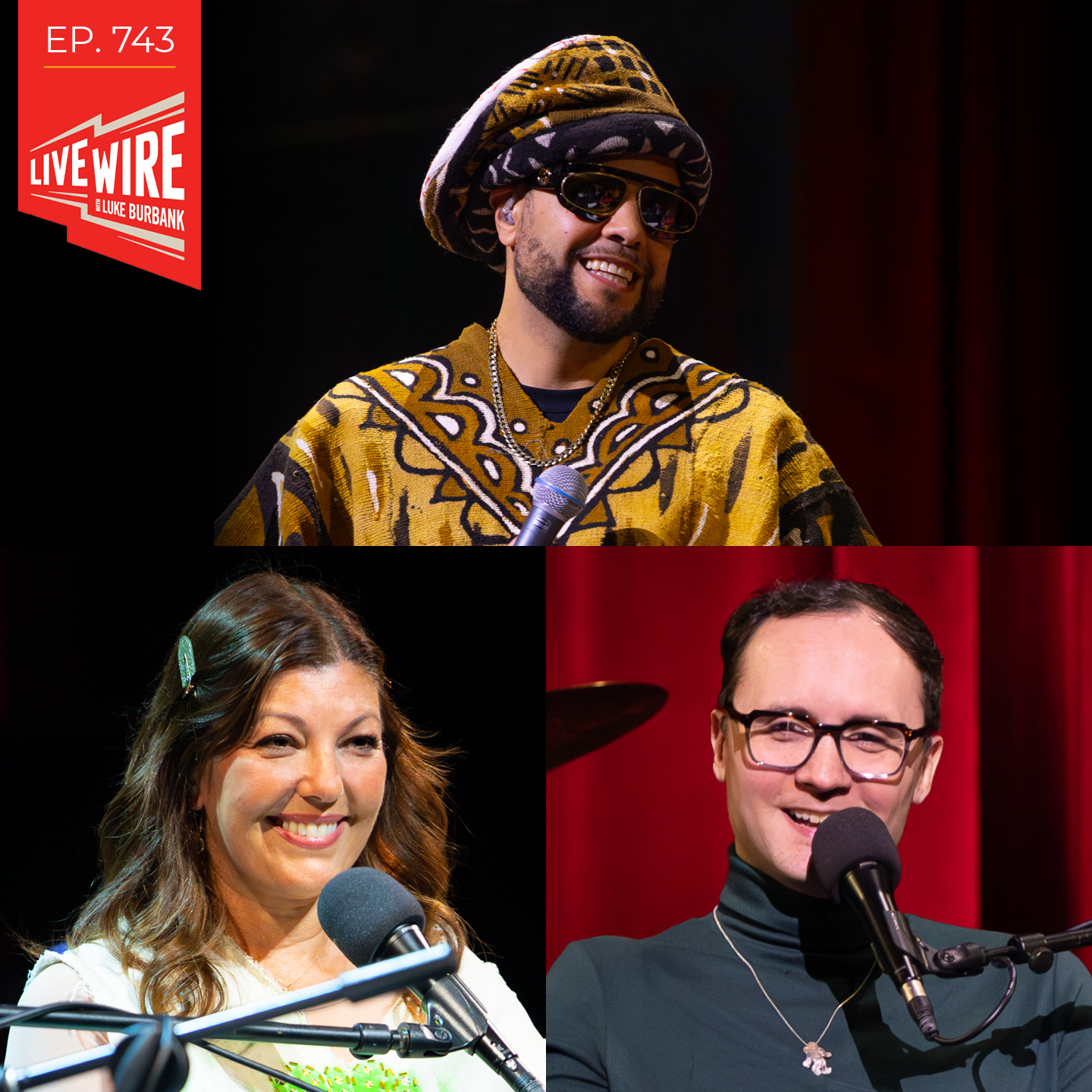
Doctor-turned-writer Mary Fariba Afsari recounts how she converted an RV into a women’s health clinic to provide services across the Pacific Northwest; comedy writer Joey Clift schools us from this book We've Been Here the Whole Time!: A Not So Sacred Guide to All Things Native America and busts some common misconceptions about his Indigenous roots; and jazz drummer Kassa Overall performs his rendition of Outkast's "SpottieOttieDopaliscious" off his latest album CREAM.
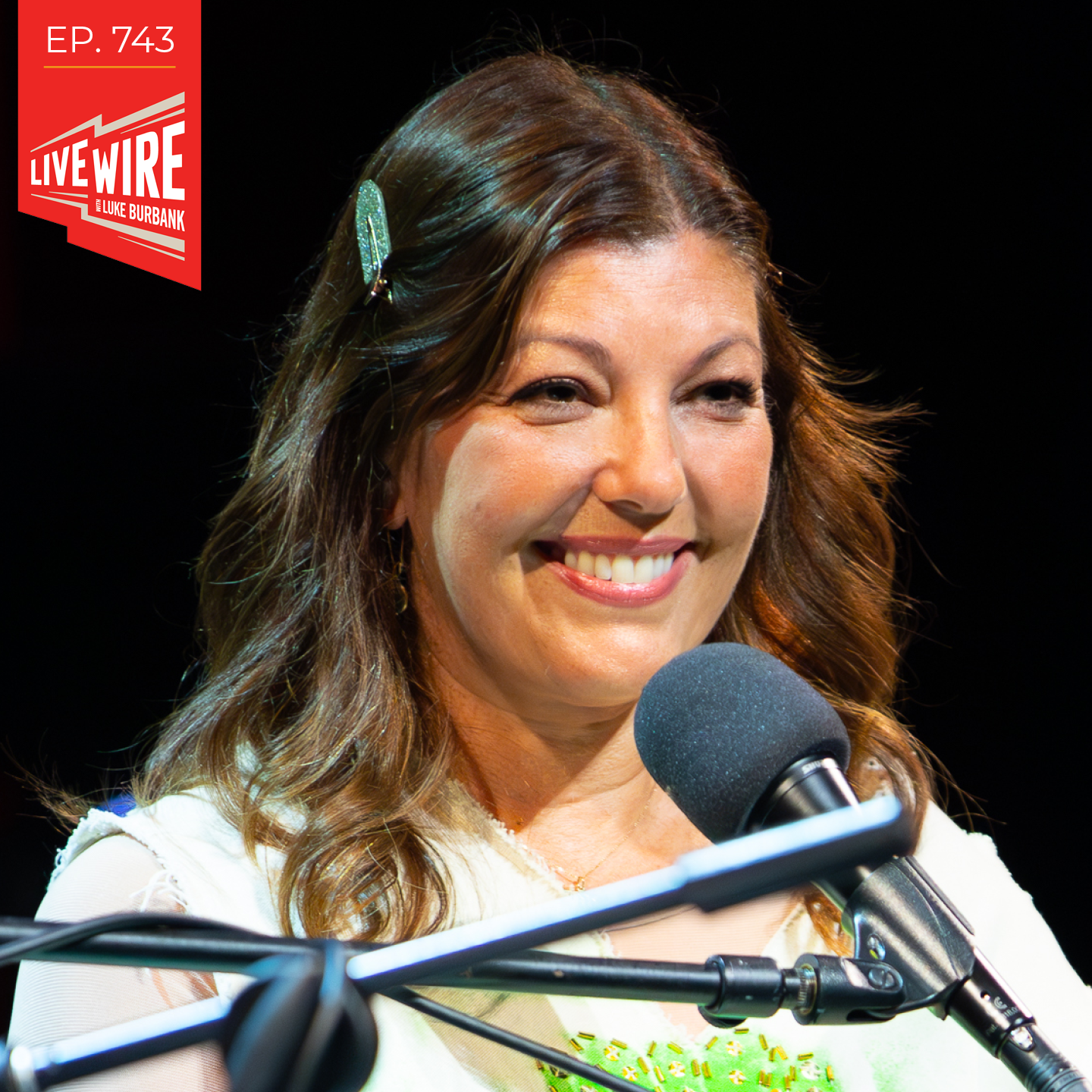
Mary Fariba Afsari
OB-GYN on a Mission
Mary Afsari-Howard, DO, is a board-certified OB/GYN on a mission to change how health care is offered to her favorite people—patients like you. She leads the expert team of clinicians at FemForward Health in Portland, Oregon. Dr. Mary is deeply concerned about the state of women’s healthcare in the country and is transforming 20 years of knowledge and experience into a model of care that is accessible, inviting, and inclusive. Dr. Mary is a graduate of the University of Connecticut School of Medicine OB/GYN Residency Program with a Masters in Health Communication from Tufts/Emerson. Dr. Mary moved to Portland in 2010 and was a partner at Gresham Women’s Healthcare, PC. She is a highly trained robotic and laparoscopic surgeon and cared extensively for high-risk pregnant populations. She is also an author, with her memoir Labor: One Woman’s Work being published by Simon and Schuster. Dr. Mary is now embarking on a journey to bring healthcare and reproductive justice directly into the neighborhoods and communities that need it most.
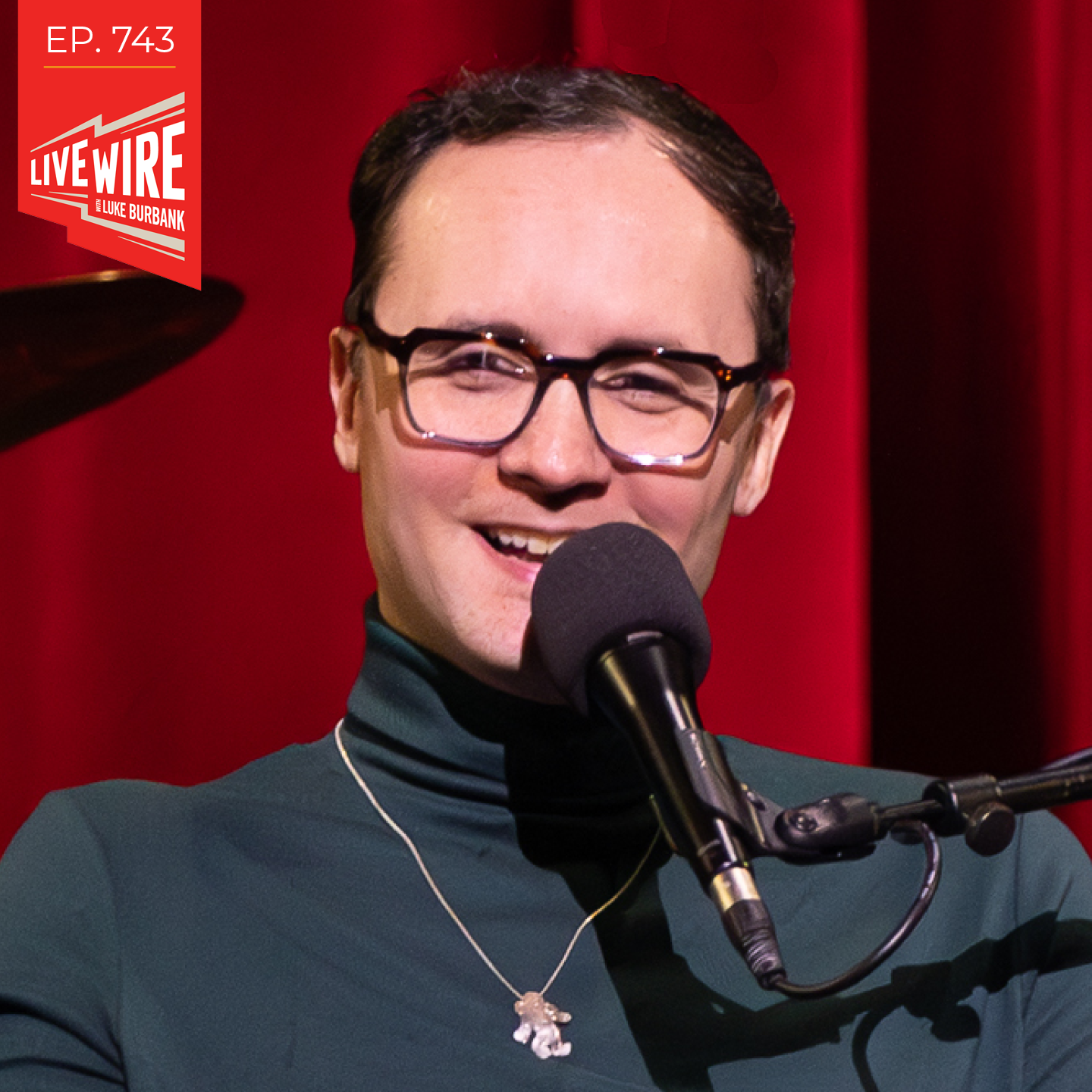
Joey Clift
Comedian and Writer
Joey Clift is a comedian, TV writer, director, Peabody and Emmy-nominated producer, and enrolled member of the Cowlitz Indian Tribe. Joey attended college to become a local TV weather person because he didn’t see any Native American comedians on television as a kid, and that made him believe he wasn’t allowed to work in comedy. He has since proven otherwise, writing for critically acclaimed TV series like Spirit Rangers on Netflix, Molly of Denali on PBS, and Paw Patrol on Nickelodeon. His debut book, We’ve Been Here the Whole Time!: A Not So Sacred Guide to All Things Native America, takes readers on a hilarious journey through a wide range of misconceptions, weird questions, and even weirder assumptions, covering everything from Pocahontas and sports mascots to ancestry claims and the Land Back movement.
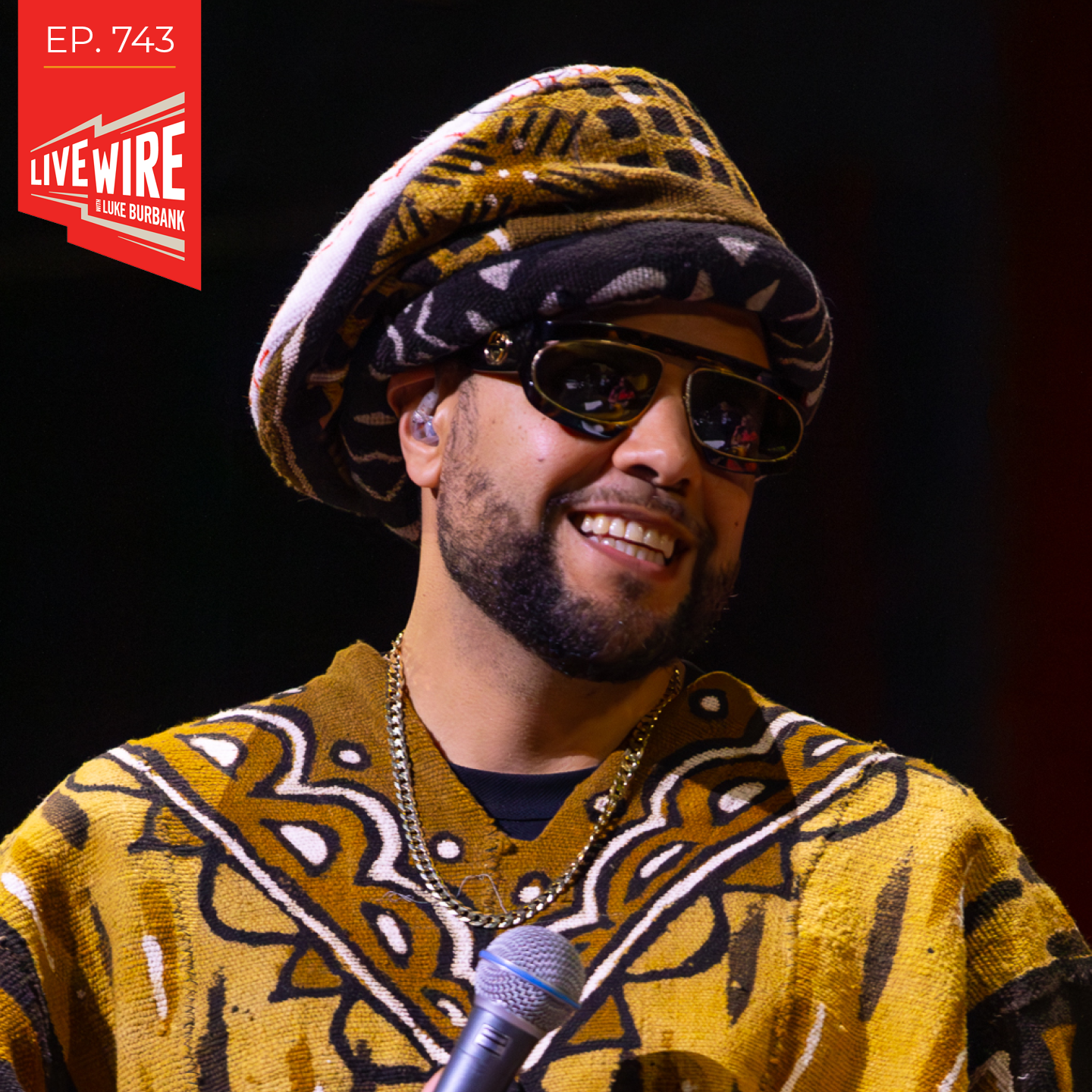
Kassa Overall
Grammy-Nominated Jazz Artist
Kassa Overall is a drummer, rapper, and producer redefining the boundaries of jazz. Raised in Seattle, he studied at the Oberlin Conservatory before touring with Jon Batiste, Vijay Iyer, and Gary Bartz, among others. On CREAM, his fourth solo album, he pays homage to the twin passions of his youth—hip-hop and jazz drums in the tradition of Elvin Jones—transforming beloved songs from the 90s and aughts into timeless standards that are rhythmically adventurous, witty, and often sublime. He has appeared on NPR's Tiny Desk Concert series, and his live performances have drawn praise from Gilles Peterson, Thom Yorke, and Iggy Pop. He is a 2025 recipient of the Doris Duke Foundation Prize.
Show Notes
Best News
Elena’s story: “61-year-old woman holds 5-hour plank — a new world record — at Huntsman World Senior Games”
Luke’s story: “Orphaned kittens meet sharks and stingrays on an aquarium field trip at the Mall of America”
Mary Fariba Afsari
Dr. Mary’s new book is Labor: One Woman’s Work.
She is also the founder of the full-service mobile health clinic, FemForward Health, serving communities in Oregon including Portland, Gresham, Sandy, Hillsboro, and Columbia County. You can donate to them here.
During the pandemic, Dr. Mary drove around in her Mini Cooper and brought COVID PCR testing to peoples’ front porches. After an inspiring visit to Camping World, her idea to turn an RV into a “clinic on wheels” was born.
Dr. Mary talks about how her work has changed since Roe v. Wade was overturned in the state of Oregon.
Joey Clift
Joey’s new book is We’ve Been Here the Whole Time!: A Not So Sacred Guide to All Things Native America.
Ilani Casino Resort is located on the Cowlitz Reservation in Ridgefield, Washington.
While not true for every federally recognized tribe in the US, Joey mentions that Native owned and operated casinos are able to exist because of a Supreme Court ruling from 1987: California v. Cabazon Band of Mission Indians—in which they decided the reservation’s economic self-sufficiency outweighed state regulatory interests.
Joey and Luke talk about the commercialization of dreamcatchers, objects that traditionally belong to Ojibwe or Lakota culture.
Joey describes the Land Back movement as “the movement to return Indigenous lands into the hands of Indigenous people.” He mentions a nonprofit called NDN Collective that does a lot of work for this movement.
As an example of land treaties, Joey mentions Mount Rushmore’s relation to the Sioux people.
Native culture has been poorly represented in pop culture—like in the movie Dances With Wolves (Joey cites a specific line narrated by Graham Greene) and the Twilight series.
Kassa Overall
Listen to Kassa’s new album, CREAM.
Kassa performs his creative twist on the song “SpottieOttieDopaliscious” by Outkast. His version is called “SPOTTIEOTTIEDOPALISCIOUS,” which is featured on CREAM.
-
Elena Passarello: From PRX, it's... [Live Wire!]
This week, doctor and activist Mary Fariba Afsari.
Mary Fariba Afsari: The minute I walked into an RV and I saw that there was running water, there was a toilet, there was a couch, um, and there was this back room that could be made private, the light bulb went off and I was like, "This is a clinic on wheels."
Elena Passarello: Comedian and writer Joey Clift.
Joey Clift: There are just so many, like, weird questions I've been asked by non-natives that really showed me there's a huge knowledge gap between what non-native people know about native people and what the truth is about native people.
Elena Passarello: With music from Kassa Overall, and our fabulous house band. I'm your announcer, Elena Passarello, and now the host of Live Wire, Luke Burbank!
Luke Burbank: My goodness gracious, thank you. What a crowd. Thanks, Elena Passarello. We have an absolutely packed show for you this week. It's gonna be really fun. Of course, we gotta start things off the way we always do, with a little segment we call The Best News We Heard All Week.
[Best News Theme plays]
The thing is, the news can be a little tough, and, uh, it can kinda get to you sometimes, and you like to be reminded that there is actually good stuff happening out there. That's why we present a couple of exactly those kinds of stories here at the top of the show. Elena, what is the best news you heard all week?
Elena Passarello: All right. I wanna tell you about my new favorite Canadian...
Luke Burbank: okay.
Elena Passarello: Her name is DonnaJean Wilde.
Luke Burbank: Okay.
Elena Passarello: She's a 61-year-old grandmother of 12. Oh. She lives in Alberta, Canada, and she just attended the World Senior Games last month in Utah, and beat a new record-
Luke Burbank: Okay ...
Elena Passarello: for holding a plank.
Luke Burbank: Okay.
Elena Passarello: How long can you hold a plank for, Luke Burbank?
Luke Burbank: Um, I think maybe I've done that for u- up to 12 seconds.
[Elena and audience laugh]
If that. If that.
Elena Passarello: When I do it, I try to sing the, um, Jeopardy! theme song, and I never make it all the way to the bom, bom. Uh, yeah. Yeah. So, less than that. Uh, well, Ms. DonnaJean Wilde held a plank for five hours.
Luke Burbank: What? [audience gasps]
Elena Passarello: Yeah.
Luke Burbank: Is that Canadian or US?
Elena Passarello: [Elena and audience laugh]
Well, it was in Utah. [Luke: Okay.] So I assume it's US hours. [Luke: Wow.] 3:00 PM to 8:00 PM, held the plank for so long, they had to have judges on a rotation.
Luke Burbank: The judges got tired before she did?
Elena Passarello: Yes. She is an incredibly strong-looking woman. If you're imagining, like, a sort of Mrs. Claus type, that is not this grandma. Um, she set the Guinness World Record for a woman holding a plank.
Um, the previous record was just four and a half hours, and it was set by DonnaJean Wilde of Alberta, Canada. [Luke: Wow...] She also holds the Guinness record for most pushups in an hour by a woman. [Luke: Ha!] Over 1,500.
Luke Burbank: Jeez.
[audience gasps]
Elena Passarello: And when she was training to hold this plank for five hours, she did so occasionally with her three-year-old grandchild on her back. [Elena laughs] She said about four hours and 40 minutes into the plank, "I think I'm gonna go down," is what she said to her husband. [Luke: Wow.] And then the whole crowd started going, "DonnaJean! DonnaJean! DonnaJean!" And they pushed her through the last five minutes so she could get to that five-hour mark. I wanna talk to you about some other things that you could do in five hours.
Luke Burbank: Okay.
Elena Passarello: Okay?
Luke Burbank: All right.
Elena Passarello: Um... A. The average American is on their phone for five hours a day.
Luke Burbank: Oh wow, yeah. [Elena: Yeah.] If they would let me scroll... I could probably do a plank for five hours.
Elena Passarello: I mean, I guess you could kinda do that with your nose, or if you had, like, a straw attached.
Luke Burbank: Just kinda like... Yeah, something.
Elena Passarello: Yeah. You could drive from here to the Canadian border in about five hours.
Luke Burbank: Okay.
Elena Passarello: You could make a cassoulet in about five hours.
Luke Burbank: A cassoulet is a what?
Elena Passarello: It's like a... like, a big, delicious French stew thing that takes- [Luke: Okay...] a long time to cook.
Luke Burbank: Oui, oui.
Elena Passarello: Or you could run an actual marathon, and I would honestly rather run a marathon than hold a plank for five hours.
Luke Burbank: Well, that is incredible and inspiring. [Elena: Yes.] DonnaJean?
Elena Passarello: DonnaJean Wilde of Alberta, Canada.
[audience applauds]
Luke Burbank: The best news that, uh, that I heard all week, uh, was happening out in the Twin Cities area. There's a- an organization called Bitty Kitty Brigade.
Elena Passarello: Oh. Sold.
Luke Burbank: Which... And if you're- if you're listening to this, uh, show, uh, maybe in the car, or you're at home, I'd say pull over or sit down, get a pack of tissues- because this is what the Bitty Kitty Brigade does. They are a rescue organization for orphaned neonatal kittens.
Elena Passarello: Oh, no... Little- those little tiny ones.
Luke Burbank: The, like- Yeah, like, probably can't even really see or anything, or just-
Elena Passarello: Yeah, their eyes are still squished shut.
Luke Burbank: They don't have a lot of the normal developmental things because of the fact that they didn't get to spend time with their mom. So, um, they had an idea, uh, recently of where to socialize. They took 24 of these little, uh, neonatal orphaned kittens to- [Elena laughs] the Sea Life Aquarium at the Mall of America? [Elena and audience laugh] Before, uh, the aquarium was open to the public.
Elena Passarello: And I bet these cats were probably a little older.
Luke Burbank: Yeah, yeah, yeah.
Elena Passarello: Like, they waited for them to get kind of fluffy and-
Luke Burbank: Yeah, yeah. They're- they're fluffy, and they can, they- [Elena: Mobile...] They can run. These are like, I don't know exactly what week they're at, but these are... just think of the cutest kittens you've ever seen in your life, and then imagine one staring at a mud shark... [Elena and audience laughs] that's four times as large as its body. Because they just turned them loose in this aquarium where they could just run around and explore. There's some kind of, like, 300-foot long tunnel of water- [Elena: Oh, yeah...] with sea life in it. By the way, some of these kittens include Bendy Wendy, Mouth Trap... [audience laughs] Funnel Cake, Apple Fries- There's a lot of a Minnesota State Fair...
Elena Passarello: Yeah, yeah. These babies were born in August, it sounds like.
Luke Burbank: Yeah. I think the one in this photo is actually named Turkey Leg.
Elena Passarello: Oh, no...
Luke Burbank: It's just, like, the cutest kitten you've ever seen in your life just, like, looking over at a clown fish. Like, it's real Finding Nemo energy, which I know that there aren't cats in Finding Nemo, but just seems like that. [Elena: Thank God.] Well, that's the thing. So, obviously, part of this, very smartly on behalf of this organization, was- these photos are going to be unbelievably cute. [Elena: Mm-hmm.] And it's going to let people know about Bitty Kitty Brigade, and it worked 'cause most of the cats have now been adopted out.
[Elena and audience cheer]
Uh, they also apparently do the same thing where they let a puppy rescue- [Elena: Aw...] turn their puppies loose in the aquarium, although they have now started having it on a different day than the kitten release- [audience laughs]
Elena Passarello: Yeah... Yeah...
Luke Burbank: Which is, I think, pretty smart. So.
Elena Passarello: Yeah, that's a lot of cleanup if you do both.
Luke Burbank: Yeah, exactly. So the Bitty Kitty Brigade getting their photo op at the, uh, at the aquarium at the Mall of America. And by the way, if you just are having a tough day, Google "orphaned kitty at the aquarium," and it's gonna turn your whole day around, I promise. So- [Elena: Yeah.] That right there. That's the best news I heard all week.
[audience applauds, Best News Theme plays]
All right, this is Live Wire from PRX. Let's get our first guest on out here. Uh, she is a board-certified OB-GYN from Portland who's on a personal mission to change how healthcare is offered. It's something she outlines in her fascinating book. It's titled Labor: One Woman's Work. It masterfully intertwines the complexities of her professional life with the hidden truths of her own family's past in Iran.
Please welcome Dr. Mary Fariba Afsari to Live Wire.
[House Band plays music]
Let's start at the beginning of this book, okay? It's, uh, it's around, uh, 2018, I think. What was going on for you, kind of, professionally and personally at this moment where you were really starting to kind of struggle with what was happening for you in your life?
Mary Fariba Afsari: I was, you know, turning 40-ish. I had young kids.
At that point, when you have started practicing as an OB-GYN, you've been in school for about 700 years. [Luke: Mm-hmm.] [Elena laughs] And so, you start to really look at your life and wonder, "Am I doing what I'm supposed to be doing right now with my life?" And it's a demanding career. [Luke: Yeah.] And it's a demand to balance that with your children- [Luke: Hmm.] and the expectations of doing a really good job for women's health.
Luke Burbank: Yeah. And also, it sounds like... just how broken our sort of medical system is for the people that need support and also the people that work within it.
Mary Fariba Afsari: Yes. I mean, I was working in East County here in Portland, and it's a mixed, diverse socioeconomic, um, population, and I was encountering patients who could not afford the gas to come to their appointments. [Luke: Hmm.] They were bringing three children on the bus in 105-degree weather in order to have a 10-minute OB appointment. And so, a few years into doing this, um, you start to ask yourself, "Am I really doing what's best for my patients by continuing to provide this standard of care?"
Luke Burbank: When was it that you, uh, started to think, "Oh, I actually want to become an OB-GYN"? Was it when you were a kid or maybe when you were thinking about medical school?
Mary Fariba Afsari: Yeah, I mean, it was a winding road to medical school, and I do kind of write about this in my book. I took some years. Um, I had a lot of pressure from my family to become a doctor, an immigrant family. It's a cliche, but it's true. And, um, so I took some time in my 20s, and then went back to medical school eventually, and thought that I was gonna work with children. But, I did do a rotation in Bolivia, and down there, I was really faced with what it means to be a mother without as much reproductive health access at that time. They've actually come quite a long way since 2005. But at that time, I was taking care of women who were coming with eight, 10, 12, 15 children in tow, and it sparked this interest in me around the idea that when mothers are taken care of, families are healthier, and children tend to thrive. And so, I did sort of flip my sort of focus at that point, and I, and I worked on women's health from then on.
Luke Burbank: I am glad to hear that Bolivia is making, uh, strides in the right direction because it doesn't seem to be like that's how it's going here in the United States- [Mary: Mm-hmm.] Uh, which we're gonna talk about more after we take a very short break. This is Live Wire from PRX. We are talking to OB-GYN and author Mary Fariba Afsari. Her book is Labor: One Woman's Work. We'll be back with much more in just a moment.
[House Band plays music]
Welcome back to Live Wire. I'm your host, Luke Burbank, here with Elena Passarello. We are talking to OB-GYN and author Dr. Mary Fariba Afsari about her book, Labor: One Woman's Work. We're at The Reser in Beaverton this week. Um, you write in the book about a patient named Amelia and how, um, your experience with her and her case really kind of almost broke you. It's a very, very intense story, but can you talk about that a little bit and- and what your experience was with that?
Mary Fariba Afsari: Yeah, absolutely. I would say that I sort of opened the book with the story of this one patient who came into my office one day, and it was a surprise for me, um, how young she was, and we don't talk exactly about her age, but you know, she had just started getting her menstrual periods and had skipped one. And when I walked in to greet her, I saw what appeared to me, uh, to be a child- [Luke: Mm.] who had a pretty obvious pregnancy. And I tell the story of taking care of her over the remainder of her pregnancy through her labor, and delivery, and a little bit of the aftercare. And the way I talk about being a young doctor, having these ideals about how you're going to save people's lives, and I say that it's like being a helium balloon at the beginning of the day, and then by the end of the day, it's kind of a little bit of a deflated version of that. Um, and that's sort of what that year felt like for me with Amelia. I wanted and believed that I could really help out this child who had become pregnant. Um, there was a lot of questions around, uh, the secrecy of the pregnancy, and there was only so much I actually could do. I mean, I could be her doctor. I tried to make sure that she got through her pregnancy and delivery safely. It was a little bit hairy at times. Um, but there was also a lot that was out of my control. I couldn't control a system- [Luke: Mm.] that had allowed this to happen to her, and I couldn't co- control a system that didn't have a safety net for her. Um, she went home with a, a baby.
Luke Burbank: Yeah. So y- you were trying to think about maybe a- a better way for you to- to serve this population of people, and people who couldn't even maybe get to your clinic. So, this all very naturally led you to the parking lot of a Camping World?
Mary Fariba Afsari: Exactly.
Luke Burbank: Uh, where you were buying an RV. Had you ever driven an RV before?
Mary Fariba Afsari: No. [Elena laughs] I had never been in an RV before. I'm a tent camper. We're Californians, and we're Oregonians, and we camp in tents. And so, um, I did have this idea that I knew that if I could take myself and this very small team that I work with, um, anywhere, if we could just get to rural communities, border communities, um, cities where gender-affirming care wasn't accessible, um, we could provide, you know, high-quality medical care. And I wasn't really sure how to do it, but I'll just tell you that during the pandemic, I looked around, and I was like, "There really are a lot of sprinter vans driving around, DoorDashing and delivering treats, and, you know, Nintendos to homes," but we couldn't get PCR testing in our homes. [Luke and Elena: Mm.] And so, I started driving my Mini Cooper around and doing COVID PCR testing on front porches. And then, that led me to Camping World because- [Luke laughs] the minute I walked into an RV, and I saw that there was running water, there was a toilet, there was a couch, um, and there was this back room that could be made private... the light bulb went off, and I was like, "This is a clinic on wheels." And, um, that was the beginning.
Luke Burbank: And this, uh, this is called FemForward Healthcare. This is the project. Would you call it a company, an organization? How do you think about it?
Mary Fariba Afsari: I call it a one-woman show... [Luke: Mm.] in some ways. Um, I call it a doctor with a dream in an RV. Yeah, so it's me, and I have a very small staff. I have a medical assistant, and I have a amazing administrative clerical person who does everything else. And so, we are a small organization. I decided that we were going to try to utilize insurance companies to help provide care for everybody. So, we run sometimes as a private practice where I'm able to bill insurance... Our insured patients then help pay it forward for folks that are either underinsured or uninsured, and so we see everybody. I'm credentialed with most of the insurance companies, but we also do Medicaid and Medicare, and we also do fee for service, sliding scale, walk in the door... Um, you know, we're a scrappy little operation. That's actually what I call us.
Luke Burbank: A scrappy little operation.
Mary Fariba Afsari: Yeah.
Elena Passarello: Nice.
Luke Burbank: Yeah. An SLO.
[audience cheers]
Elena Passarello: An SLO.
Luke Burbank: Um another, uh, thread in this book is, uh, this kind of remarkable fact that, uh, you did not realize until you were an adult that your first name wasn't always Mary?
Mary Fariba Afsari: Some- yeah. Some- something like that. I was named Fariba, which is now my middle name, and this is another kid of immigrants thing- [Luke: Mm-hmm.] where you get named a name that is from the country of origin, and my parents thought that we were moving back to Iran, so they came over here to finish some education, and like a lot of Iranians, they thought that we were gonna live out the rest of our lives in Iran. It was the mid to late '70s. You know, the revolution happened... [Luke: Mm-hmm.] and the hostage crisis, and anyways, my parents permanently moved back here. And Fariba Afsari, with what was happening on the news every night, was a hard name to, um, go through kindergarten with... and so they gave me the name Mary. It wasn't until I was an adult that I was told that my grandmother's name had been Mehri. [Luke: Right.] And I had been named for her. I just thought- [Elena: Mm...] my mom told me that they named me after the band Peter, Paul, and Mary. [Luke and Elena laugh] And it was a very popular band in the '70s.
Luke Burbank: Sure. So- so then, you started looking into the real story of- of this grandmother of yours, which, uh, is fascinating, and heartbreaking, and so related to the work that you do now. Can you talk about that?
Mary Fariba Afsari: Sure. Yeah, when I started to dig in- into my grandmother's story, what I knew is that she had been only 26 years old when she passed away. And she was pregnant with her fifth baby. Uh, my mother was only four when her mother died. So, my grandmother was just sort of this ethereal figure throughout my life that I knew very little about, but in my 30s, I'd become an OB-GYN, and I thought, I'm probably the person in the family to uncover how my grandmother actually died.
Luke Burbank: Yeah, I mean, and- and this was something that also had to do with, uh, you know, lack of access to reproductive health for her.
Mary Fariba Afsari: Yeah, I mean, one of the themes of my book that I write is when women don't have a choice, we know how their stories end. And my grandmother didn't have a choice, and it led to the way that her story ended.
Luke Burbank: Something else that kind of hangs over this book is, like, at the beginning of the book, Roe v. Wade is still the law of the land.
Mary Fariba Afsari: Yeah.
Luke Burbank: Um, I'm just wondering, as a person who works in this, in this space, uh, did you think there ever would be a day that Roe would not be the law of the land? Was it possible for you to- I mean, or maybe you saw it coming because of, uh, of how relevant it is to your work.
Mary Fariba Afsari: Yeah, I mean, those of us that work in the reproductive health world- First of all, we knew that even with Roe, there were a lot of women that didn't have access to reproductive healthcare, abortion care... We knew that- that was true around the country. And... if you paid attention to the way that the courts were being sort of, um... [Luke: Stacked...] reassigned, and stacked- if you wanna use that word, um, you could sort of predict what was gonna happen. I mean, you know, this was a very thought-through process.
Luke Burbank: Well, I mean, you practice in Oregon, which is, uh, you know, uh, one state in the Union, and we have sort of our own, uh, laws and- and interests here. But- from what you hear from your colleagues in other places, and- and even to the degree that it- it- it filters back to what your work is here, what has the difference been like now that Roe was overturned?
Mary Fariba Afsari: Oh, it's everything. Everything is different. I mean, it is thankful that in Oregon, you know, we can still practice the way that we practice. Um, I will just share that I still work at one of our hospitals, and in the last month, the number of women that have come in with obstetric and gynecologic emergencies, hemorrhaging from, um, pregnancy-related conditions, and we were able to save their lives, I mean, literally save their lives because we had OB-GYNs and a whole entire staff at the hospital that was prepared to greet that woman that came in the door. That is not the case now in many of the states that have overturned abortion rights because OB-GYNs have left those communities, and those hospital doors might be shutting down to labor and deliveries. And we get phone calls from our colleagues in other states, and some of them are real distress calls where they know what the right thing is to do... We've been trained to do the right thing. It is standard of care. There is no other specialty where they are walking into a hospital or an office and saying, "You can do those three procedures on the heart, but that one procedure- you can't do on the heart." [Elena: Mm-hmm.] There's no other- no other specialty where that's the case. And in doing that, we are having women in states who are losing their lives, and it is happening.
Luke Burbank: Mhm. Yeah. Uh, we're talking to Dr. Mary Fariba Afsari here on Live Wire this week. Uh, her book is Labor: One Woman's Work. Um, we've been talking about this, um, th- this healthcare project, FemForward, that you're doing, where you're taking this RV around, and you're providing healthcare to these people that might not have access to it otherwise, which sounds very inspirational... and we're all very, uh, impressed, and we laud you, doctor. But it sounds like the actual day-to-day operation of this RV is kind of a nightmare. [Mary laughs] There is like a lot more sewage removal- [Elena: Ooh...] than other doctors are doing, things like dealing with generators and stuff. I mean, you haven't taken a salary from this, yet? I mean, are there- is there a, like- have you- do you ever wonder if this was the right call? I mean, you had a pretty nice career going where you didn't have to suck out any of the sewage from an RV... [Elena laughs] as part of your day-to-day life. Wh- why are you still doing this, and why is it that important to you?
Mary Fariba Afsari: I mean, those are all true points. Um, I built this clinic as an example. I mean, maybe that's the little rebellious side in me, where I wanted to create a model of care to sort of prove a point that this can actually be done. [Luke: Mm.] And... we've proven it. So we're in our fourth year. We serve over 2,000 women in Oregon every single day. Our clinic is full of patients. It is a joyous little space to be in. Um, when people walk in, they feel safe, and I have to say that as a physician, almost 20 years into my practice, it's the most fun that I've had working as a doctor because... when you meet people where they are, they give back to you what they have to offer, right? And so, it's the most, like, meeting of humanity that I could possibly imagine. So, the question of why do I still do this, there's a lot of people asking me that question. Um, I think we persevere because in order to really bring about change, some people have to be willing to hook up that hose to the sewage- [Luke and Elena laugh] and put on purple gloves, that you also use to do Pap smears... and, you know, put it into a hole in the ground and empty out the tank.
Luke Burbank: Not the same pair of gloves. I want to be very clear. [Mary: Absolutely.] It's the style of gloves. [Elena: Yes.] These are different gloves. [Elena: Same brand.]
Mary Fariba Afsari: Yes. Do not contact my malpractice providers.
Luke Burbank: No. No. [Elena laughs] Everything is above board. Well, it's an incredible book, and the work you're doing is incredibly important. Um, Dr. Mary Fariba Afsari, thank you so much for coming on Live Wire. [Mary: Thank you.]
[House Band plays music]
[audience applauds]
That was Dr. Mary Fariba Afsari recorded live at the Patricia Reser Center for the Arts in Beaverton, Oregon. Her book, Labor: One Woman's Work, is available right now.
[transition music plays]
You are tuned in to Live Wire from PRX. I'm Luke Burbank, here with my pal, Elena Passarello. All right, our next guest attended college to become a TV weather person because he didn't see any Native American comedians on TV, which is what he really wanted to do. Eventually, though, he did find his way into comedy, thankfully, writing for a bunch of funny and critically acclaimed TV shows, and now he's got his debut book out. It's called We've Been Here the Whole Time!: A Not So Sacred Guide to All Things Native America, which takes readers on a really funny journey through a wide range of misconceptions, and weird questions, and even weirder assumptions about Native American history and life here in this country. Take a listen to Joey Clift, recorded live at the Alberta Rose Theatre in Portland, Oregon.
[House Band plays music]
[audience applauds]
Hello there, Joey.
Joey Clift: Uh, hey Luke, thanks so much for having me.
Luke Burbank: Uh, I- I'm- I'm curious. When did you get the idea to write this book, and also what are you hoping to accomplish with it exactly?
Joey Clift: So, um, I grew up on the Tulalip reservation, which is about 45 minutes north of Seattle. And growing up, like, in and around a lot of other Native folks, I thought that it was normal to have... I guess I would say, just like a base level education about, you know, Native history and Native people. And then, when I moved across the state to WSU, I learned how, uh, wrong I was and how rare that is. Because I was immediately asked questions by freshmen like, "Why do you get to vote in our elections?" [laughs]
Luke Burbank: Wow...
Joey Clift: Right? And he- and he- he did not say it, like, th- this was a freshman- he did not say it from a place of, like, curiosity. Uh, and you know, I've been asked questions like, uh, if I was born in a tepee, which I was born in Washington, so it would've been a long house. Also, I was born in the '80s, so it was a hospital, you know? Uh, like I've- My friends of mine and I have been asked questions like, if I have magic powers- which I don't, but my uncle does. Um, so... [audience laughs] Um, you know, there are just so many, like, weird questions I've been asked by non-Natives that really showed me that like there's a huge knowledge gap between what non-Native people know about Native people and what the truth is about Native people. And there was a really great research study that came out recently that showed that 87% of US schools don't teach Native history after 1900. [Luke: Hmm.] So, that really showed me, like, oh, it's like a systemic thing. It feels like there should be an attainable, easy-to-read book to get educated about this stuff.
Luke Burbank: Well, as I was reading it ,and I was kind of understanding the- what you're talking about, the premise that a lot of non-Natives don't have a particularly deep, uh, amount of knowledge about the topic, I thought, well, but I mean, I'm a public radio host. I'm pretty smart. And then, there was like four things immediately in the book- [Joey laughs] that I didn't know about. There is a- a chapter which is titled: What the Heck Do We Call You? [Joey laughs] Which, I was really interested to read your personal thoughts on the different ways that Native American folks, um, are- are sometimes, uh, referred to, and sometimes it's meant in good faith, but it's- it's the wrong word, or different people have different, I guess, interpretations of that. There was a couple of words on the list that were just plainly, and on their face, racist and horrible, which I won't read. But... how do you feel about the term Indian?
Joey Clift: Uh, so the term Indian, uh, it's a weird term because, uh... we're not from India. [laughs]
Luke Burbank: Mm-hmm. Yeah.
Joey Clift: Like, it- it is actually a little bit annoying that that's such a common term because there- there's a food that, um, you can eat at a lot of tribal events called an Indian taco, and it's this, like, delicious, uh, essentially, like, a taco in dough. And whenever I'm trying to Google, like, Indian taco restaurants in a place that I'm visiting, I immediately get recipes for tikka masala. And it's like- [audience laughs] Look, I love tikka masala, but not what I'm looking for. Um, so I- I think that that is one of the things that, uh, you know, was a goal of mine in this book, is there are things like that where it's sort of like, okay, Indian is what we were referred to in the, like, Declaration of Independence. We're referred to as, like, merciless Indian savages, which is, once again, uh... that is the Founding Fathers' words, not mine. Um, you know, it extends to official government documents, like the Bureau of Indian Affairs, the sort of- the organization in the US government that oversees tribes. Uh, like my tribal ID refers to it- Uh, my tribe is the Cowlitz Indian Tribe. So, I think that is something that is, uh, like, an official government distinction, but it's not something that I would say most Native folks refer to themselves as. Um, I think that Native has kind of become the more colloquial term. But what's tough about that is that if I say, "Oh, I'm Native," and I'm in Los Angeles, there are a lot of other people that will say, "Oh, I'm native, too. I was born in Burbank," or something. [Luke: Uh-huh.] And it's like- [Luke: Right.] No, that's a different kind of native, you know?
Luke Burbank: Yeah. It's a little vague, maybe- [Joey: Right. Right.] or something. How about American Indian?
Joey Clift: Uh, American Indian.. So American Indian, uh... I, uh- also am not a big fan of because, like, that defines us as kind of our relationship to America. [Luke: Right.] Which is problematic for, like, a couple reasons.
Luke Burbank: Yeah, I can think of some.
Joey Clift: Yeah, yeah.
Luke Burbank: Uh, we're talking to Joey Clift about his new book, We've Been Here the Whole Time!: A Not So Sacred Guide to All Things Native America. Um, I have to be honest with you, when I picked up this book, I did not expect for it to feature essentially a series of ads for one of my most visited place in the Pacific Northwest... the Ilani Casino.
[Joey and Elena laugh]
This is... They should sell this. If they don't sell it at Ilani, they should, because it is a huge ad for that project out there in Southern Washington.
Joey Clift: Yeah. Uh, I literally... I literally just dropped off, uh, 30 copies of the book at our gift shop today- [Luke: Okay, good, good!] which I'm very excited about. Yeah- not only does it, uh, mention Ilani a lot in this book, there's literally a map of how to get to Ilani in the book from Portland. [Elena and audience laugh] It's like- it's just an easy 20-minute drive. Something that I- One of the things that I really love about that is, um, you know, I'm very proud of my tribe's casino. It opened in 2017. Um, and I reference Ilani a lot in this book when I'm talking about, like, you know, tribal capitalism and the benefits the trib- the casinos have on, um, different, you know, tribal reservations and stuff like that. Um, but I reference it so many times that most of my reviews of this book that I've gotten on Goodreads have been, like, five stars, glowing reviews... But then, I've gotten a couple of four-star reviews that have said, "I would've given it five stars, but this basically feels like it's a promotional brochure for this guy's casino." [Elena laughs] Which, I will happily take that dock if it convinces people to eat at our delicious steakhouse. [Elena: Wow...]
Luke Burbank: But- which has been recently rebranded. It's called Sovereign now. Just for people scoring at home.
Joey Clift: Yeah, it's delicious. I just ate there yesterday.
Luke Burbank: But- but, like, in all seriousness, I think there are a lot of people that if they're driving down the freeway and they see a casino, whether it's Ilani or somewhere else in America, a tribal casino, they get one kind of feeling about it. But in talking to you backstage, and also just in reading the book, I was really- it's interesting to me what an important economic driver it can be, and also the way that maybe the people who are running the casino feel about it versus the perception that some other people might have about it.
Joey Clift: So, uh, first off, I... Something a- a misconception that I really wanted to clear up in the book is that every tribe does not have a casino. There's, like, 570-plus federally recognized tribes in the United States, and most tribes don't have casinos. Like, my tribe having a casino... that's, um, you know, uh, so close to, uh, you know, a big city like Portland- definitely puts us in, like, a top 1% situation. So they are, like, fairly rare when it comes to tribal communities. But, um, casinos are just, like, such a great benefit to, you know, tribes and also the surrounding communities. Like, my tribe's casino opened in 2017. The first tribal casino was opened in, like, the 1980s, so they're also, like, fairly new... Um, and, um, you know, they're not something that the US government is just handing out to tribes. It's like- we- we can have casinos because of, like, a Supreme Court ruling in the '80s. And my tribe personally, you know, we worked for, you know, decades to get our casino built. And- Because our casino's fairly new, I've really seen the benefits that it's had for my community, in that, um, you know, because of our casino, we have resources to pay for, like, language programs. Like, you can literally, uh, on your iPhone, go to the App Store and download, like, a Cowlitz language app to, um, you know, keep our language alive, and that's because we have a casino that allows us to afford things like that. We also employ, like, over 1,000 people in Clark County. We, um, we just bought, like, a firetruck and an ambulance for, I think, the town of La Center. Um, and the, the money that our casinos are earning are also helping us, um, you know, afford things like, you know, healthcare for tribal members. And we- we literally- we actually just bought a, um, like a health clinic, I think in Vancouver, that's, like, serving the Vancouver community. So, like, not only are tribal casinos, like, uh, you know, great culturally because it really shows people that we're still here and we're economically thriving, but it also, like, in a real way helps the community while also giving you a pretty good deal on a steak. [laughs]
Luke Burbank: Yeah. [Elena: Yeah.] One- one other thing in the book that jumped out at me was a- a- a chapter, 20 Things to Ask Native Folks About Instead of "How Do You Feel About Thanksgiving?" Um, which is a long list of, just, normal things you ask any of your normal friends.
Joey Clift: Yeah, it's like cars, pro wrestling... Like, yeah. [laughs]
Luke Burbank: But I guess I was wondering about the larger question of, like, as a non-Native person myself, what is a way, and again, you can only speak for yourself, Joey Clift, but, like- What's a way for people who want to get information about your lived experience or your sense of being Native American in this country, how- What's a way that folks can ask questions, uh, that doesn't just feel annoying or disrespectful? Or- and maybe the answer is don't. I don't know. What do you- How, how- What do you think about that?
Joey Clift: Yeah, for sure. I mean, it's- it's difficult because, like, I- I know that... I know that Native people are cool... I know that we're great. I know that people wanna learn more about us, and I- I know that, you know, our education system has, you know, in large part failed us in educating people about Native issues. But it is a lot of pressure to put on, like, the Native coworker that you have to have them explain 500 years of history to you, you know? [Luke: Yeah.] Uh, it's a lot of work. It's very exhausting. And that- that honestly is one of the reasons that I wrote this book, is because I and a lot of my friends have been asked just constant questions about, like, "How do you feel about the Atlanta Braves? How do you feel about Thanksgiving?" Um, you know, "Is Thanksgiving weird for you?" So, um, a big goal of this book was to give, um, Native folks an easy education source to give non-Natives to get more educated about this stuff. And there's a joke I'm really proud of in the book where one of the last pages is an Indian 101 Diploma. [laughs]
[audience laughs]
So, you can sign it. That tells you- you've got a base level knowledge about Native issues, so you don't have to ask your, like, your Native friend that you went to high school with to do a land acknowledgement for you. It's weird when people do that, and it happens a lot.
Luke Burbank: Uh, we're talking to Joey Clift about his book. It's "We've Been Here the Whole Time!: A Not So Sacred Guide to All Things, uh, Native America." Um, you also have a- a chapter in the book- Well, it's- I don't know if I'd call it a chapter. You have a page in the book, um, which is, uh, somebody asking, "If I own a dreamcatcher, do I suck?"
[everyone laughs]
Joey Clift: Uh-
Luke Burbank: What is the, uh- if, uh- if somebody who's non-Native owns a dreamcatcher, do they, Joey Clift, suck?
Joey Clift: Uh, okay. So, uh, the- the inspiration for that chapter is- I've gotten a lot of DMs at, like, 2:00 in the morning from comedians in Los Angeles asking me that exact question, or, like, "Can I get a dreamcatcher tattoo?" And I'm like, "Yo, I'm Cowlitz. That's, like, a Lakota or, like, Ojibwe thing. That's the other side of the country. Why are you asking me?" [Elena laughs] But, um, if you buy a dreamcatcher from a gas station, and- [audience laughs] like, you know, it was, like, made in a- a country that's not America... Like, yeah, you're kind of, like, helping a n- a non-Native person profit off of- [Luke: Mm...] Native culture in a way that kinda sucks. Um, you know, if you buy a dreamcatcher from a Native person, uh, you suck, like, a lot less because, like, a Native person, you- you know, is profiting off of the art of that. Um, you know, if you buy a dreamcatcher from Ojibwe, Lakota person, 'cause their tribes kind of originated that, then, you're, like, completely in the clear. Um, but- you know, if you buy a dreamcatcher from a- a Native person who's not Lakota, like, nobody's gonna judge you for it. One thing I will say to that: It's insane to me how many people have dreamcatchers in their rear view mirror of their car.
Luke Burbank: Mm-hmm.
Joey Clift: 'Cause it's like, what, are you sleeping while driving?
Luke Burbank: If they're in a Tesla, it's very possible.
Joey Clift: Yeah, for sure. For sure. Yeah, yeah.
[Elena and audience laugh]
Luke Burbank: Uh, something else you talk about in the book is the Land Back movement.
Joey Clift: Yeah.
Luke Burbank: Um, can you kinda unpack that for us a little bit?
Joey Clift: Uh, the Land Back movement is, um, that to me is like a little bit more of a nuanced conversation about, um, like, sort of what, uh- Native activism is right now, and it's exactly what it sounds like. It's the movement to return i- Indigenous lands into the hands of Indigenous people. And there's a really great nonprofit called NDN Collective, spelled N-D-N Collective, that, um, is doing a lot of work around that. And, um, uh- I just wanna say, first off, the Land Back movement does not mean kicking you out of your home. That's- that's- that's not what it is. There may be some agro-Natives that believe that, but for the most part, it's not that. Um, it's this idea of giving people, give- giving Native people, um, uh- you know, ownership, or at the very least, say over what happens in their lands. So, for my tribe, for example, our Aboriginal territory is like, you know, kind of this region. If somebody wants to, um, you know, build a- a big massive public works project, um, the Cowlitz tribe should be able to have a seat at the table in having those conversations. It is also allowing us to, um, you know- uh, profit from our lands in the way of like building, you know, a casino in southern Washington, just 20 minutes north of Portland. A very convenient, nice drive. [Luke and audience laugh] There's a steak restaurant there, it's very good. Uh, it's called Ilani, you should go there. Um, you know-
Luke Burbank: I'd like to welcome new Live Wire underwriter, [Joey laughs] Ilani Casino. [Elena: Ay...]
Joey Clift: Um... So, you know, part of it is that, which allows us to, you know, as I mentioned earlier, you know, directly benefit the tribe, our culture, as well as the community. Um, and it is also just like in a lot of cases, legally the right thing to do. I mean, a lot of these lands were promised to us in our treaties with the- [Luke: Mm-hmm.] US government. Which, um, you know, in a lot of cases, the US government, you know, kind of ignores. Like, looking at Mount Rushmore as an example, where... that was promised to the Sioux people in, you know, the 1800s. And, uh, it was promised to the Sioux people until General Custer found gold there, and the US government was like, "Maybe... May- maybe never mind on that treaty..." [Elena: Hm.] And then, the US govern- and then, the Sioux people sued the US government in, um, I wanna say it was the, uh... the- the early 2000s, or it was a couple years ago. And the US government acknowledged their fault and gave the Sioux people 60 million dollars for it. But then, the Sioux people refused that money 'cause they were like, "The land was never for sale."
Luke Burbank: Yeah.
Joey Clift: Uh, so yeah.
Luke Burbank: I've always found that, you know, growing up in Washington State where there's a lot of conversation about, like, fishing rights and things- [Joey: Yeah, yeah, yeah.] 'cause of the extended treaties, people, uh, non-Native people being, like, so mad about whatever the rules are around what Native folks are allowed to do, and I always wanna say, "Talk to your white ancestors about the deal that they signed," 'cause this is a treaty. [Joey: Yeah.] This is a legally binding thing that happened between two groups of people. If you don't like the terms, you should be mad at your ancestors who presented this.
Joey Clift: Well, that- that- that's another thing that I should say, too. Thanks so much for bringing that up. Is, like, a treaty, it's- it's like a legally binding contract. Like, if- if a tribe gets fishing rights, that is essentially the rent the US government is paying for the land. It's like, it's- think of it as a lease agreement.
Luke Burbank: Mm-hmm. Yeah. Um, there's one thing at the end of the book, too, that I hadn't thought about this way, but you sort of talk about an issue around how we non-Native folks tend to think about Native Americans, is that... your lived experience is all in the past. It's like in the history books. Like, the story of Native Americans is a story from history, not a story of something that's happening right now, in this year. I'm wondering w- what are some of the things that you would like to see change, um, for Native American people in the current that would make their lives more livable and more fair and more just?
Joey Clift: I definitely wanna throw a lot of blame at, uh, the movie, I think, Dances With Wolves- [Luke: Okay...] [audience laughs] which ends with- it ends with Graham Greene, like, essentially doing a- a voiceover at the end that's just like, "And the Native people disappeared into the mountains and were never seen again." Respect to Graham Greene, but, like, I think that- that, up until fairly recently, was just sort of the- you know, general consensus in popular culture of, you know, Native folks, of we... only exist as, like, sepia tone photos and also the name of your Jeep maybe, if you own a Jeep Cherokee. [Elena laughs] [Luke: Right.] And, um, I guess that, to me, one of the most important things that people can know about Native people is just, like I said, that we're still here, that we're a flourishing people. We're not just still existing, we're thriving in a lot of cases. There are a lot of really fantastic, you know, Native artists, Nat- Native authors, Native comedians doing really great work out there. And, um, I think it's so important to start there because, uh, it's something that I say a lot in the book. You know, there are complex issues happening in Indian country, like, the- the Navajo Nation, in a lot of cases, doesn't have running water, so there are people that live on the Navajo Nation, which is like- it's like New Mexico, Arizona, and then I think parts of, I wanna say, Utah or Colorado... and it's this huge swath of land that's, like, over 100,000 square miles. It's basically the state of Wyoming, and there are people that live on the Navajo Nation that have to travel, I think, like, 100 miles one-way each day to get, like, water for their villages. [Luke: Yeah.] And that's, like, in the United States. So, it's- it's difficult to have conversations about that when where we're starting from is: "Can you turn into a werewolf like in the Twilight movies?"
Luke Burbank: Right. Right.
Joey Clift: So, a lot of my goal with this book is to, like, make that information accessible and get sort of all the basic stuff out of the way, so we can have those more nuanced conversations about things like the Land Back movement, tribal casinos, um, you know- the murdered and m- missing Indigenous women epidemic, um, you know- the effects of boarding schools, and things like that. [Luke: Mm-hmm.] Like, let's get... like, right now, the bar is, like, truly in the basement. I'm just trying to raise it, like, an inch above, so people can more easily step over it.
Luke Burbank: Well, I think this book does a lot more than that. It's a really great read. It's, uh, "We've Been Here the Whole Time!" It's Joey Clift's new book. Joey, thank you so much for coming on Live Wire.
[audience applauds]
Joey Clift: Thanks so much for having me, everybody.
[House Band plays music]
Luke Burbank: That was Joey Clift, recorded live at the Alberta Rose Theatre in Portland, Oregon. You can get his book, "We've Been Here the Whole Time!: A Not So Sacred Guide to All Things Native America," wherever you get your books. You're tuned in to Live Wire, and we've gotta take a very quick break, but don't go anywhere. When we come back, we are gonna hear some incredible music from jazz drummer, Kassa Overall, playing some OutKast like you have never heard it before. So stick around, Ms. Jackson, we got more Live Wire coming your way just after this.
[transition music plays]
Welcome back to Live Wire from PRX. I'm your host, Luke Burbank, here with Elena Passarello. Okay, before we get to our musical performance from Kassa Overall, a little preview of what we are doing on the program next week. We're gonna be hanging out with, uh, humorist, author, and noted Maine enthusiast- that is, as in the state of Maine- John Hodgman. John is gonna do what he always does, which is... he's gonna hold forth on a range of weird topics. Um, you know- cheese mongering, Moby Dick, the typical stuff. Uh, and I promise it will be fascinating 'cause it always is with John. Then, we have some really incredible music from the one and only China Forbes from the world famous genre-defying group, Pink Martini, which she's actually on hiatus from right now, which she will explain the reasons for, all next week... when you tune on in for Live Wire. Because you're gonna do that, right? Okay, good. Now, onward. This week's musical guest is a drummer, rapper, and producer hailing from Seattle, who's toured with the likes of Jon Batiste. His fourth solo album is CREAM, and in it, he pays homage to, like, the two kind of passions of his youth: hip hop and jazz drums, particularly in the, uh, tradition of Elvin Jones. He transforms these songs, these beloved '90s and aughts bangers, into a whole new piece of art. They're rhythmically adventurous. They're witty, often sublime. Uh, he's appeared on NPR's Tiny Desk Concert series, and he's a recipient of the Doris Duke Foundation Prize. This is Kassa Overall, recorded live at the Alberta Rose Theatre in Portland, Oregon.
Check it out.
[audience applauds]
Is there anything, um, Kassa, that you wanna tell us about, uh, what we're about to hear? For some context?
Kassa Overall: This will be, uh, SpottieOttieDopaliscious by, uh- [audience screams] OutKast. [laughs] Yeah... And, uh, see if you can figure out the odd time signatures we're putting over the melody.
Luke Burbank: All right. This is Kassa Overall on Live Wire.
[Kassa Overall performs his version of OutKast’s " SpottieOttieDopaliscious" from his new album "CREAM."]
Luke Burbank: That was Kassa Overall recorded live at the Alberta Rose Theatre in Portland, Oregon. His album CREAM is out and available right now.
All right, that is gonna do it for this week's episode of Live Wire. A huge thanks to our guests Mary Fariba Afsari, Joey Clift, and Kassa Overall.
Elena Passarello: Laura Hadden is our executive producer, Tim Harkins is our executive director, and our producer and editor is Melanie Sevcenko. Eben Hoffer is our technical director. Tré Hester is our assistant editor, and Ashley Park is our marketing manager.
Luke Burbank: Our house sound is by D. Neil Blake, and our house band is Sam Pinkerton, Ayal Alves, Ethan Fox Tucker, Rachel Brashear, and A. Walker Spring, who also composes our music. This episode was mixed by Eben Hoffer and Tré Hester.
Elena Passarello: Additional funding provided by the Oregon Arts Commission, a state agency funded by the State of Oregon and the National Endowment for the Arts. Live Wire was created by Robyn Tenenbaum and Kate Sokoloff.
Luke Burbank: This week, we'd like to thank members Terry Currier of Portland, Oregon, and Susan Garell of Laguna Beach, California.
For more information about our show or how you can listen to our podcast, head on over to livewireradio.org. I'm Luke Burbank. For Elena Passarello and the whole Live Wire team, thank you for listening, and we'll see you next week!
PRX.
Staff Credits
Laura Hadden is our Executive Producer, Tim Harkins is our Executive Director, and our Producer and Editor is Melanie Sevcenko. Eben Hoffer is our Technical Director, Tré Hester is our Assistant Editor, and Ashley Park is our Marketing Manager. Our house sound is by D. Neil Blake. Our house band is Sam Pinkerton, Ayal Alves, Ethan Fox Tucker, Rachel Brashear, and A. Walker Spring, who also composes our music. This episode was mixed by Eben Hoffer and Tré Hester. Additional funding provided by the Oregon Arts Commission, a state agency funded by the State of Oregon and the National Endowment for the Arts. Live Wire was created by Robyn Tenenbaum and Kate Sokoloff. Special thanks this episode to Live Wire members Terry Currier of Portland, OR and Susan Garell of Laguna Beach, CA.
