Chuck Klosterman, Alicia J. Rose & Gilly Ann Hanner, and Ages and Ages
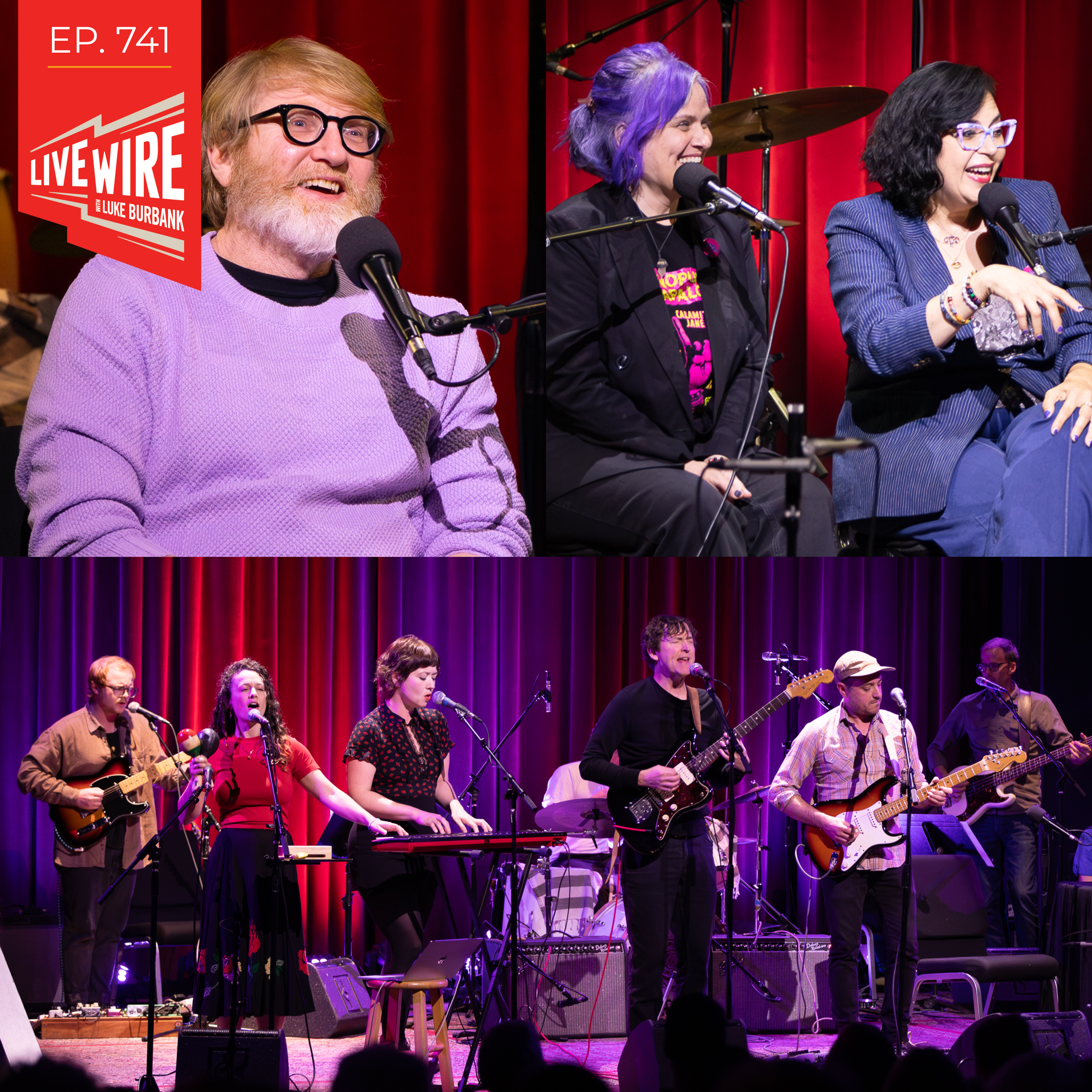
In his latest book Rock*, writer and culture critic Chuck Klosterman takes us through an alternate reality of music history, where The Velvet Underground were the biggest band in the world while The Beatles faded into obscurity; musicians Alicia J. Rose and Gilly Ann Hanner chat about Menopunks, a movement and documentary project they've launched to de-stigmatize menopause and get women the healthcare they deserve; and indie rock group Ages and Ages perform "Wild Ride" from their latest album Fine Thanks and You.
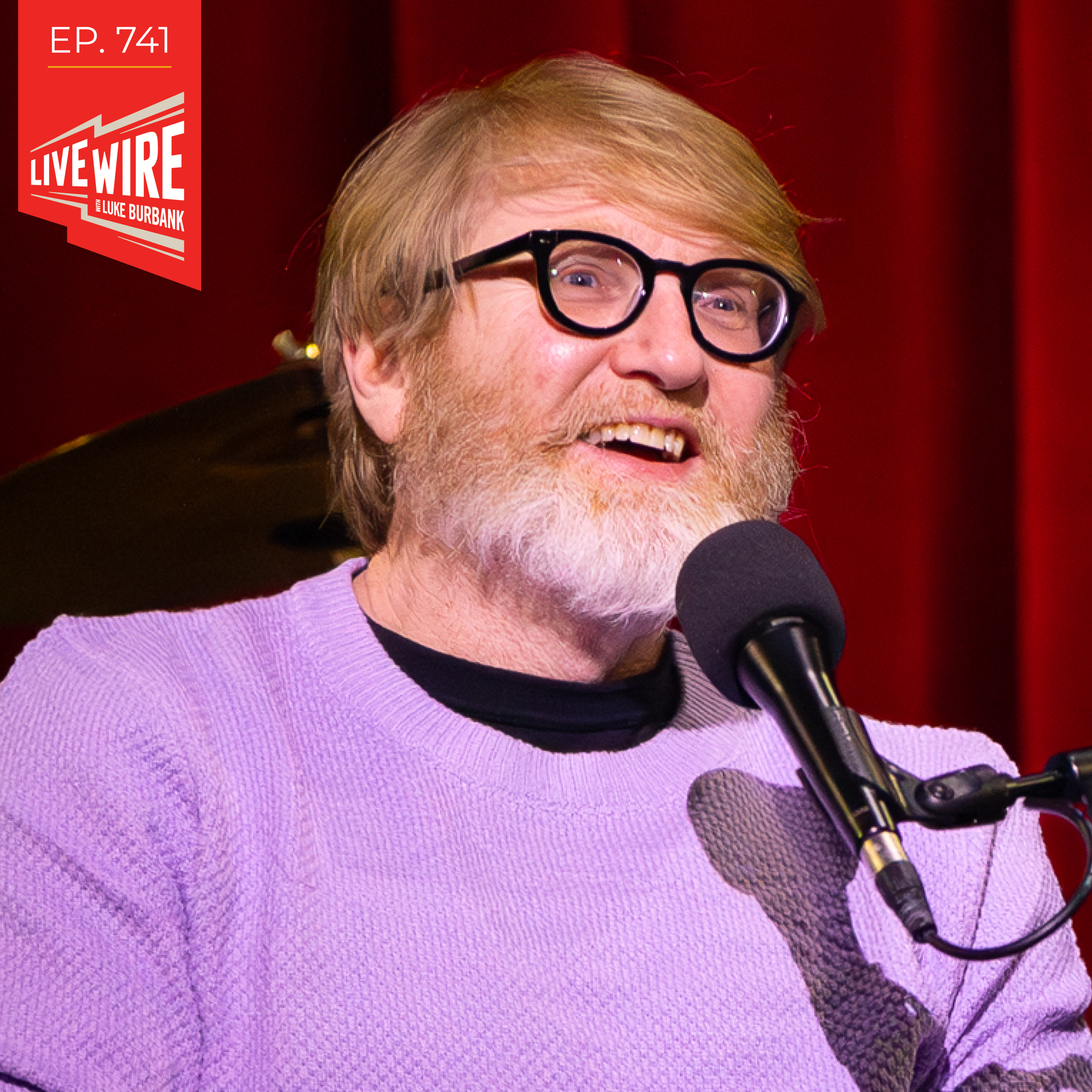
Chuck Klosterman
Pop Culture Essayist and Author
Chuck Klosterman is the bestselling author of ten nonfiction books (including The Nineties; But What If We’re Wrong?; and Sex, Drugs, and Cocoa Puffs), two novels, and a short story collection. He has written for The New York Times, The Washington Post, GQ, Esquire, Spin, The Guardian, The Believer, and ESPN. Klosterman served as the Ethicist for The New York Times Magazine for three years and was a founder of the website Grantland with Bill Simmons. His latest book, Rock*: A Mainstream Alternative History of Alternative Mainstream Music, rewrites the history of reality in an “ingenious” (Kirkus Reviews) work of speculative fiction based on a question that has never been considered or (in all likelihood) even asked: What if The Beatles had only developed a cult following while the Velvet Underground emerged as the most popular band in the world?
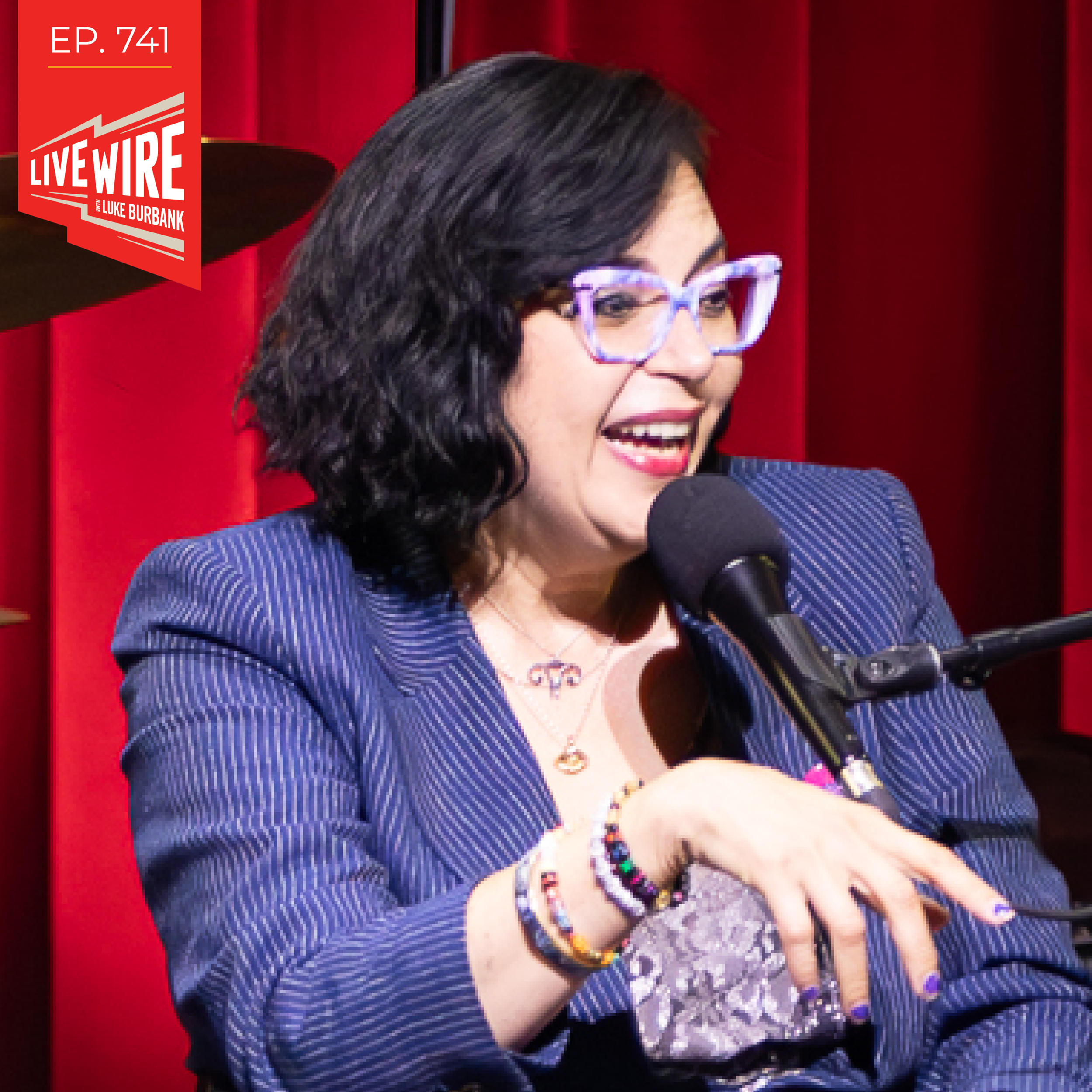
Alicia J. Rose
Founder of Menopunks
Alicia J. Rose is an award-winning filmmaker, photographer, and the founder of Menopunks, a project confronting the silence and misinformation around perimenopause and menopause. It began when she was blindsided by her own symptoms and discovered friends were going through the same thing largely unsupported by the medical system. That experience grew into the Menopunks podcast, which she hosts, a documentary she's directing (featuring conversations with Pat Benatar, Neko Case, Alice Bag, Peaches, and Portland-area musicians and physicians), and Menopunkapalooza, the music festival and resource fair she founded. The June 2026 festival drew 750 people to Portland's Crystal Ballroom and McMenamins Mission Theater over two days for performances, panels, and a documentary preview, including a rare reunion set from riot grrrl pioneers Calamity Jane. Before the rise of Menopunks, she directed over three dozen music videos for artists including First Aid Kit, Cake, and Bob Mould, and handled visual branding for bands like The Decemberists. She's also currently helming the episodic Girls in Trouble: The Series. Her earlier work includes the acclaimed web series The Benefits of Gusbandry and her award-winning debut feature, A Kaddish For Bernie Madoff.
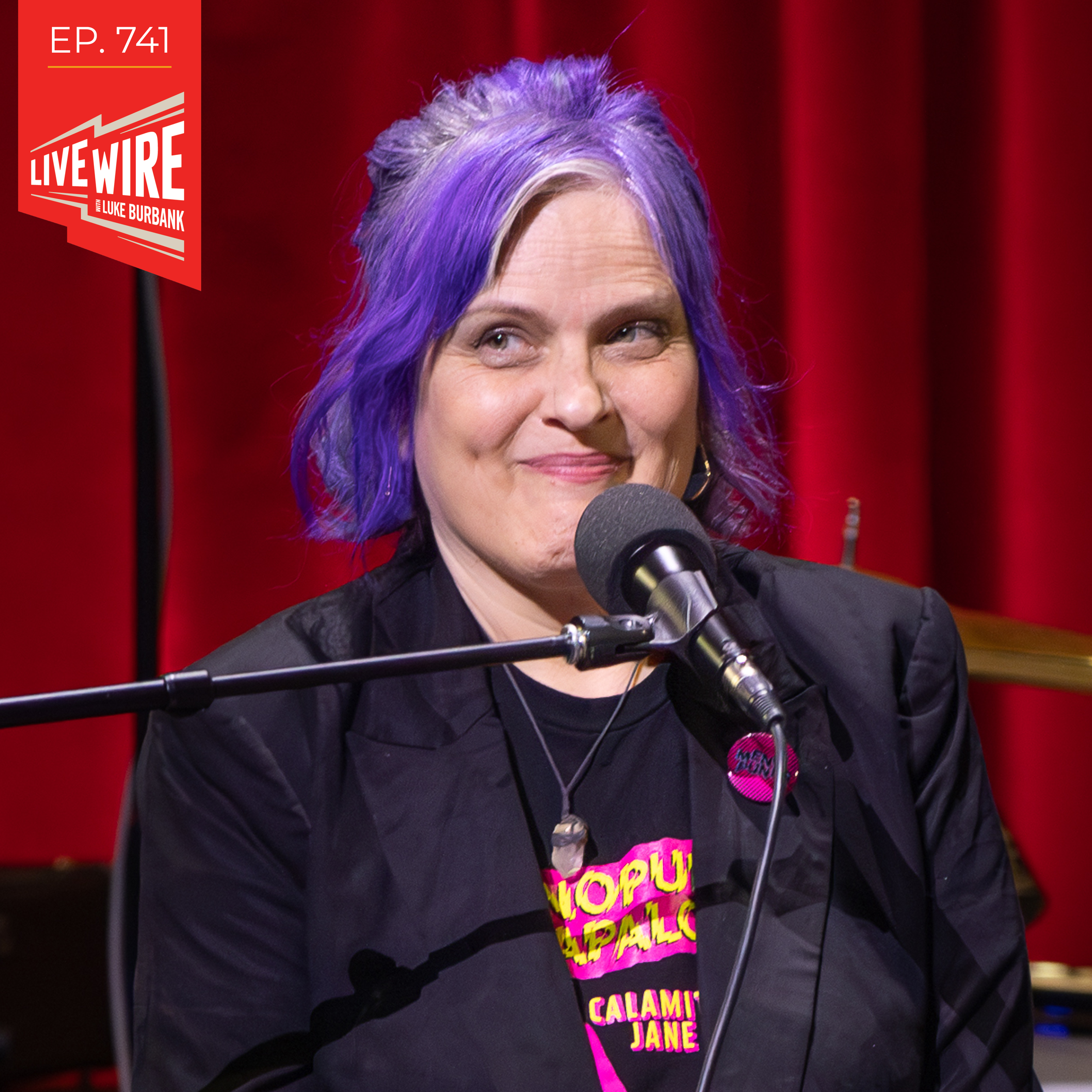
Gilly Ann Hanner
Riot Grrrl Pioneer
Gilly Ann Hanner is the lead singer/guitarist/songwriter of Portland proto-riot grrrrl legends Calamity Jane. Known for their "driving rock riffage,” Calamity Jane is one of the most influential cornerstones of early 90’s PNW punk. The seminal band was formed in 1988 in Olympia, WA and relocated to Portland, OR in 1989. They toured relentlessly and are featured on indie labels K, Kill Rock Stars, Regal Select, Sympathy for the Record, and more. Their album Martha Jane Cannary (1991 SMR UK) was applauded by press. They have been named as an inspiration by countless musicians and have been hailed as "riot grrrl pioneers,” "best proponents of Grunge," and one of Grunge music's "sublime all-female outfits.” Their infamous final 1992 appearance with Nirvana in Buenos Aires became an urban grunge legend in which Kurt Cobain punished the audience for their cruel and sexist treatment of his hand-picked opening act.
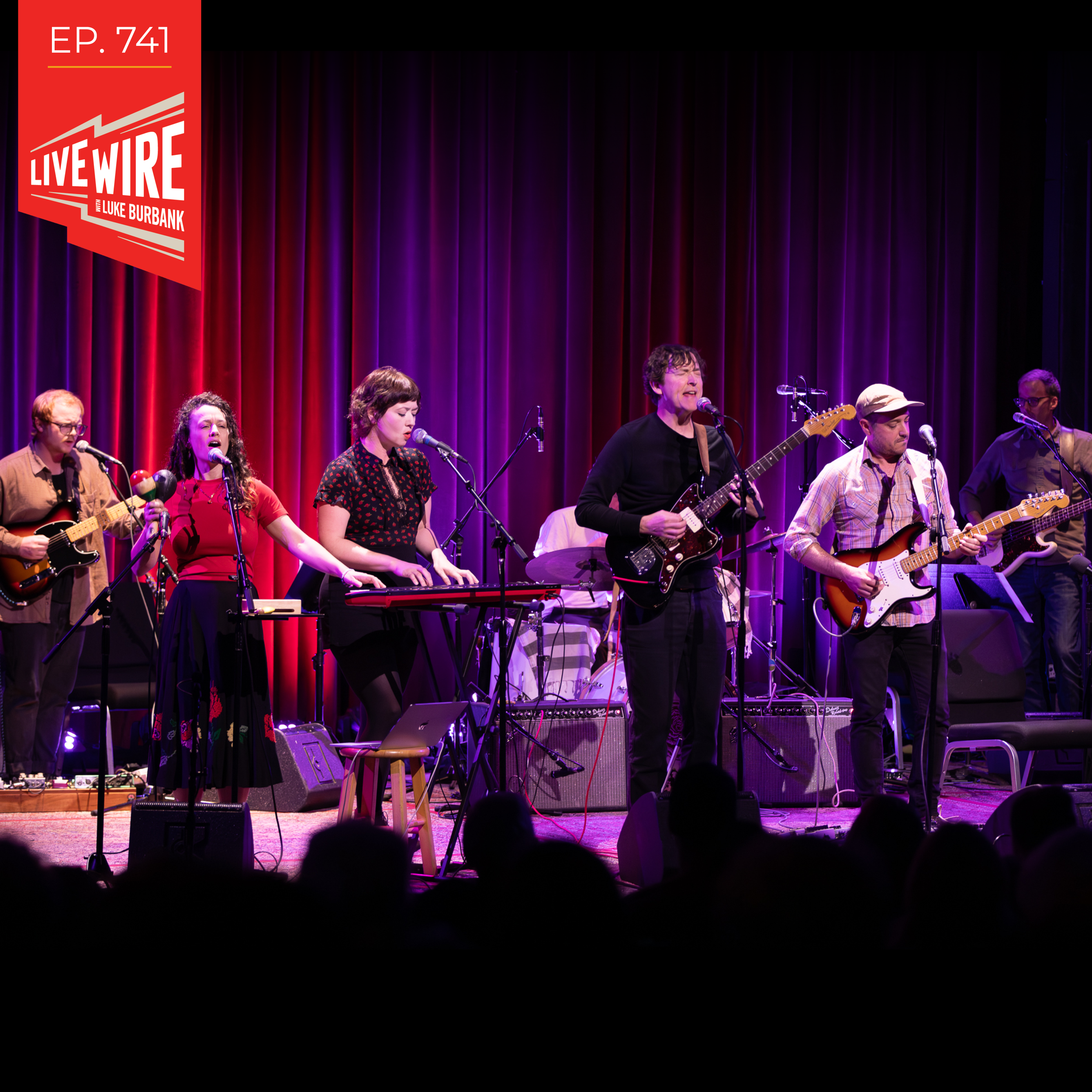
Ages and Ages
Portland Indie Rock Band
Ages and Ages is a joyful indie rock band from Portland, formed in 2009 before signing to Partisan Records in 2011. Along the way, they've released three albums, played Newport Folk Festival, and delivered a session for NPR's Tiny Desk Concert series, where Robin Hilton called their music "unabashedly inspirational, thoughtful and crazy-catchy, in ways that make it hard to listen without feeling better about the state of the world." Their latest album, Fine Thanks and You, reflects the polite and truncated outer shell of a much longer and more complicated story we all have.
Show Notes
Best News
Elena’s story: “Birdwatching rewires the brain and slows cognitive decline” (BBC Future; underlying brain study covered by NBC News)
Luke’s story: “‘An unfortunate mistake’: Knicks admit error in using championship rings as phishing bait”
Chuck Klosterman
Chuck’s new book is Rock*: A Mainstream Alternative History of Alternative Mainstream Music.
Alicia J. Rose & Gilly Ann Hanner
To learn more about the Menopunks documentary and podcast, visit their website.
Ages and Ages
Listen to the new album from Ages and Ages, Fine Thanks and You.
-
Portions of this transcript have been auto-generated.
Elena Passarello: From PRX, it's... [Live Wire!]
This week, writer and culture critic Chuck Klosterman.
Chuck Klosterman: I've always kind of seen criticism as a kind of like intellectual entertainment. Mm. Like, it's for people who don't just like music, they like to think about music when it's not playing.
Elena Passarello: Filmmaker Alicia J. Rose with musician Gilly Ann Hanner.
Alicia J. Rose: Things are changing, and so I really wanted to be in on that conversation and be a part of helping turn the tide on menopause and hormone replacement therapy, and how to have a better quality of life.
Elena Passarello: With music from Ages and Ages, and our fabulous house band. I'm your announcer, Elena Passarello, and now, the host of Live Wire, Luke Burbank.
Luke Burbank: Thank you, Elena Passarello. Thanks, everybody, for tuning in from all over this great country for Live Wire this week. We got a great show in store for you. Of course, we gotta kick things off the way we always do, with a little best news we heard all week. Best news. So this is our little reminder that there is, uh, some good news happening out there.
Uh, you just gotta look for it, and we did, and we found it. Elena, what is the best news you heard all week?
Elena Passarello: Okay, this is a little bit of a two-parter, but stick with me because it involves birds, so you want as much bird content as possible. Earlier this year, some Canadian scientists reported in the Journal of Neuroscience a study that they did on 60 adults.
They took 60 people aged about 30 to 80. Half of them were expert birders. Like- Traveling around, can identify a bird from its sound, knows all the difference between male, female, and juvenile, like A+, like black belt
Luke Burbank: Right. They're not me- Yeah ... who just recently downloaded the, uh, Cornell Bird app so I could try to figure out what was on my deck, and it was a woodpecker.
Elena Passarello: Oh.
Luke Burbank: Extremely common bird.
Elena Passarello: But, you know, you were in the other group then. The other group, so there were 30 of these expert birders and then 30 novice birders, mild enthusiasts, or people who were into other things like gardening, and they tested these two groups for their attention and their perception.
They were looking for tissue density in the parts of the brain that indicate neurological strength. Ironically enough, one of the people who conducted this survey, his last name was Wing, Dr. Eric Wing, said that he- At
Luke Burbank: that point, it's faded. You're gonna work in the bird space,
Elena Passarello: I guess Yeah, you're stuck.
Yeah. Um, but so he tested their recall, their attention, their speech, their patterning. All these things are what an expert birder has to do, and all of those things they think significantly contributes to overall brain health. So the study isn't proving anything, but it's working to gather the material to show that birding supports brain health, especially as we age.
Okay, part two. Folks heard about this in Germany, and a science professor put bird feeders outside 65 nursing homes in her part of Germany, and after a month they retested the memory, the concentration, and the overall wellbeing of the folks who had these bird feeders outside their window at the nursing home, and all shot up to the point that they surpassed all of the averages in those communities for age, so people the same age, and the same level of care that's needed.
And it was such a big, huge boffo result that the health insurers in Germany bought 400 more bird feeders, which are now being posted at nursing homes throughout Bavaria. So not only do we have this amazing science news, it's already being applied among people who are already living better lives because of it, and also birds.
Luke Burbank: That's such a cool news story, and also a reminder of what a real healthcare system might look like.
Elena Passarello: Yeah, I know.
Luke Burbank: You know? It also reminds me that I need to refill my, uh, my bird feeders around here where I'm recording right now, because I've got a hummingbird feeder which a friend of mine actually gave me a light that's like a heater that I can hook up to it when winter comes around so that the hummingbird juice doesn't freeze up.
Elena Passarello: Very important.
Luke Burbank: So I'm a big hit around here with my special non-frozen hummingbird juice in the wintertime.
Elena Passarello: And it's good for your brain
Luke Burbank: It's very good for my brain. Now, the best news that I heard all week is coming, uh, by way of our, our friends out there in New York City, where we're on WNYC Radio. You know, the New York Knickerbockers won the NBA championship last year.
It was a big story. They hadn't done it in a long time. New York is a basketball crazy town, and when one of these teams wins their championship, you know, the players all get these really fancy rings, their championship rings. Mm-hmm. But then they also... Usually the teams will give those commemorative rings to the coaching staff and to the trainers and maybe to some of the front office people, and it's sort of like one of those nice things that even if you weren't Jalen Brunson, like, one of the stars on the court, you still get this nice, uh, kind of commemoration of what your contribution was to the team.
Elena Passarello: Yeah.
Luke Burbank: And I will mention, these teams are worth so much money, and the people who own the teams are worth so much money. It seems like a small thing. Well, the New York Knicks told their staff that many of them were not going to get the championship rings this year-
Elena Passarello: What?
Luke Burbank: because they didn't wanna spend the money on it.
I know, this starts off as a not best news, but then it gets better, I promise. Then an email went out a little while ago saying to a lot of these people who t- were told that they weren't gonna get a championship ring, these employees of the New York Knicks, "Hey, you are gonna get a championship ring, just click here to pick which one you want."
And then people clicked on that, and then they found out that it was a cybersecurity test from the New York Knicks. It was the team phishing its own employees to test their, like, cybersecurity abilities to not click on things they're not supposed to click on. So imagine this. You work somewhere for the New York Knicks.
You were told you're not gonna get the championship ring. Then you get an email from the Knicks that says, "Hey, you are gonna get your championship ring. Just click here." Then you click on it, and then they said, "You just failed the cybersecurity test we were giving you."
Elena Passarello: My Knicks fever is diminishing as this story continues, Burbank.
Luke Burbank: Yours and mine both. I was like, uh, you know, I was incensed on behalf of these employees, as was the rest of the sports media world. You had a lot of people talking about this this week, about how cruel and unusual this was from the New York Knicks. And so now, because they've gotten all of this bad pushback, they have announced...
First of all, they said, "We're sorry. That was a mistake. We didn't think that one through, and we are now going to actually give the championship rings to all of these people who we sent the phishing email to." So in a roundabout way, this is a best news story because all these people that were not gonna get their fancy championship rings are now going to get their fancy championship rings.
They just had to get phished by their own bosses for this. That is the best news that I heard all week
All right, let's, uh, get our first guest on over to the show. Now, the last time that he joined us here on Live Wire was to talk about this really incredible book he wrote called Football, which was a big hit. It debuted at number two on the bestseller list, and now here he is a mere eight months later, back with an entirely new and really funny, really fascinating book that is kind of like for anyone who has ever had one of those arguments about, like, what is the best band of all time, or if you're bored with having that argument because you've already had it too many times, you're gonna love this book.
It's called Rock* with an asterisk. That asterisk is a very big part of the book, it turns out. Uh, here to elaborate and entertain us, as he always does, is our friend Chuck Klosterman, recorded live at the Alberta Rose Theatre in Portland, Oregon.
Chuck, welcome to the show.
Chuck Klosterman: It's great to be back.
Luke Burbank: Well, you were explaining backstage the actual timeline of your, your prodigious output of books, because we were under the impression that you wrote your football book, which I absolutely loved, and then you turned right around and wrote this one. But in fact, you wrote this before the football book.
Chuck Klosterman: It's true, yeah. So, you know, I tend to sell two books at a time. I sell my books in advance. Must
Luke Burbank: be nice.
Chuck Klosterman: Well... Yeah. Well-
Luke Burbank: I sell zero books at a time
Chuck Klosterman: And now what I usually do is I usually have two ideas, and one idea is very easy to explain, and the other idea is less easy to explain. But I always think if I can really make it clear that the easy one to explain will be successful, I can also do the second one.
So I proposed to do this book about football, which I thought was going to be the easiest book to sell in my life. It would be like, oh, this is a book about what Taylor Swift looks like, basically. It's like- ... the sort of like, you know, like the, like the ultimate monocultural thing. And then I had this other idea for this, this kind of alternative history of rock music, you know?
And I thought maybe they'll probably only buy the football book, but you know, maybe they'll, maybe they'll buy this other one. And then as it turns out, they did not wanna buy the football book initially. They were like, m- m- people who like football don't wanna read about it, and people who hate football don't wanna be told they should like it or whatever, you know?
Um, but this rock book, you must do this bizarre idea. So I was like, "Okay. I'm gonna do it then. I'm gonna do this thing," wh- which was a little harder than I thought it would be, because I had to basically project an incomplete nonfiction book of the history of rock from 1967 to 2002, and then reverse the polarity on everything and just do the complete opposite of everything that was real.
I work on this thing, and I deliver it to them, and I, I'm pleased that I was able to accomplish it, and then they immediately said, "We are not publishing this book." So then I thought my life, maybe my career's done. I thought, "Well, you know, it started so arbitrarily, maybe it'll just end arbitrarily." Didn't seem...
Like, you know, I mean, I'm serious. But then on Monday, my agent calls me back and he's like, "We have all the leverage." And I'm like, "Are you insane? What are you talking about? They just said they don't want it." He's like, "Well, we're gonna go back and we're gonna say you still wanna do the football book." I was like, "Okay, we'll see how this works."
Well, it did, as it turns out. So then I just took three days off and then wrote the football book. Oh, my God. Wow. Then they get the football book, and whatever they thought the football book was going to be, I guess it was different, 'cause they were very pleased with it, you know? Uh, I, you know. So then that book comes out in, like, January when I was here, you know?
Like, at, at one point I thought maybe I would just, this book would just never happen. It would just sit on my hard drive forever, and I would just stare at it. But, uh, I was like, "I can't do that. I got, I gotta sell it." So I s- I- they allowed me to sell it to a different publisher- Mm-hmm ... who then wanted to put it out as soon as they could.
Which is why I have two books out this year, which doesn't make a lot of sense, but that's how it works.
Elena Passarello: Yeah.
Luke Burbank: I, I have to say, I, um, I live a life of embarrassment, but, uh, it was especially acute when I started reading this book, Chuck, the, your new book, Rock, which I didn't get any... Like, uh, you know, particular description of what the book was about.
They just said, "Chuck has a new book out." It showed up at my house. I started reading it, and I was seeing things in the book that I thought, "God, that's not how I remember that." Like, I didn't understand the premise of the book. I was like, "Was GG Allin a bigger deal than I remembered from things?" And eventually I, I figured it out.
I think some of the press materials fell out. Can you explain actually what the premise of this book is?
Chuck Klosterman: The premise of this book is that in 1967, prior to 1967, everything in the history of music has happened exactly as we all know it. But in 1967, the first Velvet Underground & Nico record comes out, which is sort of famous now for, like, having almost sold nothing, but having this influence that rippled over time.
You know, there's a f-
Luke Burbank: It's got the Andy Warhol- Yes ... banana on it. Yes. And like- You've seen someone wearing a T-shirt of it, even if you haven't listened to it.
Chuck Klosterman: You know, like Brian Eno once said, like, you know, "Oh, only 30,000 people bought the Velvet Underground record, but they all started bands." Its whole basically meaning is built around its cult status, sort of.
But in this book, the album comes out, and it's, like, 10 times bigger than Michael Jackson's Thriller. Hm. It's the biggest rock record of all time, the biggest cultural event of the 20th century. Everything about the world changes because of this thing. So The Beatles kinda disappear, and everything that we understand about music is reversed.
Um, the, the everything that you think of as, like, as a critics' band, like a band like Big Star, they now play arenas, you know? Um, the bands that you think of as major, like Boston and Van Halen, they're sort of like underground bands kind of, like, poking at the mainstream, you know? Like, punk music is the most popular music in the world.
Like, you know, it's like The Clash is on the cover of Highlights for Kids. Um, uh, a- and then it kinda moves into the '80s, and then because the Velvet Underground, of course, has, have been so popular, everything about their aesthetic has become normal. So, like, heroin becomes the most popular drug of the '70s for, like, teenagers.
And things like transgenderism and sadomasochism, that's just, like, a normal thing everyone's into. So because of this, the culture becomes extremely secular, and there's a youth movement kinda back up against it in the '80s, and they start looking for kind of spiritual meaning, which they initially find in, like, the Bob Dylan gospel records.
And they create this new religion where you can sort of just project any record as Christian, so Madonna becomes the biggest Christian artist of all time. It kind of moves through, you know, the, the idea is that then rock critics become super powerful. They're like 100 times more powerful than, like, the Teamsters.
They start this union. Yeah. At, at one point they build, like, a wall of amplifiers across Nebraska and just blast Lenny Kravitz music across- ... the plains all day long. And it goes up into 2002, where the book ends, and, uh, the, where the events- Wait, Chuck, Chuck,
Luke Burbank: hang on. I want people to also purchase the book.
Okay. And I'm worried that you- I'm worried that you are giving away a lot of the milk for free right here. Also, we have to take a break.
Chuck Klosterman: Yeah, okay.
Luke Burbank: But I do, I, I do wanna talk much more about this book as soon as we come back. We're talking to Chuck Klosterman about his latest book, Rock*: A Mainstream Alternative History of Alternative Mainstream Music.
This is Live Wire Radio. Much more in just a moment.
Hey, welcome back to Live Wire. We're at the Alberta Rose Theatre this week here in Portland, Oregon. We are talking to Chuck Klosterman about his, uh, latest book, Rock*: A Mainstream Alternative History of Alternative Mainstream Music. It's sort of, uh, this counterfactual, uh, history of music where the band The Velvet Underground has become stratospherically popular, and all of their aesthetic and the way their fans react and everything has become kind of the cultural norm and the dominant thing.
Meanwhile, bands like The Beatles and The Rolling Stones and Led Zeppelin have kind of withered away, or Elvis is known for his, being the spokesperson for Jimmy Dean Sausage. That's kind of his great- ... his great cultural impact. But this is the thing. In, in the book, it's not that The Beatles never existed or that they were never popular, it's that they didn't really stand the test of time, I guess, if you will. Or h- I mean, 'cause, you know, that's a very sacred, you know- [Chuck: Sure.] … topic in this country.
Chuck Klosterman: It's, uh, well, and it was a weird, it was weird to write negatively about The Beatles. I felt very uncomfortable doing that. But- ... in this alternative world, everything is different except for the music. All the records that you are currently aware of, when they came out, what they sound like, what the songs are, that's all the same.
So, like, the first Bad Company record is exactly as you imagine it- ... when it came out. However, the way it is perceived is completely different. I mean, I guess, you know, it's this weird thing where my early books, I thought I, they were chock-full of these ideas, and people would read them and be like, "Oh, that's kinda funny," or whatever.
Now they're like, I've tried to write a book to be funny, and everyone is like, "But what does it mean?" You know? Um, and I s- Yeah, because it seems as though, and maybe I guess it is, is that it's, like, kind of an analysis of what criticism actually means. And, and, like-
Luke Burbank: Oh, my gosh, I thought it was so funny because- [Chuck: Uh-huh.] … it's written in this kind of serious- [Chuck: Yeah.] ... tone, stating things factually that we, the reader, know are not the case, and it lays bare how kind of ridiculous- [Chuck: Yeah.] ... any kind of criticism is about a subjective topic when it's written from an authoritative perspective.
Chuck Klosterman: Yeah. I mean, the downside to that is the expectation, then, is that people need to buy a book that's like reading a fake encyclopedia.
Luke Burbank: It made me feel so smart. It made me feel like I knew the end of the movie, that the writer didn't. I don't know, I felt somehow, like, it made me feel like, d- I don't know, I just really, really enjoyed the process of reading this. But also, it reminded me a little bit of almost, like, Hunter S. Thompson, because I feel like when I read his stuff, he just authoritatively states so much stuff that I, you can't really verify.
Can you almost see where the wave broke? I mean, I don't know. But, like, this just made me basically suspicious of anybody trying to write from a serious manner about something that is, on some level, kind of u- unserious.
Chuck Klosterman: Well, what... You bring up a good point because there was, like, one sort of structural complexity which I didn't anticipate until I started doing it.
In this book, all these things are supposed to be kind of known by everyone. Uh-huh. You know? Um, so you can't act surprised by things. It was like if I was writing an actual- full history of rock music, and I was talking about, say, like Van Halen's 1984 record, it would be really weird if the writer was like, "Can you believe the actor Ronald Reagan is president?"
Mm-hmm. Like, that just makes no... Like, I had to act as though all these things in this book are obvious, you know? And so it had to, like, I had to be understated in a way- Mm-hmm ... that to some people will just seem slow, but I- that's just how it is, you know?
Luke Burbank: Right. It had to all be sort of a given. You could- Yes.
Yes ... there couldn't be like a, like a, yeah, you couldn't be astonished by any of it because then that would belie the whole premise, I guess. Yeah. Um, you might be, uh, tired of answering this question already on your promotion for this book, but, I mean, is there- Is there a way to write accurately or factually about the subjective topic of music?
Like, how, how can somebody actually be good as a, as a music critic when it is such a subjective thing?
Chuck Klosterman: Well, music is subjective, of course. All art is subjective. I think that as a critic, the idea is that you are admitting that you're subjective, but that you have thought about this in a way that's going to allow someone else to experience this in a way that is either new to them or maybe on a deeper level.
It's like, you're, y- in, in a sense, I do, I've always kind of seen criticism as a kind of like intellectual entertainment. Mm-hmm. Like, it's for people who don't just like music, they like to think about music when it's not playing. Okay. Or they like to watch movies, but they also like to think about the movie when they're driving home, and what did this mean?
So I mean, how can you do a good job at it? Well, I mean, if people read something and it seems true to them or it seems new to them, I think you've succeeded.
Luke Burbank: You also have, uh, this part in the book where you're talking about the three reasons that The Velvet Underground became- Mm ... the phenomenon that they did.
What are those things?
Chuck Klosterman: Well, okay, so the, that, it is kind of a joke because the three things are like, well, okay, it could be merit. It could be what the thing is. You know, in terms of music, it could be the mathematical quality of it, um, the, the skill of the singer, the combination of instruments, the length of the songs.
There's also kind of this theory that like where Dorner had or whatever that- Mm-hmm ... it's such an intangible, magical thing that art is this thing that like, it, it kind of reaches into the deepest part of you, and there's no way to explain it. It is almost beyond explanation. And then the third possibility is like, it is absolutely just an arbitrary, capricious process.
Something always has to be the biggest song in America, so something always will be. It's like rolling a die. A five comes up and you decide that a five is what you want. Now, the joke is, is that these are the three ways anything can be popular. Not- There's no other way. It's either what the thing is- ... it's something that we can't explain, or it's meaningless.
And that, what I basically am saying in this book is that, that like, you know, The Velvet Underground in this mythical world, you know, like, they succeed because they have elements of all three of these things. But of course, all things do. The real part is, I guess, as a critic, is typically even if you understand that anything you're writing about or, or thinking about or, you know, whatever you're doing, if you think about a successful thing, you're gonna lean on one of those categories.
You're either gonna say it's successful because it deserves it, you're gonna say it's successful for reasons that are beyond explanation, or you're going to say, "Well, it didn't really mean anything. It was just chance." You know? You're al- Mm-hmm. And, and that's, I, I think a good critic basically picks one of those three lanes and tends to stick to it.
Mm-hmm.
Elena Passarello: Between projects, between things that he's criticizing.
Chuck Klosterman: Yes. That, that, that there is a consistency- Mm ... to how they view the success of something. Mm-hmm. Because i- if you, if you just, you know, if you just pick whatever one suits you at the time- Mm ... that's not really criticism. That's just giving an opinion.
Elena Passarello: And which one do you think you are of the three?
Chuck Klosterman: Well, I think that most people who are in media or in criticism tend to be in that first category, trying to explain what the thing is and why that happens. I think most artists tend to be in the second category. Mm. That they're like, "Well, the reason this song works, even though it's just like 1,000 other songs that are similar, is because there's that something there that's, you know, beyond me even.
I don't even understand it." Mm. I think the third category is basically used by people who wanna dismiss art and say that it's just chance, and it doesn't really mean anything, and we make up the explanation after we've already decided what we feel.
Luke Burbank: Mm. Uh, we're talking to Chuck Klosterman this week on Live Wire.
His new book is Rock*: A Mainstream Alternative History of Alternative Mainstream Music. The, the book ends in, uh, 2002, right? Yes. Is that because that kind of, in your mind, marks the end of, of a certain kind of, like, relationship between music criticism and, and music? Or the, the way critics would go towards the Velvet Undergrounds of the world versus what kinda happens now?
Chuck Klosterman: Well, it's two things. One is that I think the traditional way that rock music and pop music had been covered in, like, '60s, '70s, '80s, and '90s did seem to change during that period. Um, ideas about poptimism and things like that came up, and it was... Uh, the idea that, like, something's success was seen as proof of its goodness, which is a new idea.
There used to be a real sorta adversarial relationship between things that were big and the things that were good. Now it's sort of like b- bigness is proof of goodness. Right,
Luke Burbank: like
Chuck Klosterman: the
Luke Burbank: critics- But the oth- Never liked, the critics- Yeah ... were always more into the bands that were less well-known. Absolutely.
And then there was the big- And the- ... you know, broadly popular stuff that they thought was less good.
Chuck Klosterman: And that's almost completely over now. Like, the, the, the likelihood of The New York Times writing about Taylor Swift or Beyonce or something is much greater- Hm ... than them trying to convince or persuade someone this unknown thing is meaningful.
But there's also kind of a personal part of it, which is that I moved to New York in 2002, and prior to that time, I had had this, you know, deep relationship with music where it was, like, how I felt, what I would read, like, in a ri- a rock encyclopedia or in Spin Magazine or something, and then there was sort of the sense of the world.
I had to kinda triangulate what I thought the meaning of these things were. And then when I got to New York and started working in that capacity, I realized that it's sort of like the media, the record labels, the musicians, the venues, we were all weirdly kinda working together. Like, it was more sh- like, I was raised in a journalistic sense, you're adversarial with the subject.
Mm-hmm. And then when I got to New York, I realized it's kind of a symbiotic thing. Uh-huh. Like, like, there- even the, even a negative review of an artist like Nickelback or whatever- ... is part, well, is, like, in a way, important to the space they occupy. Like, n- they need to be that band to be who they are. Um, so 2002 for me, I mean, it's not that I d- had no idea that the media affected things.
Of course I did. But I didn't realize the extent of that until I got out there. So to me, 2002 was, like, a hinge point in my life. Hm. Um, and I also thought there's a problem, you know, it's hard enough to write about- people who are still alive, it's very difficult to write about things in a historical sense that are literally happening now.
So like, to write about Sabrina Carpenter now- Right ... as if, it would be a, like a hard to do kind of a thing now.
Luke Burbank: Right, right. You had to kinda give the book like a headstart or something, or you had to kinda deal with stuff that we know is, is fairly firmly in the past. Um, was this also... I was wondering about the Elvis stuff, and I, I wanna just also, full disclosure, uh, our show's announcer is a decorated writer and is working on a book about Elvis.
So did you have any thoughts about the way that Chuck wrote about Elvis?
Elena Passarello: Well, I'm, I'm f- I have to say, I'm fact-checking my Elvis book right now with a fact-checker, and when you're fact-checking a book, sometimes you get really paranoid that you've gotten everything wrong. And I went, like Luke, cold into Chuck's book, and the first thing I saw is that, um, Elvis was walking down the street in 1980 and nobody recognized him, and I was like, "Oh, no, did I miss that?"
Chuck Klosterman: Well, I, I, like, I will, like, part of the reason I think that this, this book is sort of, you know, it's received in a weird way is there is sort of an unwritten rule that you don't write a fictional book with non-fictional characters. Mm. 'Cause it does put the reader in a weird position. Like, are you supposed to take the knowledge you have of Elvis and inject it into the book and read it back, or are you supposed to discard it?
Right. It is kind of a strange thing. I mean, this is completely unlike the other 13 books I've done in every possible way. Like, it is so separate from that, um- It almost feels like a different person wrote it, but I
Elena Passarello: mean- I'm gonna tell you what I love about it- Yeah ... as somebody who loves this kind of writing and also loves making fun of this kind of writing, is that something like Elvis gets to live until 2001- Right
and record a cover of Stay by Lisa Loeb. When, when Napster shows up, I'm not even gonna tell you what happens. But so it's these things that you understand as somebody who's been alive at some point between 1967 and 2002, and once you sort of understand the premise of the book, every connecting point in pop culture is this trampoline for imagination, and it's, that is when it's really, really fun.
Chuck Klosterman: Well, I appreciate you saying that. I mean, there was, I said this book was hard to write. It also was fun to write in the sense that, like, you know, I'm sure a lot of people listening to this feel the same way. They've spent their whole life thinking about The Beatles. Yeah. They've spent their whole life thinking about The Rolling Stones.
They've spent their whole life thinking about Bob Dylan. They know all these artists. They know everything about them. They've learned all these factoids. It's almost like they've run out of ways to think about it, and it was like, "Aha-" "... there's a new way."
Luke Burbank: Right.
Chuck Klosterman: I will just make things up about them- Yeah
that are c- that completely contradict everything you know about them. Yeah.
Elena Passarello: But there are still things that are connected. Yes. Like, John is still kind of mean to Paul in the press all the time. Yeah. And, you know, everybody likes Ringo even though they don't seem to respect him as much.
Chuck Klosterman: Yeah. Well, yeah, I mean, about, I mean, about 20% of this book is totally real.
Yeah. Like, I mean, at least, you know? I mean, there are quotes in this book that are actual quotes, they've just kind of been recontextualized. I mean, I, it, it's, it was just, it was a strange thing. You know, I always, I, I, I said, like, you know, I brought this book forward and they wanted it, and then they didn't want it.
Like, I kind of imagined it'd be like if someone came up to you and said like, "Hey, I'm gonna paint the town red tonight," and you were like, "Great. Good for you," and then you saw them going to the paint store. And you were like, "Wait, wait, wait, wait. What? You're, you're actually doing that? Like, you're actually doing that?"
And I, I, I think that they didn't think I was actually gonna do the thing I proposed. Like, I'm gonna write this encyclopedia of untrue things for the, the, the appendix of this book has, like, every single and records. Like, it's like- Yeah ... it's, I bought into it, man. I went all in. It's indexed. Yeah, yeah. You know?
There's an
Elena Passarello: index
Chuck Klosterman: to this
Elena Passarello: book.
Chuck Klosterman: Yeah. Yeah, it's incredible. Um, so, so I'm just, you know, it's, it's probably not going to be that successful, but I'm happy that it exists. Wait till it, wait
Luke Burbank: till it gets that Live Wire bump. Like, well,
Chuck Klosterman: yeah. Yeah. Oh, exactly, yeah. Just to put it over the top, you know? But it's like I, I, I, sometimes you c- well, you can only do what you're compelled to do, and even if it doesn't make a lot of sense, you just, you gotta do it. So I-
Luke Burbank: I thought it was such an entertaining read, and I laughed out loud so many different times. So many times. I wept silently at the part where The Beach Boys were kinda known for early stuff, but mostly for the talent of Mike Love. Yeah. That part, that hurt. That hurt. But other than that, it's an incredible read.
The book is Rock*: A Mainstream Alternative History of Alternative Mainstream Music by Chuck Klosterman. Chuck, thanks for coming on Live Wire. Thank you.
That was Chuck Klosterman right here on Live Wire, recorded live at the Alberta Rose Theatre in Portland, Oregon. His latest book, Rock*, is out and available right now.
Live Wire is once again partnering with the Portland Book Festival for a full-day event centered around books and storytelling. On November 7th, the Portland Book Festival will offer author panels, a book fair, pop-up events, workshops, readings, and even something new and unexpected. It will also feature an expanded program in collaboration with some of the city's prominent voices in arts and culture, connecting the community through literature, music, food, and visual art.
More details can be found at pdxbookfest.org. That's pdxbookfest.org.
You're listening to Live Wire from PRX. I'm Luke Burbank here with Elena Passarello. Our next guest spent decades as a filmmaker before she says menopause turned her life upside down. Blindsided by her symptoms and feeling unsupported by the medical system, she found that many of her friends were going through a very similar experience, so she decided to tackle the subject head-on by filming a documentary featuring the likes of Pat Benatar and Neko Case.
She also started a podcast, and she basically put together this, like, entire festival all built around the topic of menopause. Uh, they call it Menopunkapalooza, and it's turning into a whole movement, which we wanted to hear about. So take a listen to Menopunk's founder, Alicia J. Rose, and Gillian Hanner from the riot grrrl band Calamity Jane, who joined us on stage at the Alberta Rose Theatre in Portland, Oregon.
Hello, Alicia and Gilly. Welcome to Live Wire.
Alicia J. Rose: Thanks for having us. Hello.
Luke Burbank: Um, I had no idea, I mean, maybe because I'm a guy, but the, the, how, how big of a movement this was becoming, particularly here in Portland. Our drummer, A. Walker Spring, has got her Menopunks- Yeah. Oh, I want, I want that ... sweatshirt on. A- Alicia, when I was starting to write up the questions for this interview, I was, like, feeling a little self-conscious about asking you and Gilly about your, you know, physical bodies and what this experience has been like for you of menopause, and then I realized that's part of the problem, right?
Gilly Ann Hanner: Yeah. Yes. Exactly.
Luke Burbank: Is that it's something that's considered taboo or personal or, I mean, talk about that a little bit. Mm-hmm.
Alicia J. Rose: It has been considered taboo for way too many years. Um, but you know, Gen X, we're over it. We're here to talk about it. And through my, you know, um, curiosity spelunking into the darkness of menopause-
um, I really found a lot of things that really upset me about why we don't know anything and why our mothers feel like crap, and why I think Gen X and millennials and everybody's like, "What's going on with me?" And things are changing. And so I really- Mm-hmm ... wanted to be in on that conversation and be a part of helping turn the tide on menopause and hormone replacement therapy and how to have a better quality of life, right?
Elena Passarello: It's totally true that, like, entire generations of women never... We, I mean, most of us had mothers, and I don't remember any conversation. Right. And it was just, like, I don't even think there was really a vocabulary to, like, articulate what was happening. No.
Gilly Ann Hanner: There wasn't, and there hasn't been. People don't talk about it.
There's something shameful about it- Mm ... it seems like. I, although we're coming out of that.
Elena Passarello: Yeah.
Gilly Ann Hanner: You know, I think not talking about things that's going on just isolates you. Yeah. You know? And as soon as we start sharing our stories, we feel better already, and we find out, you know, ways to solve our problems and solutions for our pain and- Yeah
suffering.
Alicia J. Rose: Yeah. I'm a life hacker.
Luke Burbank: Yeah. She is. I was wondering about that for you, Alicia. Like, this sort of before and after, you know, in your life, of- Yeah ... of your, your life and, and you're a photographer and filmmaker, and you're doing all this cool stuff, and then menopause comes around. And what, what were you not expecting about that experience?
Mm. What really kind of shocked you?
Alicia J. Rose: Well, I didn't understand that my hip that was aching so badly wasn't, like, hip cancer. I went and got MRIs. I was, I had a hard time standing up on stage for longer than 10, 15 minutes. I'm a musician. I had been my whole life. Uh, you know, brain fog, sleep, all this stuff.
But the hip thing was really surprising. And ultimately, once I finally convinced, this is a few years ago, my doctor to let me try hormone therapy, within six months, it was gone.
Gilly Ann Hanner: Yeah, same for me. I had terrible joint pain. I was very active doing kung fu. I have a salon. I was playing in two bands at the time.
And all of a sudden, I could, my knees hurt, my hips hurt, my- Hands hurt, all of my joints were just, just in pain. Like, I went to physical therapy, I did all these things, and none of it helped until I, you know, encountered a really great doctor who suggested I try HRT, which I was reticent to do. I was like, "Oh, isn't that bad for you?
You hear all the-" And
Luke Burbank: that's hormone replacement therapy- Yes ... for people that- Yeah, yeah ... that aren't familiar.
Gilly Ann Hanner: Exactly. Exactly. And I tried it, and lo and behold, it worked, and it really made my quality of life so much better.
Alicia J. Rose: People don't seem to get that, you know, menopause and perimenopause, which goes on for, what, five to 15 years?
I mean, it's out of control. Yeah. Can start as early as 35. That, it mimics so many symptoms of other diseases. Mm-hmm. And so we start feeling all this inflammation or, you know, um, stomach problems, uh, y- you know, heart palpitations. Just so many things, so w- it wouldn't, you wouldn't think, "Oh, this is my hormones."
And you're right, our mothers didn't tell us anything, but there's a reason for that.
Luke Burbank: Let me, uh, remind people, you're listening to Live Wire Radio. We're talking to Alicia J. Rose and Gilly Ann Hanner, um, from the Menopunks movement. Tell me about Menopalooza and what goes on at a Menopalooza.
Gilly Ann Hanner: It's a Menopunkapalooza.
Uh, it's a festival, uh, with panels on hormone awareness and, um, how you can get access and information, and a bunch of great bands playing. Um, all sort of estrogen-powered bands. Um, and cross-generational- Mm-hmm ... but a lot of older musicians like myself. Um, it's been so positive to sort of see this generation of women who...
You know, we, we were part of Riot Grrrl, we, we were part of Rock for Choice with, you know- Yeah ... that El Seven started. And our, you know, my band played at all of those things and were, was part of that. We were part of, you know, a lot of different political awareness sort of initiatives, and to have this be so relevant right now is just wonderful.
Elena Passarello: Is there something that you, in all of your study and celebration, that you've decided is particularly punk about menopause? Like, does the punk movement- I mean- ... and the, the change of l- like, does it, does it, do they intersect in a way that you understand?
Alicia J. Rose: Yes. Menopause is punk AF. Oh, my God. When you're like, when you're sweating your butt off in the line at the freaking supermarket, you're like, "Ah."
What is more punk than that? Yes. You know, what is more punk than menopause? What is more punk than perimenopause? I mean, this is the thing, like, we are not taking it.
Luke Burbank: Well, how do people find what you're doing and where you're gonna be? 'Cause I know you're going on tour.
Alicia J. Rose: [Gilly: Yes.] So we are going to menopunk the votes.
Elena Passarello: Yes!
Alicia J. Rose: Yes. And you, you may ask, Luke, what does Menopunk the Vote mean?
Luke Burbank: That was literally my next question.
Alicia J. Rose: So, so Menopunk the Vote basically means, you know, here's the deal. We know, all of us women in the audience know, women between the ages of 35 and 75 are the most powerful voting bloc there is.
And I just don't think we have anything giving us sort of like stickiness and togetherness, so we're going to sort of create that pathway for people where through punk rock, through music, through art, through energy, we give them a focus, we give them a way to identify and find a positive and helpful sel- way to self-advocate through menopause and perimenopause.
So we thought, why not go on tour?
Gilly Ann Hanner: Yes. Uh, Calamity Jane has reformed basically for Menopunkapalooza. I was wondering about that, actually. Yes. If this was the- Yes, it was Alicia. My fault. She suggested it, and it felt like the right time to do it.
Alicia J. Rose: This is my dream, I want you to know. Like, getting to be on stage in DC and New York right before the election to just, like, whip people up, and also to read what we wrote, which is the Hormonal Bill of Rights, the Menopunks Hormonal Bill of Rights- Mm-hmm
which is a 10-article, step-by-step, like, rip it out guide to exactly what we deserve and what we need and what we shall have. Yes, queen.
Luke Burbank: Are you telling me-
Are you telling me the Founding Fathers overlooked this important detail- ... about 50%- So, yeah ... of the American population? We w- uh, yeah. They did not inscribe that in the initial Bill of Rights?
Alicia J. Rose: You're listening to the radio, but I am scratching my head right now. Yes. Um, here's the thing, uh, is the ERA ratified?
Luke Burbank: No.
Alicia J. Rose: No. Do you think, you know, if the ERA was ratified, maybe they'd have one less way to wedge into taking all of our rights away?
Luke Burbank: Mm-hmm.
Alicia J. Rose: We're at, we're at a disadvantage from the jump as women, and, and it's time for that to change. I really believe in the rise of the matriarchy, and that doesn't mean the dudes don't get to have supper.
You still get to do whatever the- Honestly-
Luke Burbank: We're just- ... it hasn't gone great with dudes running things.
Alicia J. Rose: They, I mean, they, they- I,
Luke Burbank: I- You guys, why don't you guys take a turn?
Gilly Ann Hanner: Thank you.
Alicia J. Rose: Exactly. Thank you. And, I mean, look, I mean, uh, my, my partner, he makes me breakfast. He cooks most... He, he's much better at it than me.
I think that ultimately, John, he's, he's in the audience today. Yeah. Love you. Um, but, but I think that we really are at a time where, like you said, Luke, you know, dudes aren't really showing us that they should have keys to the car. Yeah. Sorry. Especially the nice one, like America. Yeah. So I, I really believe that, you know, women, we have so many women in leadership positions, and so many women now really, you know, tons of women doctors who are now at Gen X age, who really, they're a huge part of this revolution.
So part of what we're calling for in our Bill of Rights is education of doctors, access to education for us, amongst other things like access, insurance covering everything, and I mean, there's a million, there's 10 things, but there's more in each of those 10 things. Yeah. They're very thick. Somewhere
Luke Burbank: between 10 and a million.
Alicia J. Rose: Yeah.
Luke Burbank: Yeah.
Alicia J. Rose: But, but, you know, I'm going to share that with, alive audiences, which is exciting. Yeah. We did it for the very first time at Menopunkapalooza, which was a combination benefit for the film Menopunks, and it was a film shoot, which not everybody knew. So, hi. Yeah. If you were there, you might be in the movie.
Um, so, so that will also be part of the film, 'cause the film is really partially my journey through the hellscape of perimenopause and menopause, and then also my desire to help all my friends. Yeah. You know, and just, like, help my community. And I think, you know, now that I feel better, you know, I can be the wild whirling dervish I always have been.
Luke Burbank: I feel like you're really back to whirling dervish status- Yeah, yeah ... Alicia.
Alicia J. Rose: Really. You were there, baby. You
Luke Burbank: were there. Yeah, I know. Uh, Alicia J. Rose and Gilly Ann Hanner, uh, from the, uh, Menopunks movement. Thank you for coming on Live Wire.
Alicia J. Rose: Thank you.
Luke Burbank: That was Alicia J. Rose and Gillian Hanner right here on Live Wire. For more information about their project, check them out at menopunks.com. You are listening to Live Wire from PRX. We've got to take a quick break, but when we return, we are gonna hear some very fun, very indie rock music from the Portland, Oregon favorite Ages and Ages.
Stay with us. More Live Wire in just a moment.
Welcome back to Live Wire. I'm your host, Luke Burbank, here with Elena Passarello. Okay, before we get to this week's musical guest, a little preview of what we're doing on the show next week. It's kinda like all my old Seattle pals are coming around. That's where I grew up, and it's where I first met friend of the show, Hari Kondabolu.
He, of course, is the comedian and writer. You might know him as a panelist on Wait Wait... Don't Tell Me!. These days, he's co-hosting a podcast called Health Stuff with a physician and comedian, Dr. Priyanka Wali, which is kind of an interesting concept because Hari does not know very much about health stuff, as we'll find out.
Then another Seattle pal of mine, the writer Lindy West, and her actual childhood best friend, Meghan Hatcher-Mays, will pop on the show to take a test to find out if they really are super-duper best friends. Then singer-songwriter John Craigie, who I do not know from Seattle, but I do know from just being an absolute delight.
He is gonna sing us a lovely song from a sun-dappled winery in the Willamette Valley of Oregon. It's gonna be a great show and exactly what we need next week on Live Wire. Don't miss it.
Sometimes checking your email, let's be honest, can be a little stressful. But we wanna change that over here at Live Wire. We wanna make checking your email more joyful with our weekly newsletter, which is only good news. That's all we do over here at the Live Wire newsletter. We got sneak peeks and deep dives on upcoming events, uh, details on where you can join us live, new episode drops, and even more than that.
Getting this drop of joy, it's super easy, too. You head over to livewireradio.org and you click keep in touch. It takes, like, 30 seconds, 25 if you're speedy. So help us help you have a little more fun in your inbox with the latest from the Live Wire newsletter
All right. This week, our musical guest is a joyful indie rock band formed right here in Portland back in 2009. Along the way, they've released three albums, played to the Newport Folk Festival, and delivered a session for NPR's legendary Tiny Desk Concert series, where one of the hosts called their music unabashedly inspirational, thoughtful, and crazy catchy in ways that make it hard to listen without feeling better about the state of the world, which seems like something, and I say this every week, that we could really use right now.
This is Ages and Ages. They joined us at the Alberta Rose Theater in Portland, Oregon. Take a listen.
Uh, thanks for being here. It's really nice to see you all again. Um, this latest album of yours, Fine, Thanks, and You, tell me a little bit about the, the creation of it. I know that there was some sort of dark stuff going on, right? That was kinda behind that term Fine, Thanks, and You, and also like, you know, the sort of creation of some of the tracks.
Ages and Ages: Yeah, there always is a little bit of dark, just to the human experience. Uh-huh. And thus, you know, probably the writing experience if you're paying attention and if you're living life. But, um, I think, you know, this project has always been about sort of taking all those things into consideration, but then sort of the glass is half full approach.
Uh-huh. At the end of the day, hey man, we're here. Yeah. We're here for a window of time. Uh, there's some goodness, and there's people doing good things, writing good books, educating people, and you know what I mean? Just, and having good conversations and coming here to be amongst humans and, and it's a wonderful thing.
Luke Burbank: Yeah. And making good music. What song are we gonna hear?
Ages and Ages: We're gonna hear Wild Ride.
Luke Burbank: All right. This is Ages and Ages on Live Wire.
[Ages and Ages performs "Wild Ride."]
Luke Burbank: That was Ages and Ages, recorded live at the Alberta Rose Theatre in Portland, Oregon. Their latest album, Fine Thanks and You, is available right now.
All right, that's gonna do it for this week's episode of Live Wire. A huge thanks to our guests Chuck Klosterman, Alicia J. Rose and Gilly Ann Haner, and Ages and Ages.
Elena Passarello: Laura Hadden is our executive producer. Tim Harkins is our executive director, and our producer and editor is Melanie Sevcenko. Eben Hoffer is our technical director. Tré Hester is our assistant editor, and Ashley Park is our marketing manager.
Luke Burbank: Our house sound is by D. Neil Blake, and our house band is Sam Pinkerton, Ayal Alves, Zach “Pony” Domer, and A. Walker Spring, who also composes our music. This episode was mixed by Eben Hoffer and Tré Hester.
Elena Passarello: Additional funding provided by the Marie Lamfrom Charitable Foundation.
Live Wire was created by Robyn Tenenbaum and Kate Sokoloff.
Luke Burbank: This week, we'd like to thank members Jerry Patrick O'Malley of Portland, Oregon and Webb Sprague of Olympia, Washington. For more information about our show or how you can listen to our podcast, head on over to livewireradio.org. I'm Luke Burbank. For Elena Passarello and the whole Live Wire team, thank you for listening, and we'll see you next week!
PRX.
Staff Credits
Laura Hadden is our Executive Producer, Tim Harkins is our Executive Director, and our Producer and Editor is Melanie Sevcenko. Eben Hoffer is our Technical Director, Tré Hester is our Assistant Editor, and Ashley Park is our Marketing Manager. Our house sound is by D. Neil Blake. Our house band is Sam Pinkerton, Ayal Alves, Zach “Pony” Domer, and A. Walker Spring, who also composes our music. This episode was mixed by Eben Hoffer and Tré Hester. Additional funding provided by the Marie Lamfrom Charitable Foundation. Live Wire was created by Robyn Tenenbaum and Kate Sokoloff. Special thanks this episode to Live Wire members Jerry Patrick O'Malley of Portland, OR and Webb Sprague of Olympia, WA.
