Episode 735
Sean Sherman, Jackie Kashian, and Laura Veirs
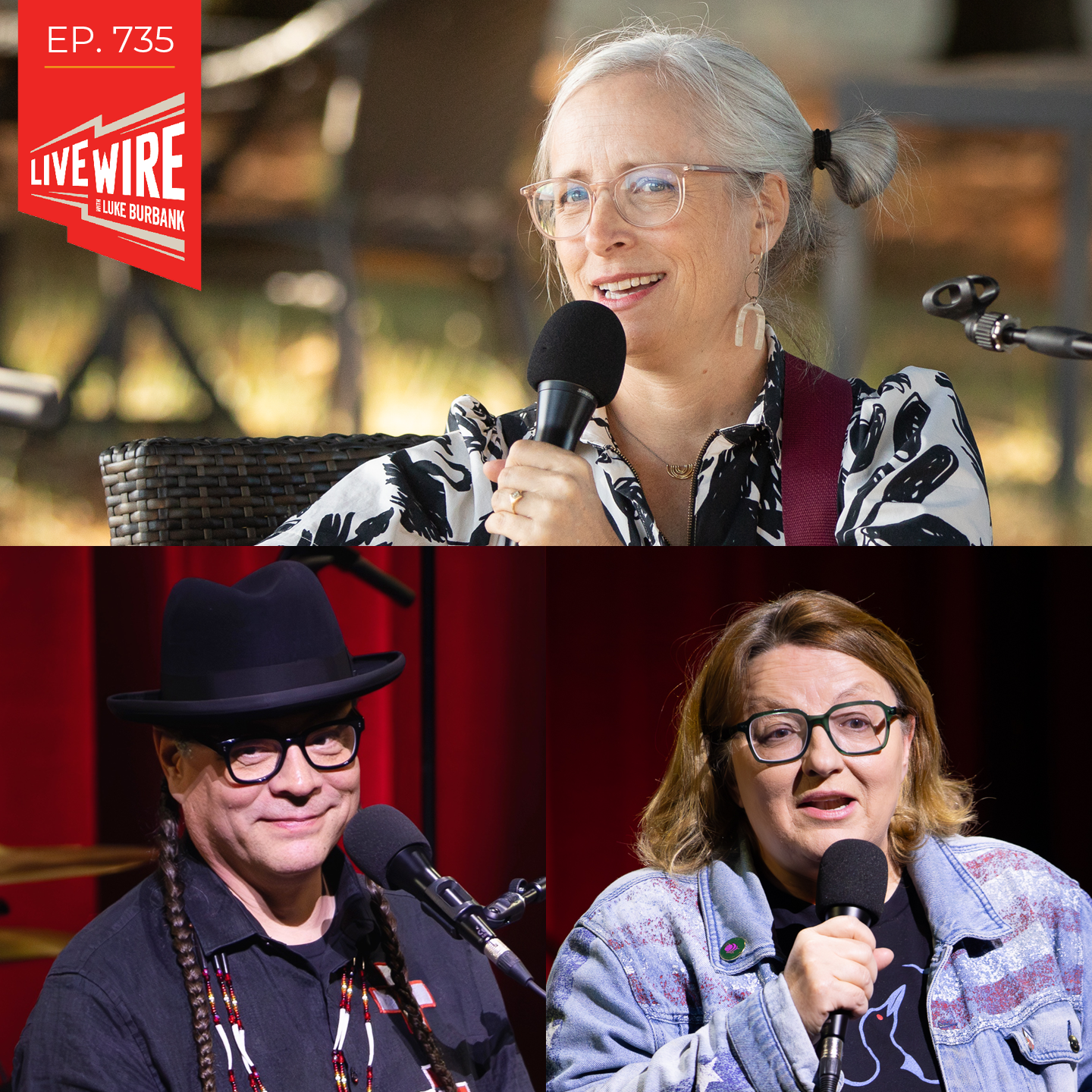
Chef and restaurateur Sean Sherman (a.k.a. The Sioux Chef) explores the historical significance and culinary potential of decolonized ingredients in his latest cookbook Turtle Island: Foods and Traditions of the Indigenous Peoples of North America; stand-up comedian Jackie Kashian unpacks her anger... and the business of fly fishing; and indie folk musician Laura Veirs finds the connection between weight lifting and songwriting, before performing her tune "Flying Into Darkness" from her latest album Temple Songs.
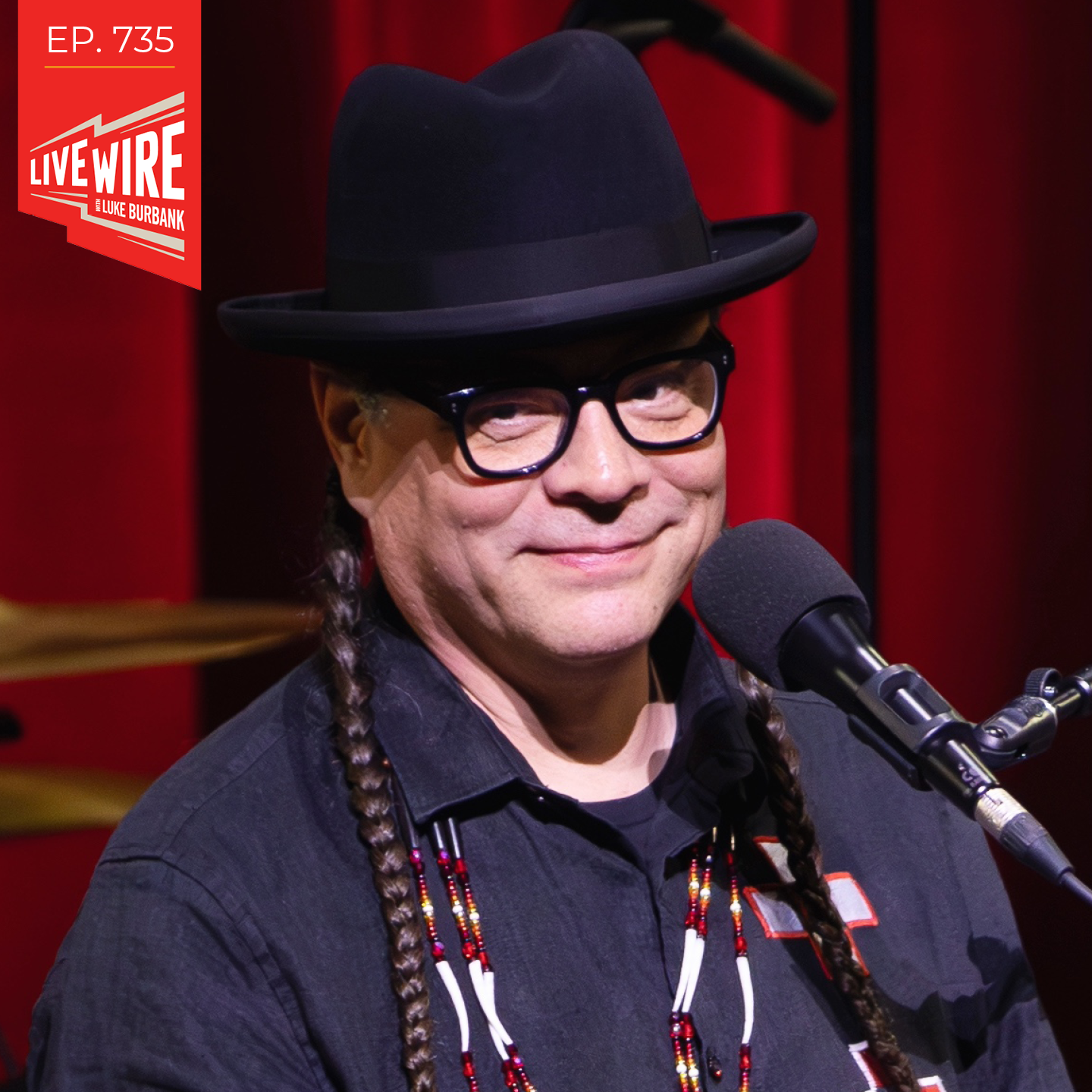
Sean Sherman
“The Sioux Chef,” Educator, and Author
Sean Sherman, Oglala Lakota, born on South Dakota’s Pine Ridge Reservation, is a chef and leader who has been cooking across the United States and the world for the past thirty years. His main culinary focus has been to raise awareness of and revitalize Native food systems in a modern culinary context. In 2014, he founded The Sioux Chef, a food education and catering project, in the Minneapolis/Saint Paul area. His first book, The Sioux Chef’s Indigenous Kitchen, was published in 2017 and won a James Beard award for American Cooking. His restaurant Owamni opened in Minneapolis in 2021 and was honored on many best new restaurant lists, winning the James Beard Award for Best New Restaurant. In 2023, Sean was named to TimeMagazine’s list of 100 most influential people. His new book, Turtle Island, is a beautiful exploration of the delicious foods that have for millennia linked the environments, traditions, history, and cultures of the Native communities of the North American continent, with ancestral and modern Indigenous recipes.
Website • Instagram • Facebook • Turtle Island • NĀTIFS
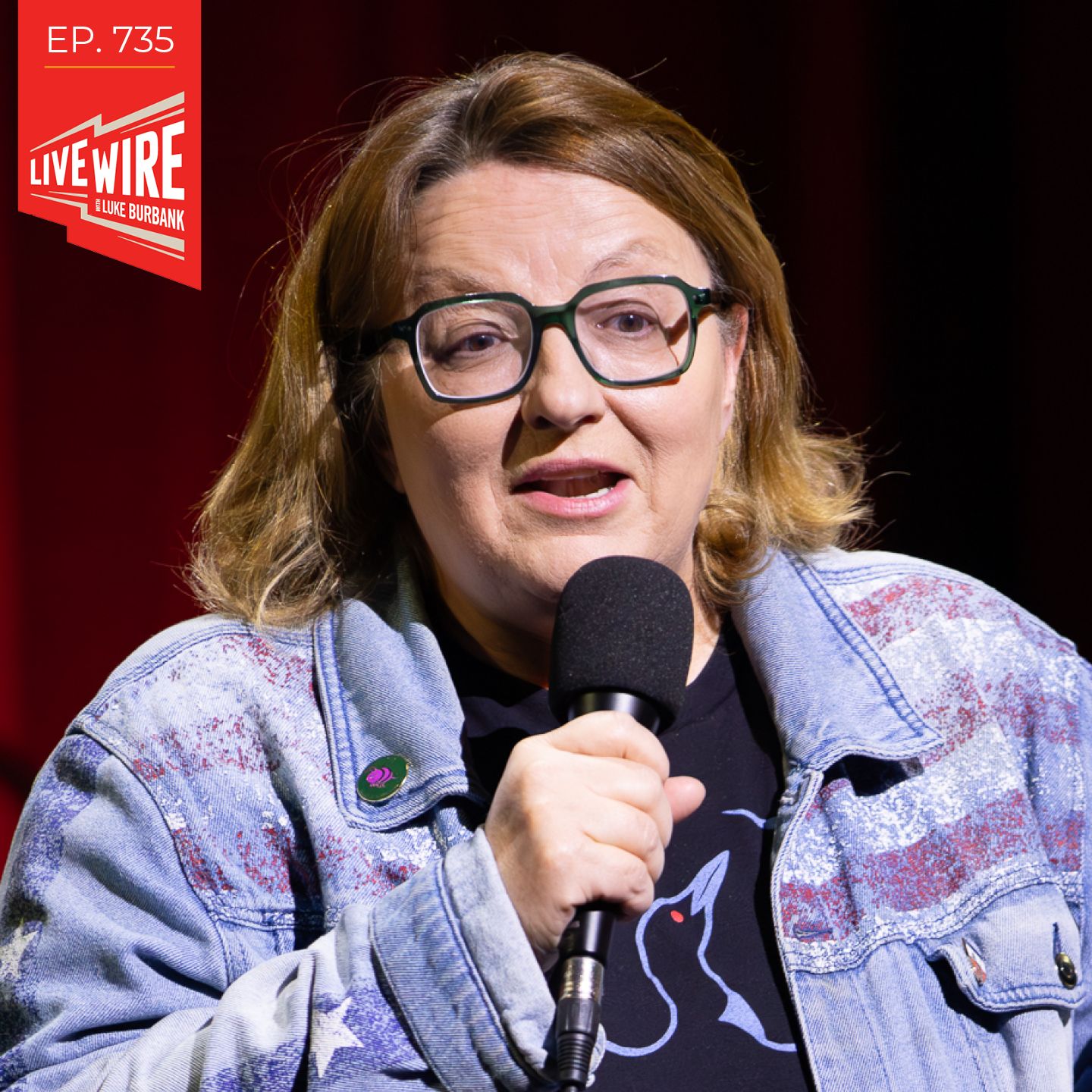
Jackie Kashian
Stand-Up Comedian
Jackie Kashian is a stand-up comedian who has been seen on After Midnight, Conan, Corden, HBO, Netflix, Comedy Central, and or heard on NPR and Audible. Her five comedy albums and specials have been #1 on Amazon and Apple and #3 on Billboard. In addition to two podcasts The Jackie and Laurie Show and The Dork Forest, you can also read her writing in The Comedy Film Nerds Guide to Movies and the comic book Comics Comics Quarterly. In her latest special, Alter-Kashian, Jackie returns with a new hour filled with all the excitement, drama, and hilarity that you've come to expect from one the greatest to ever do it.
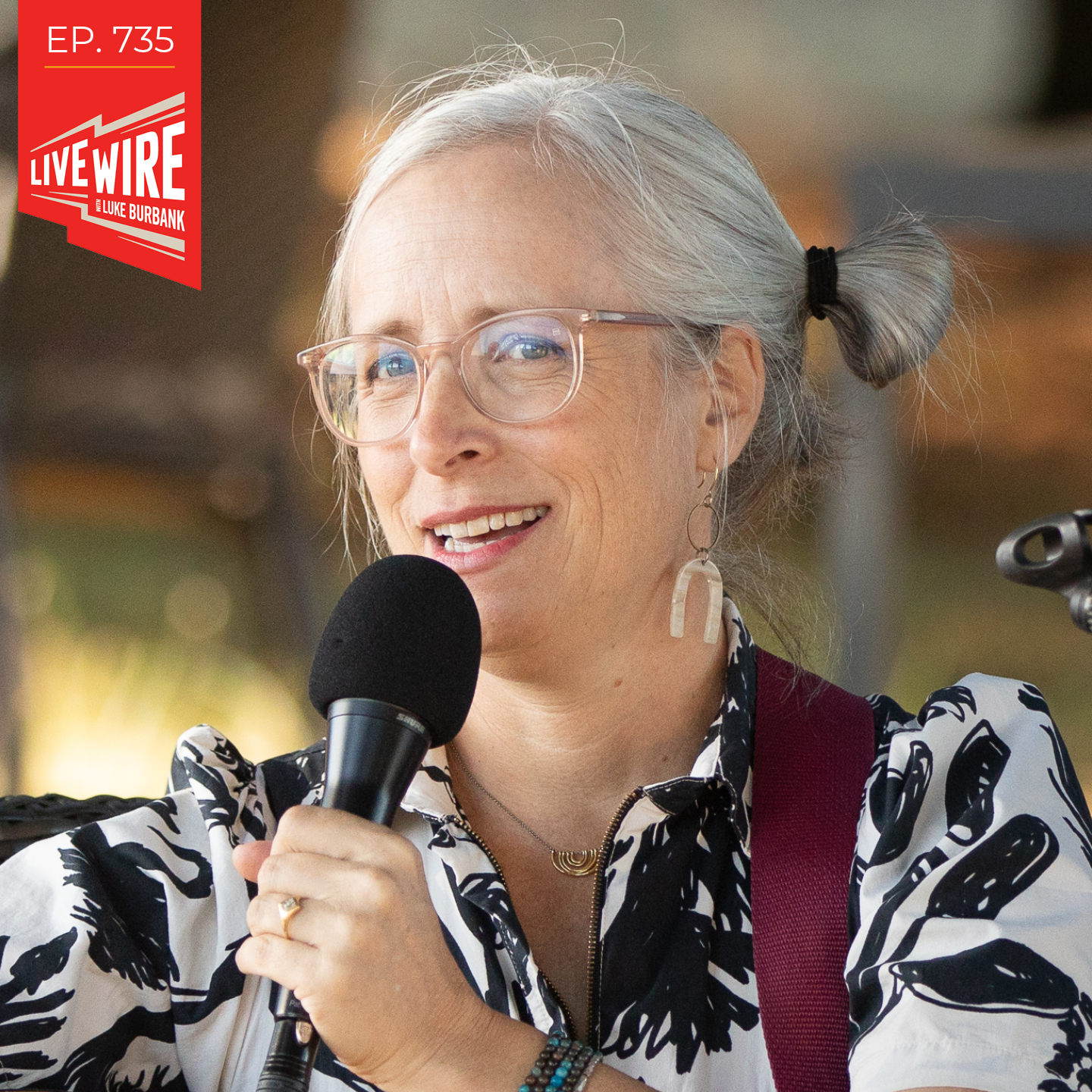
Laura Veirs
Singer-Songwriter
Singer-songwriter Laura Veirs has produced 14 albums over 25 years, toured internationally, and collaborated with luminaries such as kd lang, Neko Case, Sufjan Stevens, Jim James, The Decemberists, Bill Frisell, and many more. Her music blends the poetic sensibilities of folk with the rough edges of indie rock. She was inducted into the Oregon Music Hall of Fame in 2024. Temple Songs is the first album that Laura has written, recorded, arranged, produced, and performed entirely on her own. She made the album in her new backyard studio which she calls the Temple of Bloom, using no click tracks and no electronic instruments—working by feel and intuition while watching bamboo sway outside her studio window. At 52, Veirs has reconnected with herself through a radically new process: one that feels both fresh and profoundly earned.
Website • Instagram • Facebook • YouTube • Temple Songs
Show Notes
Best News
Elena’s story: “Twilight fandom helps fund Quileute Tribe’s move to higher ground”
Luke’s story: “Her flight was canceled. Strangers drove her 7 hours to her 90th birthday party.”
Sean Sherman
Sean’s new book is Turtle Island: Foods and Traditions of the Indigenous Peoples of North America.
Be sure to check out his project The Sioux Chef, his restaurant Indígena by Owamni, the non-profit North American Traditional Indigenous Food Systems (NĀTIFS) that he founded, and their initiative, the Indigenous Food Lab (Instagram).
Sean’s first book The Sioux Chef’s Indigenous Kitchen (2017) won a James Beard award for American Cooking.
Jackie Kashian
Jackie’s new stand-up special Alter-Kashian is available to watch on YouTube now.
Laura Veirs
Listen to Laura’s brand new solo album Temple Songs.
You can also purchase artwork made inside the Temple of Bloom studio here!
-
Portions of this transcript have been auto-generated.
Elena Passarello: From PRX, it's... Live Wire
This week, Chef Sean Sherman
Sean Sherman: So if we really look at all this massive, uh, knowledge base of indigenous peoples globally, especially with their food systems and the connection to the environment, we have so much to learn that can better all of us.
Elena Passarello: Stand-up comedian Jackie Kashian.
Jackie Kashian: But as far as I can tell, fly-fishing is just sales.
You're just standing on the shore going, "Can I interest you in this fly? Can I interest you in this fly? What about this fly?"
Elena Passarello: With music from Laura Veirs and our fabulous house band. I'm your announcer, Elena Passarello, and now
Jackie Kashian: the host of Live
Elena Passarello: Wire, Lou-
Luke Burbank: Thank you so much, Elena Passarello. Thanks to everybody for tuning in from all over these United States of America. We've got a heck of a show in store for you this week, all kinds of fun conversations and music and comedy. First, though, we gotta kick things off the way we always do, with a little segment we call The Best News We Heard All Week.
Best news
This right here is our reminder that there, uh, is in fact good news happening on planet Earth. Uh, you just gotta look for it, and we do, and we are presenting it to you right now. Elena, what is the best news that you heard all week?
Elena Passarello: Okay, Luke Burbank, I know you are a Washingtonian by birth.
Luke Burbank: Uh-huh. Well, not by birth, but by, uh, majority of life lived.
Elena Passarello: Does that mean that you were, like, contractually obligated to read the Twilight books?
Luke Burbank: I'm gonna be honest with you Those ones missed me. I was a little, uh, maybe mature, let's just say. I think I was in my 30s when those came out, so. But I am steeped in the lore of them
Elena Passarello: I am not super familiar with it, but I do know that it's this kind of vampire story, and then there are also these werewolves, and the werewolves are, in the novels and in the movies, connected with this indigenous community, the Quileute, who, who are actually a real indigenous people that live off the coast of Washington State, and they were kind of represented in this really kinda ham-fisted way in the books.
There was not a lot of legitimate research done into the practices of this very venerable community. So the Quileute tribe, 400 members of that tribe, live in a community called La Push, Washington, which is right on the Quileute River, which is a tidal river, and it is now super-duper in the tsunami zone.
And so they started this thing called the Move to Higher Ground project, and, um, in 20- 2012, the federal government gave them additional acreage that is away from the ocean, and they are building schools, government buildings, elder care centers, parks, in a much more sort of safe space. And the Twilight fan community has been supporting this move with donations.
There's a Facebook group, the name of which I don't think we can say on public radio. There's just an expletive in it, but it's a very funny kind of, I think, self-aware group of adult Twilight fans, people who've loved the books since middle school but now they're grown-ups, and maybe they're kind of learning a little bit about the s- the storytelling of Twilight, the ways in which it might be harmful.
And in the past five years, they've raised $117,000 to support this Move to Higher Ground project. And then other, um, I don't know what you'd call it, like, fantasy authors have participated as well. This one author is raffling off a character name in her next vampire novel. There's a cosmetics company called Glamlite, and they had released a Twilight-themed makeup kit, and then when they learned about this sort of story about the Quileute, the CEO, Giselle Hernandez, went to La Push and, uh, spent a lot of time with the community, made a donation, ultimately lost her licensure over it, but still, she's like, "Listen, these fans, they told me I needed to listen to this, this story that's attached to this book that they love, and I decided to do it."
And there's something about this particular kind of, uh, reparative justice, reparative action, that I can just really get behind. It's like the corporations aren't going to change so the consumers have to
Luke Burbank: Yeah, and you can be a fan of something. This, I mean, I-- we're gonna use the word art right now. You can be fan, a fan of this art, but then you can also kind of like learn about the parts of it that really maybe were not, uh, really particularly well thought out, and then you can come through and try to do, like you said, some repair on that.
The best news that I heard all week involved some travelers who got stranded in Calgary up there in Canada. A guy named Quinn Sedmak decided on this recent trip to violate his personal policy of being a solitary traveler. He said that normally he does that, but on this particular flight, which i- this leg of it was going from Calgary to Kelowna, British Columbia, he decided to start talking to his seatmate.
His seatmate was a woman named Patricia Robinson, age ninety. Patricia was trying to get out to visit her family. They had given her a trip to Kelowna for her ninetieth birthday, um, and they were all gonna hang out together. Well, they're all on this plane, she and Quinn, when the wildfire smoke that has been sweeping through the West and really, frankly, most of America these days, basically obscured the visuals for the airport that they were trying to go to in Kelowna, British Columbia, and the plane had to turn around and go back to Calgary So they go back, they land in Calgary.
Patricia and Quinn had been hitting it off. They're chatting it up on the plane. The guy behind them, a guy named Tanner, overhears them talking about their plans for what they're gonna do if their subsequent flights are canceled. Quinn and Tanner are like, "We gotta get back to Kelowna." It's a seven-hour drive, but they're like, "We just gotta do this."
So they decide to rent a car, and as they're walking to the rental car place, who do they see sitting there but 90-year-old Patricia Robinson- Oh, no ... who's also stranded. Yeah. And they're like, "Yo, Pat, do you wanna get in the ride with us?" And she says, "Absolutely." So the three of them jump into the rental car and embark on this seven-hour road trip together.
Patricia said she just texted her family and said, "I'm riding there with some guys. It'll be fine." Apparently a pretty chill family. Nobody was worried about 90-year-old Patricia. They make this trip together. They have a grand old time. One thing that was quite, uh, sweet actually, was this was a drive that Patricia used to make pretty frequently with her late husband.
So she said that just getting to see these spots and these recognizable landmarks and things was really kind of awesome for her, just as a way of reminiscing about, you know, a previous version of her life. They traded stories as they went on this drive, and when they got to, uh, the destination, they dropped Patricia off with her family, who was just kind of amazed that this whole thing had happened.
They took some pictures, and they put it on Facebook, of course, and now it's become this whole story up in Canada. Patricia says, in her nine decades of life, this is one of the highlights of her life- ... was getting to ride along with these two much younger fellas. In fact, Tanner's birthday is the same birthday as Patricia, and Tanner is 45, and Patricia is 90.
So on the next birthday that they each have, Patricia will continue to be turning double the age of Tanner-
Elena Passarello: Wow ...
Luke Burbank: her new buddy from the road trip. But, um, you know, in these fractious times, it's always nice to hear a story about some folks kinda looking out for each other and bonding over, over circumstances that could otherwise be a pretty big bummer.
So that right there, that's the best news I heard all week.
You're tuned into Live Wire Radio. Our first guest is a three-time James Beard Award-winning chef who grew up on South Dakota's Pine Ridge Reservation, where he always understood that his people's food was rich in flavor and heritage and was really connected to the land. But actually, it wasn't until he moved to Mexico when he was an adult, where he started learning about some of their ancestral food ways down there, that he actually decided to reconnect with his Lakota culinary heritage.
That journey turned him into maybe the leading figure in the indigenous food movement in the US. He's got a new book out. It's called Turtle Island, which reveals the unique and diverse native food ways here in North America. His name is Sean Sherman. He's also known as the Sioux Chef, and he joined us live at the Alberta Rose Theatre in Portland, Oregon.
Take a listen.
Sean Sherman, welcome to Live Wire
Sean Sherman: Thanks for having me
Luke Burbank: Um, uh, this book is absolutely phenomenal, um, and I can't wait to get into it. First, I would like to hear a little bit about your kind of origin story. Tell me about kinda where you grew up, and also what the food culture was like for you as a kid.
Sean Sherman: Absolutely. So I was born and raised on Pine Ridge, uh, Indian Reservation, which is in South Dakota, South Central. It's kind of along the Nebraska border. And, uh, you know, it's just a big, wide-open space. It's got some of the Badlands in South Dakota in that space, and, you know, we were just young kids growing up on the reservation.
We lived on, uh, my grandparents' ranch, um, so there was a lot of cattle around us and a lot of grassland, a lot of jackrabbits and rattlesnakes and all the things. And, you know, we were pretty feral at that age back then. Um-
Luke Burbank: It's funny 'cause reading your book, you know, I'm f- from the same generation, and I think people of my generation love to tell the story like, "We would just leave the house in the morning, and then come back when the streetlights turned on."
And then I read about your childhood. I was like, "No, that was really next level."
Sean Sherman: Yeah, yeah.
Luke Burbank: I was still in a city- ... with adults around. Um- You were, like, really just left to roam.
Sean Sherman: I feel like the, like, you know, the Boomers are just, like, their only rule for parenting was just stay the hell outside until dark.
Yes. Yeah. Um, but make sure you're home by dark, you know? Yeah. Yeah. And that was kind of the one parenting rule.
Luke Burbank: Yeah.
Sean Sherman: Um, but yeah, growing up on the reservation, like we r- um, you know, we had around... We had food, of course, but, you know, I was a product of Commodity Food Program Foods- Mm-hmm ... so we had a lot of government foods.
So there's these big cans of, like, government vegetables packed in sodium, and fruits packed in corn syrups, and literally gallons of corn syrup, and big government blocks of cheese- Mm ... and powdered milk, and all those kinds of things. And so we didn't really have a lot of Lakota food growing up because, you know, I was born and raised on a segregated, colonized community, basically.
Yeah. And so it wasn't until much later that I kinda found this path of really kind of trying to understand, like, why was my heritage food missing from the entire culinary scene across America? And why don't we have Native American restaurants in every single city across America on top of that?
Luke Burbank: Yeah.
You, you talk about in the book that there's this thing going around the sort of food world or the food community of people saying, "There's no American culinary tradition. There's no American food," because they're just thinking of, like, white people food that's made of French and Italian, et cetera, but you really push back on that idea.
Sean Sherman: Yeah, 'cause there's been, um, you know, generations upon generations of diverse peoples here from all over the place, and this book explores all of North America, Mexico through Alaska, just wiping away those colonial lines and just looking at that tapestry of diversity, you know? And there's so much to explore 'cause all the food is different, whether you're in the Pacific Northwest or the Great Lakes region or the South or northern m- northern Alaska or southern Mexico.
Like, all of these pe- places have amazing histories of agriculture, of understanding wild food systems, of game, seafood, wherever it might be. So there's so much to explore to really understand what is American food. Mm-hmm.
Luke Burbank: You had your first restaurant job at, uh, age 13?
Sean Sherman: Yep.
Luke Burbank: And then you ended up, you were, uh, uh, running an extremely , uh, busy it sounds like, sort of program at a casino where you were cooking like hundreds and hundreds of steaks a day.
Like did you take to sort of kitchen life? Did you like it, uh, working in kitchens?
Sean Sherman: I liked it bet- when I, when I was a kid, I liked it better than, uh, chugging papers in people's lawns in the middle of winter. Yeah, right. And so, uh, kitchens were warmer and there was free food around. And so, um, yeah, I just started working in restaurants when I was 13.
I don't think they cared how old you were in South Dakota- Uh-huh ... as long as you could do some work. But, um, I started doing that, so I did that all through high school and college, you know. And I, I took one little kind of stint outside of restaurants at that early age, and I worked for the US Forest Service for a season.
And, uh, I had to learn all the names of the plants and trees in the Northern Black Hills, which cam- comes in really handy down the road.
Luke Burbank: Yeah. Uh, you're listening to Live Wire from PRX. We're talking to award-winning chef, educator, and author Sean Sherman. We have to take a very quick break, but don't go anywhere.
Much more Live Wire coming your way in just a moment.
Hey, welcome back to Live Wire. From PRX, I'm Luke Burbank. We're at The Alberta Rose Theatre this week in Portland, Oregon. We're talking to Chef Sean Sherman about his cookbook, Turtle Island: Food and Traditions of the Indigenous Peoples of North America. Um, Turtle Island is the name of the book, and then I, I didn't realize...
I mean, what is that actually referring to from a geographical standpoint?
Sean Sherman: Well, a lot of tribes in North America kinda use this creation story of the world being, uh, born on the back of a turtle shell. And, um, so it's kind of in, like, Native understandings, Turtle Island just refers to North America. Um, so it's just...
If you're, you know, speaking with most Native communities, if you talked about Turtle Island, they would know exactly what you're talking about, meaning all of North America, which is our home.
Luke Burbank: Yeah. And it, by the way, it looks like a turtle.
Sean Sherman: It kind of does, yeah.
Luke Burbank: In the book, I was, like, shocked at, you know.
So you're talking from the, the, the northern reaches of, of Canada all the way down- And Alaska and Mexico ... and Alaska, all the way down to, to, to Mexico-
Sean Sherman: Yeah ...
Luke Burbank: is the regions that you've been looking into- Yeah ... and, and studied. Um, uh, so you, you write in the book that you, you know, you'd been working in the restaurant industry, you're working as a chef, and you get kind of burned out, so you went to Mexico- Mm-hmm
for a year. And that was when you actually started to see some of these kind of, like, connections that the local people had to their sort of food pathways. What were you seeing down there?
Sean Sherman: Yeah. I was living in the state of Nayarit, which was on the Pacific coast a little ways north of Puerto Vallarta.
And, uh, the, the Huichol were the, were the indigenous communities that were there. And you can see the Huichol art kind of all over Mexico, but especially that's where they're from, is that region. And I just started getting, um, you know, connecting with them and talking with them and learning about their histories and learnings about some of their traditions, and I just became really curious about them.
But I saw a lot of commonalities, because they had a lot of the similar artwork, a lot of similar creation, a lot of similar, like, spirit animals and spirits in the plants and all these things. We're just deeply connected. And I just kind of realized they were just kinda like long-distance cousins of mine, basically- Mm-hmm
'cause we're all indigenous to North America. And so it made me think about the food systems, 'cause I was thinking about what their, what they were eating, like, 'cause they were corn culture, too. Mm-hmm. And then I realized we were corn culture, like, way up north also. 'Cause, you know, I was born in the Dakotas, but we had tribes that were doing corn culture way up there, too.
And so it made me think, uh, or just realize that there was just that absence of any indigenous foods out there in the culinary world, you know? 'Cause I had studied all these European recipes and worked in Re- European restaurants, and I can name hundreds of European recipes off the top of my head in those languages, but I didn't know really anything about Lakota.
Luke Burbank: Yeah. Mm-hmm. So you decided in 2012 to kind of do this special meal that was like a decolonized- Yeah ... dinner where you, you, you created this, like, was it just multi-course meal for m- about 25 people?
Sean Sherman: Yeah, it was pretty small, the very first one. It was Anishinaabe Taste of Spring. The Anishinaabe are, um, the Chippewa, Ojibwe, um, living in, in Minnesota, um, in the north, and I was up in Red Lake area, around Bemidji, Minnesota.
And we just kinda put that together, and, uh, that was just kinda the start of some... Like, creating this philosophy of we wanted to showcase modern indigenous foods. We weren't trying to cook like it was 1491. We're not recreating the past, you know? We're- Right ... thinking about what's, what we're, what we're do- doing moving forward.
And so the philosophy was just taking away things that European immigrants brought over, so no dairy, no wheat flour, no cane sugar, no beef, pork, chicken, no ranch dressing, you know, and make- Whoa. Wait,
Luke Burbank: hold on now. Whoa,
Sean Sherman: whoa, whoa, whoa, whoa, whoa,
Luke Burbank: whoa, whoa. It's true. It's true. Chef, chef. Chef, let's not get crazy.
Sean Sherman: Oh, we got crazy.
Luke Burbank: I bet.
Sean Sherman: So, like, our restaurant in Minneapolis, everything's gluten-free, dairy-free, sugar-free, soy-free, pork-free. It's just not free.
Luke Burbank: Right.
Audience: Yeah.
Luke Burbank: Because those are, those are ingredients that were, that were brought over by the colonizers or were popularized. Yep. Those would've not been here, obviously, before white people got to North America.
Sean Sherman: Absolutely. Like, you know, dairy was for child-rearing, so most people stopped using dairy at a very young age, right? And, um, all these other pieces just weren't from there, and those animals, like cows, pigs, and chickens, weren't from the Americas, you know? So we... But we had a vast amount of other stuff, 'cause we focus on what are the wild plants of where we live?
What are the... What is their native agriculture, and what kind of seeds are still out there? Are there heirloom seeds that people are still utilizing and growing and connecting with a lot of those seed keepers? And then just looking at just the vastness of the diets, you know, 'cause as humans, we need building blocks, and we need to be able to have some kind of energy from carbs or fats, and what were people utilizing?
'Cause everybody figured out balanced diets, whether you're in the Arctic or the tropics, and it was just understanding all those pieces.
Luke Burbank: So do you then find yourself, I don't wanna say substituting, but if you're not gonna use cane sugar or, uh, pork or whatever, are you putting in things that would've existed back when it was just indigenous people here?
Or are you not trying to do... So, like, for instance, I don't eat a lot of meat, and there's a lot of stuff that is now made to be pretend meat.
Sean Sherman: Sure. Yeah.
Luke Burbank: And it's like I- over the course of, of me not eating meat, I've actually gone away from that now because, like, initially I was like, "Oh, I want it to taste exactly like a hamburger- Right
but it's not." Now I'm like, "No, I want something that's not a hamburger," you know? How do you do this where you're making these dishes, but you're taking out the stuff that w- we're so used to having, particularly in the restaurant experience? Are you trying to dupe or substitute things, or are you trying to go a completely different direction?
Sean Sherman: Yeah, it's completely different 'cause we're not trying to recreate European recipes, 'cause we just remove the Eurocentrism of it completely and we're just looking at... So if we're using something like a sunchoke or something like that, then we're looking at all the different ways we can manip- manipulate it and do something with it.
So at our restaurant, probably 60% of the menu is plant-based because we're not putting cheese and dairy and butter in everything, you know? Mm-hmm. And so it's really easy for us. We're just really dietary friendly. It just happens to be probably one of the best diets on the planet, you know? Uh, and it just happens to be the indigenous diet of North America.
And so we just really kinda focus on those. But we're just creating, you know? We're creating for the future. I feel like I'm a futurist. I feel like this book is about the future. It's about what would food look like if we brought in the indigenous, like, backbone of everything and, 'cause it's always been kind of ignored and barely mentioned at all.
'Cause we still really don't know much about indigenous peoples if we just l- look at our high school text. And we're in a world where they're still stripping away Black and indigenous histories right now today. Oh
Luke Burbank: yeah, that's not going in the right direction-
Sean Sherman: No, not at all ...
Luke Burbank: currently, at all.
Sean Sherman: Not at all.
Luke Burbank: Yeah.
Sean Sherman: But yeah, we're very proud of it. It's a big book, and there's a lot of stories. There's a lot of history in there, and it's probably banned in Florida.
Audience: Yay.
Luke Burbank: Honestly, that might work in your favor. I don't know. That's kind of a mark of, of honor. We're talking to Chef Sean Sherman about his book, Turtle Island: Foods and Traditions of the Indigenous Peoples of North America. It is a cookbook with a lot of recipes in it, but it's much more than that. Mm-hmm. And that's something that you write in the book.
You're like, "This is a cookbook, but I want it to be more than that." What, what also do you want it to be?
Sean Sherman: We wanted to talk about some very difficult histories that happened in different regions. We wanted to talk about just this indigenous perspective, you know, because we're on the cusp of the 250th anniversary of America.
And we know we're living... Like, the Founding Fathers had a vision where we probably didn't exist in their future, 250 years later. You know, so I feel very proud that we're putting something out there that can really show us how we can really reconnect with food, really connect with environment, and just look at, at how indigenous peoples are connected on a global scale.
'Cause this is more than just thinking about Native Americans in America, but indigenous peoples from the globe. You know, because there's indigenous peoples affected by colonialism no matter where you are. It could be North America, Central America, South America, Africa, India, Southeast Asia, Australia, New Zealand, Hawaii.
The list goes on, you know? And so if we really look at all this massive, uh, knowledge base of indigenous peoples globally, especially with their food systems and their connection to the environment, we have so much to learn that can better all of us. Is there-
Luke Burbank: I know that, um Probably legally, your publisher doesn't want you to make such claims. But I would imagine there's also a health benefit to, just generally speaking, what we understand about food and our bodies is consuming things that are occurring closer to us , you know, is usually a better idea than something that's been brought in or has been shelf-stable for forever or whatever.
You know what I mean? Absolutely. Like, kind of the, the premise of this book seems to be there's food all around us. Uh, a lot of us just haven't been tapping into it.
Sean Sherman: Absolutely. You know, and as much as RFK's upside-down food pyramid- ... really strikes a chord in so many of us, um, you know, I just think that there's so much health in this, 'cause that's what this is about.
'Cause, like, we didn't have healthy food growing up on the reservation, and there's still... Like, on my reservation especially, 'cause it's been one of the poorest areas in the United States- Mm ... we have parts where it's 60% Type 2 diabetes because of the food access that we have. So a lot of this work that we're doing is really trying to change that food access and get people to understand if we had access to healthier foods, we could really change the way we are.
So this food happens to be really, really healthy for everybody, anybody who touches it. And, you know, and I even just went as far as creating a whole different diet program out of this a little bit called the RING Diet, where I'm looking at each region as different. So it's Regional Indigenous Nutritional Guide to...
as kind of a rebuttal towards the upside-down pyramid, which was kinda lazy, just a little bit. And, but, like, you know, putting water- He's
Luke Burbank: tired from doing push-ups with Kid Rock.
Sean Sherman: But yeah, exactly. What do you expect? But, you know, I put water in the center 'cause I don't know why water's not included with the nutritional guide- Yeah
anyways. Yeah. And then I have all the indigenous, like, historic indigenous for, like, foods around that, and then the modern indigenous availabilities. And then it's more of a challenge of how can you implement some of these into a weekly diet, not a re- regular diet. But you can look at every region, you know, and you can do it basically globally if you wanted to also.
Luke Burbank: Is it, for people that haven't, um, eaten this food much, is it, um, an adjustment for the palate? Is there a learning curve to, to have some of those ingredients that we're so used to not be part of it?
Sean Sherman: Yeah, I mean, uh, we're addicted to a lot of bad foods. Um, you know, we are microdosing glyphosate pretty much every day because it's in everything that we're eating.
And then we go to the grocery store- What is, what's
Luke Burbank: glyphosate?
Sean Sherman: Just the chemicals they're spraying on all of the GMO stuff that's out there. Ah. You know, the weed killers and things like that. And they're really dangerous chemicals, and we shouldn't be eating them, but they're getting into all of our food systems and our waters and, you know, it's really dangerous with what's going into our food.
So that's just why it's really important we understand who we're purchasing foods from and who we're supporting. So the big work that we're doing is, um, you know, with the restaurants. The restaurants are just a tool for part of the work that we're doing because the restaurant creates a lot of jobs, it moves a lot of food dollars to Indigenous producers, 'cause that's who we prioritize purchasing from.
It creates a lot of attention. But we also know restaurants can't create food access because it's a privilege to go to a restaurant. Not a lot of families have expendable cash to go to an expensive downtown restaurant all the time. So we have other s- programs to, like, make foods for just schools and hospitals, especially for those rural communities.
But making sure that every recipe we create has an Indigenous food product in it, so food dollars are going to those producers. And we're just getting people used to, hopefully, in the future, used to healthier food, you know? And a lot of this work, you know, we're just trying to do this kind of all over the country, so we built this big model in Minnesota.
We're about to start building out in Montana, and then Alaska, and then South Dakota, but then our goal is to kind of hit center points all over the place just to be support systems to help people, especially tribal communities, have ac- access to healthier food. Um, 'cause it's all about food sovereignty, but also educational sovereignty because we're also pushing a lot of indigenous education out there too.
So we have a YouTube channel called Indigenous Food Lab with probably 230 videos up already. Wow. And that's gonna continue to grow, but we're just creating a system that will grow. And this doesn't even have to happen in my lifetime, 'cause really it's just about what can you do for the next generation, and that's really what this is all about.
Luke Burbank: What's the response been?
Sean Sherman: It's been like that.
Luke Burbank: Yeah. What has the, what's the response been in some of those communities, particularly indigenous communities, where you've come and said, "Hey, uh, there's all this history here that maybe we don't even know about that we can connect to"?
Sean Sherman: Well, we've seen, um, a lot of movement and growth in the indigenous food sovereignty movement happening across the country, and we're seeing more restaurants.
You guys have Javelina Restaurant here in town. Yeah. I was, I was just there for lunch visiting with them, but you know, and we just wanna see more Native restaurants, um, from Native people, and really, like, doing that intention of purchasing local Native food. 'Cause when I was at Javelina today, like, her friend was dropping off the first run of salmon, you know, and so she's purchasing super locally, and those are good intentions to have because you're pushing, you're keeping your food dollars in your own community.
Luke Burbank: Um, a- as I mentioned, this book, uh, Turtle Island by Sean Sherman, Foods and Traditions of the Indigenous Peoples of North America, it is, it is a cookbook, it's a, it's a history book. It's beautiful, by the way. The photography, the layout. Like, this has already taken a place of honor in my kitchen where I have the cookbooks.
I know that you kind of basically had a culinary education because of cookbooks. I know it's a, it's a, a format that's near and dear to your heart. You-- There was a period of time where you were trying to learn everything you could about food, but you couldn't afford to buy cookbooks- Right ... so you'd just go, what, read them in the store?
Sean Sherman: Yeah. Yeah, there was... I would, before work, I'd go to this bookstore just down the street from where I worked and just sit in the cookbook aisle and read and pick up little, make little notes and store a bunch of stuff in my head and put it back on the shelf and walk away. And those
Elena Passarello: books- Which is not what you do with this
Sean Sherman: book.
No. No, no, no. Right? You- You, you, you purchase it, and,
Luke Burbank: uh, you treasure it, and you pass it on. You buy two copies. That's right. Um, but I wonder what it's like for you because I'm imagining that those books that you were reading, those cookbooks that you were reading in that aisle, were probably mostly focused on, on sort of, you know, European food and things like that.
For, now for you to have created this book that somebody else could be, you know, utilizing in, in the same way, except this is now part of the, part of the conversation. What's that feel like for you?
Sean Sherman: Yeah, I mean, I would always tease early on that when I was doing this work, I couldn't just go online and order Joy of Native American Cooking 'cause it just didn't exist.
Uh-huh. Right. So I had to basically create it, you know? Yeah, yeah. And that's what these books are. So this is the second book. The first book was called The Sioux Chef's Indigenous Kitchen- Yeah ... which just kinda laid out the philosophy, and it was, it's a smaller book compared to this one. But it, it was an important book, and I won a James Beard Award, and, uh, it's been, it's been a great book too.
But this one was just trying to do something that didn't exist and trying to create something from a perspective that we don't always see, um, and trying to challenge the way people think about food, especially food in America.
Luke Burbank: Is there a recipe in this book, um, asking for a friend- ... who happens to have the book at their house-
but who is maybe still kind of figuring out the angles on, uh, cooking. Is there a recipe that's a good way into this, that's in this book, a good way into this book and into this style of cooking and thinking about food that's- Well- ... maybe not overly ambitious?
Sean Sherman: This book was kind of broken out into 13 regions because on the back of a turtle shell, there's actually 13 segments, which are also- ceremonial use for moons, 'cause there's 13 moons too, so they're very seasonal, right?
And so this book is a little bit different because it explores each region, and each region it was kind of the challenge of, like, what would the, what would a modern indigenous, like, recipe look like for this particular area? Thinking about the wild plants, the, the fish or seafood if you're on the coastal regions, or some of the land animals that might be there, and then building recipes out of that.
So I assumed that most people when they got this book would probably look at their section first- Right ... of where they're from, and just think about that. Yeah. And then maybe try to attempt to make some of those recipes, you know? And so, 'cause think about, like, implementing some wild foods into the diet, you know, and gathering some things while they're in season, and it's just kind of a challenge.
Like, looking around the yard, and I always tease that, uh, our kids can name more Kardashians than tree species, because that's- Ha ... our education system, you know?
Luke Burbank: Are you saying a Kardashian is not a species of tree?
Sean Sherman: It might be, I don't know.
Luke Burbank: Right. Yeah. Uh, well, it's a, it's an incredible work of, of research and writing, and also, um, uh, recipe ideas.
It's Turtle Island: Foods and Traditions of the Indigenous Peoples of North America by Chef Sean Sherman. Chef, thank you so much for coming on Live Wire.
Sean Sherman: Thanks so much for having me. Thank you.
Luke Burbank: Live Wire is once again partnering with the Portland Book Festival for a full-day event centered around books and storytelling. On November 7th, the Portland Book Festival will offer author panels, a book fair, pop-up events, workshops, readings, and even something new and unexpected. It will also feature an expanded program in collaboration with some of the city's prominent voices in arts and culture, connecting the community through literature, music, food, and visual art.
More details can be found at pdxbookfest.org. That's pdxbookfest.org.
Hey there, it's Luke. Did you know that Live Wire is also available as a podcast? Of course it is. Everything's a podcast now, and our podcast features the same engaging conversations, live music, original comedy, and all the stuff that you love about the Live Wire radio show. But now you can listen when you want to, where you want to.
Go over to livewireradio.org to download the podcast or get it anywhere you get that kind of stuff.
You're tuned in to Live Wire. Let's get our next guest on out here. Perhaps you've seen her on Conan or Corden or After Midnight or on HBO or Netflix or Comedy Central or a million other places. She's been doing stand-up for a long time. Her latest special is AlterCation, and it was shot right here in Portland, Oregon, which is also, of course, where we record Live Wire, because this town really loves her.
It's Jackie Kashian, recorded live at the Alberta Rose Theatre in Portland.
Jackie Kashian: What is happening? Uh, okay. I just need to say that I love the United States. I love the Constitution. I love the Declaration of Independence. I love the ideals. I love the dream, which is why I'm entirely made of rage. Uh, I am an adult human woman, and so I'm made of bees right now. Actually, if you were to scratch me, bees, bees would come out of me with opposable thumbs that just wanna punch Nazis and provide safe abortions.
And, uh- Yeah People are like, "You could tell that joke in Portland." I could tell that joke next to a well in Alabama. There's, uh, some angry people in this world, and I, I have a great deal of rage. And, uh, did you ever see Speed 2? Yeah. Oh, it's a t- what? It's a terrible movie. It's a terrible- ... terrible movie.
There's no reason to have seen it. Uh, but if you, uh, if you have not, it's about a boat that goes towards the land for an hour and a half. And for some reason, no one can stop the boat. The guy that isn't Keanu can't stop it. Sandra Bullock can't stop it. Uh, they can't turn the boat. They can't stop the boat.
Nobody can get off the boat. We're on the boat.
Oh my gosh. I used to judge Germany
That's the end of that joke
'Cause I wanna know. I wanna know what to do, right? I mean, what can I do, right? This is a middle-aged white lady. You might look at me and go, "Hey, it's my favorite aunt." Uh, but you could also look at me and go, "Oh, is she gonna take 500 years of institutionalized racism and make it about a parking space?" You can't tell.
You can't tell. Not until I open up my joke hole and try to use my powers for good. Uh- I mean, I don't know. 10 years ago, a friend of mine told me that I should get a gun. Oh my God, there's so many reasons I shouldn't get a gun. Motor skills immediately come to mind. Main reason I shouldn't get a gun, of course, is how much I want a gun.
Oh my gosh. The most American statement I ever thought in my life was, "I bet I could fix this with a gun." Oh my gosh, no. And I would be the worst gun owner you've ever met in your life. In Oregon, you've met some gun owners. I would be the most open carry. I wouldn't even own a holster. I would just wander around with it.
Just going, "Oh my gosh, I've got a gun." I would wake up every morning going, "Where is it?" "Did I leave it in the bathroom- ... with my phone?" And I don't come from gun people, I come from salespeople. Yeah. I'm the youngest of six. I have four older brothers that were born, then my sister, and then myself, and my- they're all in sales.
My dad's in sales. He's 89, still working the room. Uh, all five of my siblings, in sales. Two of my older brothers, it's money laundering, but it's a lot like sales. There's no guns. Everyone who had a gun when I was a kid in Wisconsin was some sort of hunter-gatherer person, right? The closest we come to that is my brother Phil, who is a print salesman and a fly fisherman, which is an outdoor activity.
I don't know a lot about it. I've seen the movie. Uh- But as far as I can tell, fly fishing is just sales. You're just standing on the shore going, "Can I interest you in this fly? Can I interest you in this fly?" "What about this fly? What do I gotta do to get you onto a fly today?" There's no guns
My dad one time bought, uh, bought a gun, and I've had, what, four one-on-one conversations with the guy in my entire life before the age of 18. Why? 'Cause I'm the youngest of six. We were rarely alone. Anyway, so I'm nine years old. My dad, in addition to being a big, uh, uh, sales guy, is a big gambler. He's not good at it.
He's not bad at it. We always lived indoors. I always wanted a bike. Okay, so- I'm nine years old, my dad comes home, and he goes, "I get to play poker in this game, but to play poker in this game you have to have a gun 'cause there's so much, uh, money it might get robbed, so I bought a gun. Do you wanna see it?"
Yes. I'm a child. Of course I wanna see it. And he's a child. So we go out to the car and we open the trunk, we open a box. My father has bought a pair of pearl-handled derringers. Like keychain guns, like he's Maverick, right? Like pew, pew. I was like, "Are they guns?" And he's like, "Yeah, they're collector's items.
You can't fire them. They lose all their value." And I was like, "Wait. Will they count as a gun in the game?" He's like, "They'll count. They'll count." And then I asked the real question, "What if somebody does try to rob the game? You won't have a gun." And he's like, "What do I need a gun for? Everyone else will have a gun."
Nothing sums up my father's time in the Marine Corps- ... more than that statement. Whenever you thank my father for his service, he always goes, "You don't know
He's not wrong. He's not wrong. At best, I think of him in a MASH-like existence where he's stealing Jeeps And I'm not a violent person. That's actually not true. I'm an incredibly unsuccessful violent person. There was so much violence in my childhood. Before the age of seven, there was so much hitting. Uh, and then my mother died and took, uh, 98% of the hitting with her.
Now, uh, then there was a leadership vacuum in hitting, and two of my older brothers desperately wanted to fulfill that vacuum. But my father remarried almost immediately, 'cause that's what you do when you have six children under the age of 17. Chop, chop, and then remarry. And, uh, he married Nancy Kashian.
Nancy Kashian, a great loss to the Austrian army. She was everything from The Sound of Music except a Nazi. Uh, she was... There was singing, there was dancing, there were charts, there were graphs. She was a badass. She was like, "Why is there so much hitting? Stop hitting each other." And we're like, "What a good idea."
"We're not gonna hit each other when you're around." And I have probably gotten... I punched, I don't know, I've gotten in a couple of fights in my life, but I've only picked a fight one time. One time I tried to be a bully. I was 11 years old, and I tried to bully a girl who was eight years old. That's right.
She beat me up. Yeah. That's right. No fighter. So, uh, I go home with a bloody nose, and Nancy Kashian says, "What the hell happened to you?" And I said, "Oh, I picked a fight with a girl, and she beat me up." And Nancy Kashian said, "Good. Why? Why did you pick a fight with her?" And I said, "Oh, I was in a bad mood and I wanted to punch someone."
And she said, "That is not why we hit people." And I said, "That has actually not been my experience." And she said, "You should be a pacifist. I'm a pacifist." And so for decades I have thought that I was a pacifist, and then I've recently looked up the definition of pacifism, and I've never been a pacifist. Oh my gosh.
A pacifist believes that there is a, a, a peaceful solution to every problem. I've never believed this. When I was 15, I had saved up for a bike, and I was babysitting these two kids, and the three of us were riding our bikes, and three 14-year-old boys stopped us and tried to steal our bikes. And, uh, so I lost my tiny lizard mind, and I picked up my kinda crummy bike, and I started beating them with the bike.
I didn't really win that fight so much as they were like, "Hey, she's nuts." Thanks a lot, you guys.
Luke Burbank: That was Jackie Kashian, recorded at the Alberta Rose Theater in Portland, Oregon. Her latest stand-up special, Alterkashian, is streaming right now on YouTube. It's Live Wire Radio. We have to take a very quick break, but do not touch that dial. Do people still have dials? Don't touch whatever changes the radio station, okay?
'Cause when we return, you're gonna hear from singer-songwriter Laura Veirs. We got more Live Wire coming your way in just a moment.
This is Live Wire Radio. Before we get to our musical guest, Laura Veirs, a little preview of what we are doing next week on Live Wire. We are gonna be joined by humorist Tamara Yahia. She is gonna unpack this incredible memoir that she wrote called Cry For Me Argentina: My Life as a Failed Child Star, in which she details her young life.
She was bouncing around between Argentina and the greater Los Angeles area while she was dealing with insecurity and trying to make it as a child star. We've also got some comedy from Portland comic legend Susan Rice. Susan was a comedian back in the '80s, and she had sort of transitioned out of stand-up comedy, and really thought her career was winding down when, at the age of 72, one of her comedy clips went viral, and she's had this whole resurgence of her career, which has been really, really cool to see.
Then we've got music from singer-songwriter Anna Tivel. So that's the plan for next week's episode of Live Wire. It's gonna be a good one. Don't miss it. You're tuned in to Live Wire. Our musical guest this week is an Oregon legend, and that was confirmed back in 2024 when she was actually inducted into the Oregon Music Hall of Fame.
Laura Veirs has toured the world and collaborated with the likes of k.d. lang, Neko Case, and Sufjan Stevens, plus many more. Her music blends the poetic sensibilities of folk with the kind of rough edges of indie rock. Uh, she recently released her 14th studio album. It's called Temple Songs. Pitchfork says it's, "A respite from the chaos, filled with lilting melodies and hopeful reflections."
And hoo boy, who couldn't use a respite from the chaos right now? Uh, she also played almost every instrument on this album, and she recorded it herself at her house, which she told us about during a special event we recorded at Domaine Drouhin winery in Oregon. This is Laura Veirs on Live Wire. Take a listen.
Sean Sherman: What
Luke Burbank: was that like for you to, like, be that sort of granular with every single sound that people are hearing on the album?
Laura Veirs: Um, it was an intentional choice that I made. I built a studio in my backyard for, basically to get away from my blended family, and - Sure.
Luke Burbank: You know they might hear this.
Laura Veirs: No, they- I love them and, and they love me, but it's a household with four teenagers, so- Oh, yeah
um, it's very- I would
Luke Burbank: build a studio in a different state. I don't think the backyard is far enough.
Laura Veirs: I know. I only got six steps away from the house. But, um, it's only... My studio is called the Temple of Bloom, and I- Yeah ... it's only 10 feet by 14 feet, but when I built it, I was thinking, "Okay, I need a place to teach," 'cause I teach Zoom lessons and coach people on songwriting and recording and stuff, and releasing albums.
And then I also wanted a place to paint, where I do visual art, and I also wanted a place to do emails, 'cause there's a lot of business to always be done, and then write. I'm trying to write a book. And then it accidentally ended up being a place where I could record music. I didn't build it that way.
Luke Burbank: Oh, really?
That wasn't the
Laura Veirs: design? It wasn't built as a, as a studio.
Luke Burbank: Huh.
Laura Veirs: I had just gone through a few years of not really wanting to make music and not writing songs, like four years, where- which was weird for me, because I've been writing songs since I was 19. I'm 52. So if songs aren't coming to me, I don't care.
Like, I'm gonna do other things. I'm gonna teach. I'm gonna do art. I'm gonna-
Luke Burbank: You're gonna lift weights?
Laura Veirs: I lifted weights. I have- Which is in one of
Luke Burbank: the videos-
Laura Veirs: Yes, I started a weightlifting practice- ... for this
Luke Burbank: album ... which is- That's a video for, what's the song?
Laura Veirs: It's called Pulse.
Luke Burbank: The song Pulse off of this album, the video is you doing, like, a full workout- Yeah
circuit- Yes ... including lifting some pretty heavy weights.
Laura Veirs: I can deadlift 110 pounds currently.
Luke Burbank: Does that help you play guitar harder? Oh,
Laura Veirs: yeah. I'm a much
Luke Burbank: better- Like, what is- ... guitar player. Like, seriously, does there, is there a crossover between that kind of physicality and the physicality of, of playing an instrument, or at least just, I don't know, where your brain is at?
Laura Veirs: Definitely. I would not say that it's directly related to, like, strength with guitar playing, 'cause that's more grip strength, although, I mean, you do need grip strength for weight training. But, um, the exercise really helps with my mental health, and then as an extension, the health of my career and the pr- my productivity as an artist.
Luke Burbank: Um, so the songwriting sounds like kind of came back to you- It did ... or the, the impulse to do that.
Laura Veirs: It was an intentional thing 'cause I keep a five-year journal. I looked back on that recently and I saw in September of 2024, it said, "I want to self-produce an album someday. I wanna play everything and do everything."
And then I noticed the next year, s- September 2025, it was like, "I'm starting to re- record my first album in the studio, in, in my backyard studio. I think it's... I'm having fun. I think it's gonna go okay." And then I did end up do- Making like a strict set of rules for myself and, and like a determined commitment to making the record myself because I have been like very deferential in my creative life to other people.
Mm. And so many musicians and producers have been, been amazing. But I was like, "I don't wanna defer to anyone except myself today." I'd never played bass or, or drums on a record, but I was like, I have these instruments lying around, just kinda like crappy stuff from the basement, kid stuff. But like my guitars are good, but the rest of the stuff you hear on there is just like kid stuff.
Audience: Hm.
Laura Veirs: But I was also very committed to I wanna try to, as a 52-year-old, see what I can do with trusting myself at this stage in my career. Like how can I get this monkey off my shoulder that's telling me I don't know what I'm doing? And that is eventually what I did. And it only... Once I set up the parameters for recording, I finished it in three months.
Luke Burbank: Wow. Um, all right, well Laura Veirs, thank you so much for being with us here on Live Wire. Can we hear a little music?
Laura Veirs: For sure. Thank you.
Luke Burbank: All right.
Laura Veirs: This next one is called Flying Into Darkness that I wrote on a plane last October going to a writer's retreat in Fairbanks. So it was going into literal darkness. But I was feeling a sense of confusion about the direction of the world and my place in it, and how to help and make things better. And I had a gin and tonic, and then wrote the lyrics on the plane.
Oh. But, uh, then the music just happened super fast when I got to my little s- uh, cabin where I was staying in, and the song was done. So it's just fun how sometimes they come out. Like, the lyrics came out all done, just didn't need to edit them or anything. And then this song I like 'cause, um, it only has two chords.
Which I think is interesting. Like, a lot of my songs on my new album only have two chords, and I think that's just... I didn't try to do that, it's just I feel like I'm moving to a simpler place or something, a smaller brain. I don't know what's happening, but, um, I think just enjoying simplicity is what it is.
Okay.
[Laura Veirs performs “Flying Into Darkness.”]
Thank you so much.
Luke Burbank: That was Laura Veirs, recorded live at Domaine Drouhin Oregon Winery. Laura's latest album is Temple Songs, and it's out and available right now.
All right, that's gonna do it for this week's episode of Live Wire. A huge thanks to our guests, Sean Sherman, Jackie Kashian, and Laura Veirs.
Elena Passarello: Laura Hadden is our executive producer. Tim Harkins is our executive director, and our producer and editor is Melanie Sevcenko. Eben Hoffer is our technical director.
Tré Hester is our assistant editor, and Ashley Park is our marketing manager.
Luke Burbank: Our house sound is by D. Neil Blake, and our house band is Ethan Fox Tucker, Sam Pinkerton, Ayal Alves, and A. Walker Spring, who also composes our music. This week's episode was mixed by Eben Hoffer and Tré Hester.
Elena Passarello: Additional funding provided by the Oregon Arts Commission, a state agency funded by the state of Oregon and the National Endowment for the Arts.
Live Wire was created by Robyn Tenenbaum and Kate Sokoloff.
Luke Burbank: This week, we'd like to thank members Tessa Hanover of Portland, Oregon, and Leigh Noble of Seattle, Washington. For more information about our show or how you can listen to our podcast, head on over to LiveWireRadio.org. I'm Luke Burbank for Elena Passarello and the whole Live Wire team, thank you for listening, and we will see you next week!
PRX.
Staff Credits
Laura Hadden is our Executive Producer, Tim Harkins is our Executive Director, and our Producer and Editor is Melanie Sevcenko. Eben Hoffer is our Technical Director, Tré Hester is our Assistant Editor, and Ashley Park is our Marketing Manager. Our house sound is by D. Neil Blake. Our house band is Ethan Fox Tucker, Sam Pinkerton, Ayal Alves, and A. Walker Spring, who also composes our music. This episode was mixed by Eben Hoffer and Tré Hester. Additional funding provided by the Oregon Arts Commission, a state agency funded by the state of Oregon and the National Endowment for the Arts. Live Wire was created by Robyn Tenenbaum and Kate Sokoloff. Special thanks this episode to Live Wire members Tessa Hanover of Portland, OR and Leigh Noble of Seattle, WA.
