Episode 715
Cheryl Strayed, Skyler Higley, and Patterson Hood

Acclaimed author Cheryl Strayed (Wild, Tiny Beautiful Things) breaks down the intersection of fear and courage, as explored in her new podcast Mind Over Mountain, which features interviews with women athletes and adventurers; stand-up comedian Skyler Higley shares his conspiracy theory about milk; and singer-songwriter Patterson Hood, of the rock band Drive-By Truckers, performs a song from his first solo album in over a decade, Exploding Trees & Airplane Screams.
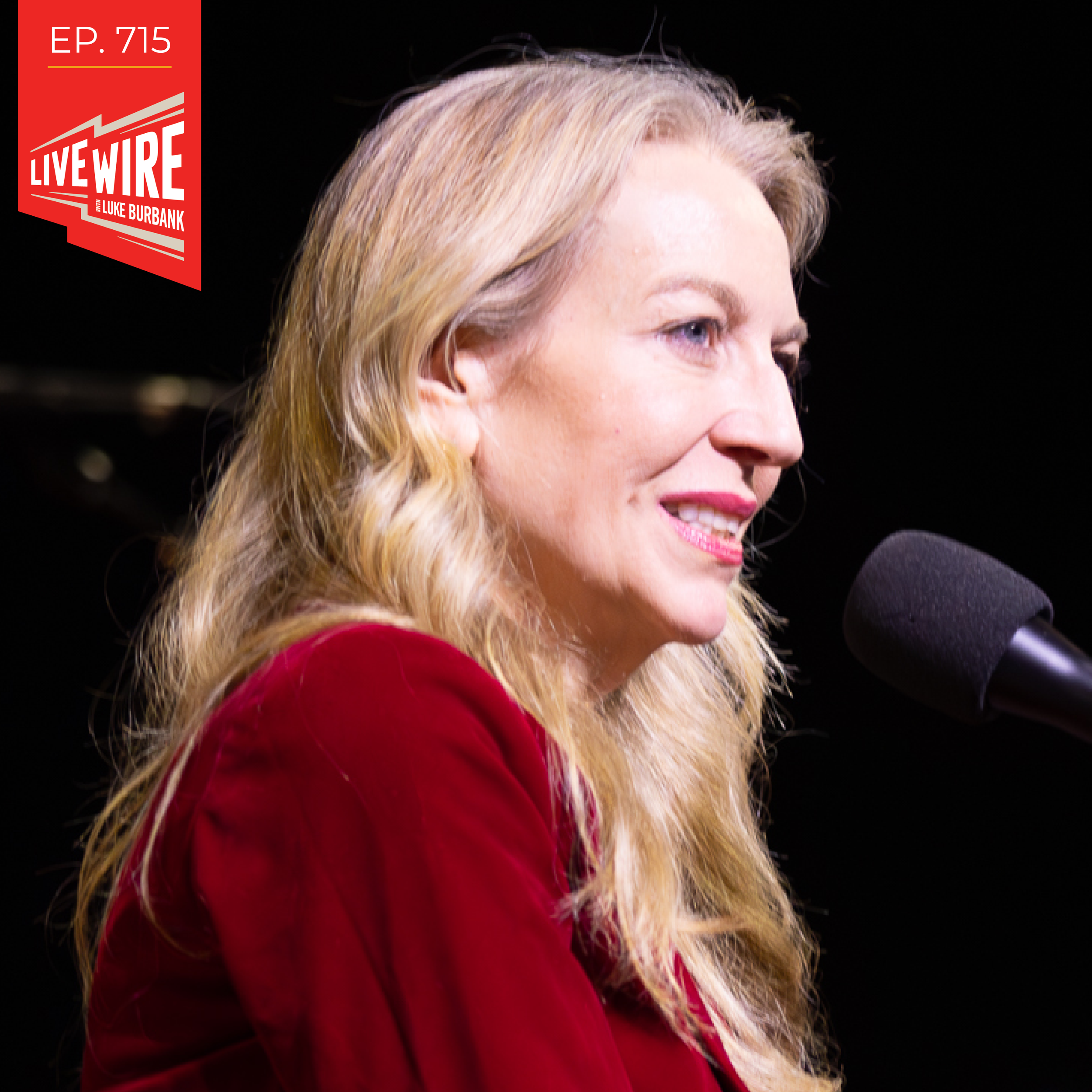
Cheryl Strayed
Writer and Podcast Host
Cheryl Strayed is the author of the #1 New York Times bestseller Wild: From Lost to Found on the Pacific Crest Trail, which was made into an Oscar-nominated film. Her bestselling collection of “Dear Sugar” columns, Tiny Beautiful Things, was adapted for a Hulu television show and as a play that continues to be staged in theaters nationwide. Strayed's other books are the critically acclaimed novel, Torch, and the bestselling collection Brave Enough, which brings together more than one hundred of her inspiring quotes. Her books have sold more than 5 million copies around the world and have been translated into forty languages. Her award-winning essays and short stories have been published in The Best American Essays, The New York Times, the Washington Post Magazine, Vogue, and elsewhere. Strayed has also made two hit podcasts, Dear Sugars, which she co-hosted with Steve Almond, and Sugar Calling.
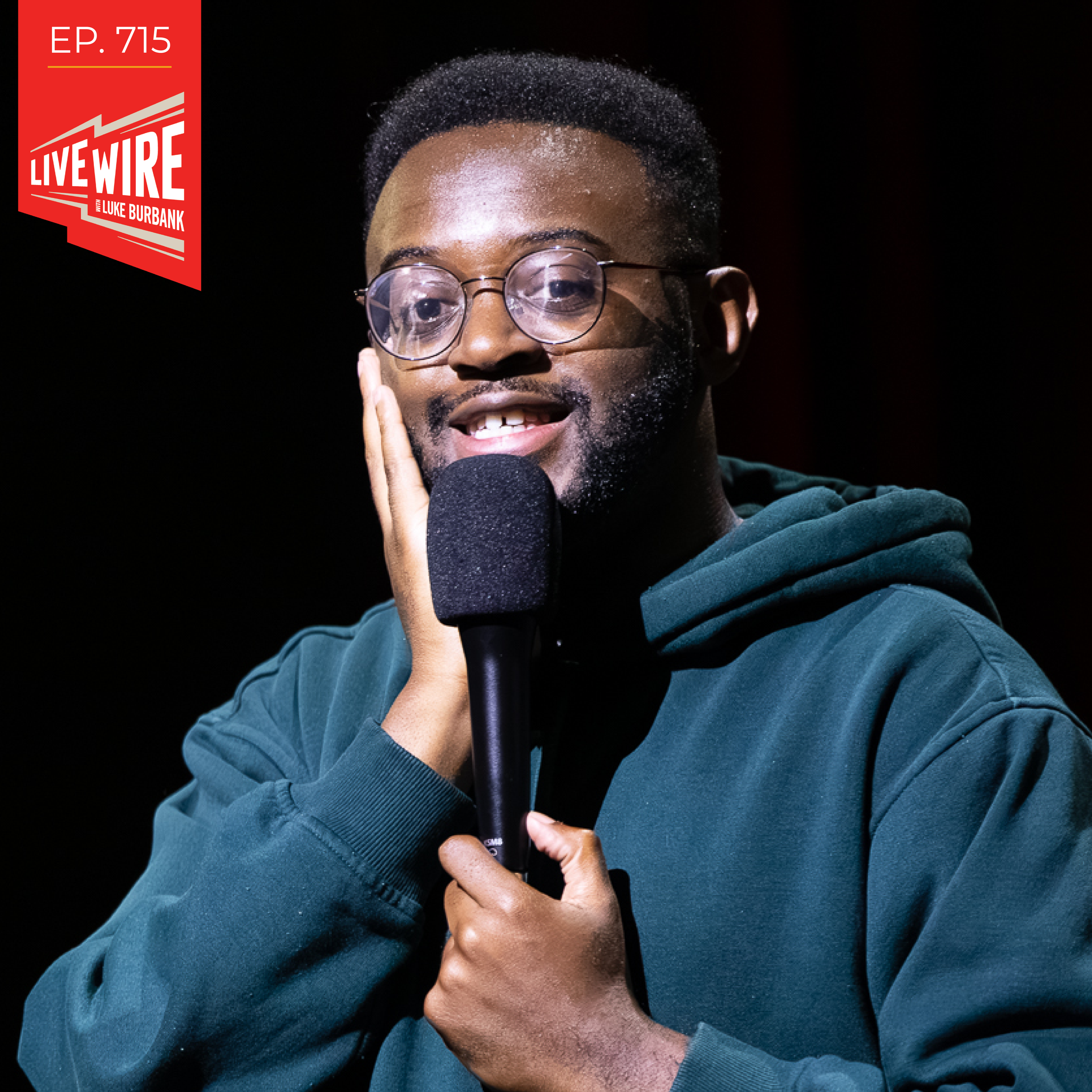
Skyler Higley
Razor-Sharp Comedian and Writer
Skyler Higley is a stand-up comedian, WGA-award winning writer, and actor who comes out of Chicago's legendary comedy scene. Skyler’s razor-sharp writing has been honed from contributing positions at ClickHole and The New Yorker, as well as staff writing gigs at The Onion and Conan. Skyler was named one of New York Comedy Festival's 'Comics To Watch' in 2019, and was one of the Just For Laughs Festival’s New Faces in 2022, bringing a comedic style described by his former boss Conan O'Brien as “delightfully bizarre and undeniably hilarious.”
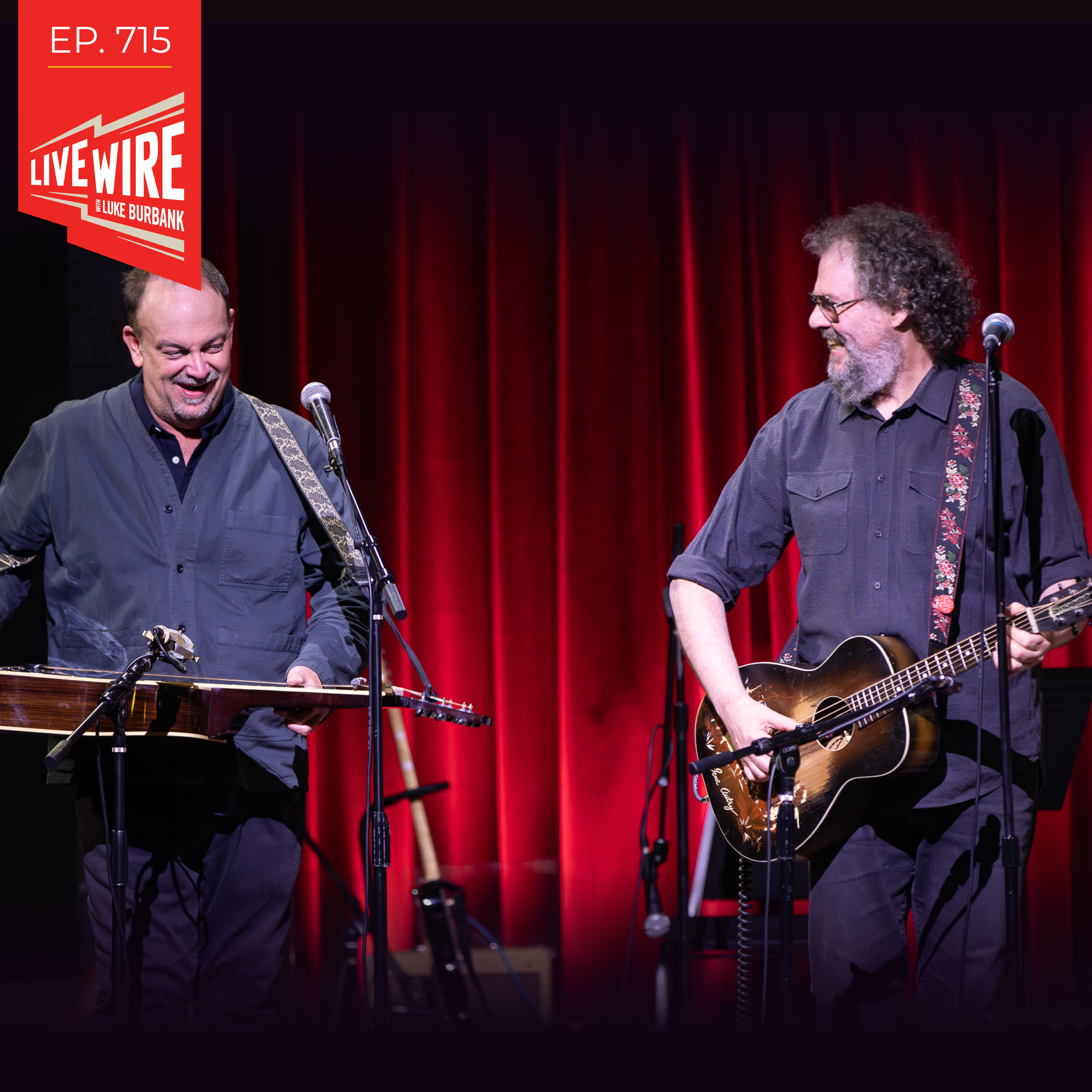
Patterson Hood
Musician and Songwriter
Patterson Hood is a musician and songwriter living in Portland, OR, originally from Muscle Shoals, AL. In addition to playing in the band Drive-By Truckers, he is a solo artist. His first solo record in over a decade, Exploding Trees & Airplane Screams, was born out of a friendship with producer Chris Funk (The Decemberists). The pair would often perform together for fun and during Hood’s solo tours, making far-off plans to make a record together. They eventually went into Jackpot Studios in Portland. Many of the songs were composed on piano marking a bigger departure from his work with Drive-By Truckers than prior solo efforts. His guest appearances include: Waxhatchee, Wednesday, and Lydia Loveless.
Show Notes
Best News
Elena’s story: “Man Cured After Having Chronic, 'Unrelenting' Hiccups for 20 Years”
Luke’s story: “World’s oldest tortoise very much alive despite death rumours”
Cheryl Strayed
Cheryl talks about her new podcast Mind Over Mountain and references soccer champion Abby Wambach as well as Triple Crown hiker Heather Anderson.
Skyler Higley
Skyler performs stand-up comedy.
“As-salamu alaykum” is a common greeting in Arabic that means “Peace be with you.”
The film Black Panther (2018) is mentioned.
Patterson Hood
After talking about his childhood connection to the movie Pinocchio, Patterson (alongside his creative partner Chris Funk) performs the song “Pinocchio” from his 2025 album, Exploding Trees and Airplane Screams.
-
Elena Passarello: From PRX, it's... Live Wire! This week, writer Cheryl Strayed.
Cheryl Strayed: I've always been so acutely aware of how important it is that we revise the stories we tell about ourselves and in this case the stories we tell, about the strength and power of women.
Elena Passarello: Comedian Skyler Higley.
Skyler Higley: First, I think Congress and the Supreme Court should have term limits, right? Great. Second, I the president should be a magician.
Elena Passarello: With music from Patterson Hood and our fabulous house band. I'm your announcer, Elena Passarello, and now the host of Live Wire, Luke Burbank.
Luke Burbank: Wow, thank you, Elena Passarello, and thank you everybody for coming out to the Alberta Rose Theatre here in Portland, Oregon. I mean, we got so much show for you this week, but we gotta start things off the way we always like to with a little segment we call The Best News We Heard All Week. This is where we like to find a few good news stories, and those do happen. Usually just not in this country. But we find them wherever they are, and we bring them to you to maybe put a little bit of light in your life. Elena, what is the best news you've heard all week?
Elena Passarello: I found this story when I was doing a little light reading in frontiers in physiology.
Luke Burbank: That's how far you have to look now for the best news you've heard all week.
Elena Passarello: I'm just kidding, I read it in People. But a writer for people.com apparently read Frontiers in Physiology and learned about a gentleman who came into the hospital at Sichuan University in Western China, a 52-year-old man who had had bouts of hiccups, recurring bouts of hiccups, for 20 years. They would be like half an hour long. He'd have him sometimes three times a week. And they got worse and worse until 2024. He just started having them ceaselessly. So they tried everything. It didn't work. But they figured out that they could numb his neck with lidocaine and then basically shock his neck muscles until the hiccups went away.
Luke Burbank: Well, that sounds way harsher than drinking water upside down.
Elena Passarello: Yes, or scary. [Luke: Yeah.] Yeah, but let me tell you I don't know this man And I bet everybody has always told him a million ways to get rid of hiccups [Luke: Yes.] But this is the way that you do it. It works a hundred percent of the time every time so my husband tends the bar for like as long as that guy had hiccups. Take a spoon you put some sugar on it. You shake some bitters aromatic bitters on it and then you suck a lime or a lemon and then you eat this...
Luke Burbank: This sounds more complicated than the lidocaine. I would be already in post-surgery.
Elena Passarello: Well, let me tell you, listen to this. I learned, because I try to watch my sugar, that you don't have to really do it. You just have to method act, pretend to do it, so you have to pretend to suck the lemon, and mm, mm, oh, it's so tart, and then you have to pretend to dissolve the granules of sugar in your tongue, like, mm. And swallow it, and swallow it. This was 15 years ago that I started doing this, and it's cured every hiccups that I have had since. So I'm waiting to be in Frontiers in Physiology with my amazing method.
Luke Burbank: Or People Magazine.
Elena Passarello: Or People... I prefer People.
Luke Burbank: That's the best news you can use from Elena Passarello, everyone. I'm totally going to do that, by the way.
Elena Passarello: Yeah, just text me if you need to be reminded. [Elena: Yeah.] I could be your hiccups doula.
Luke Burbank: Love it. The best news that I heard all week, I thought when I first heard about it, I thought maybe it was the worst news that I heard all week. Although. Worst news is its own nightmare category. This wasn't the worst news, but I thought it was not great news, which was the passing was announced of the world's oldest living land animal, a 193-year-old tortoise named Jonathan, who had been living on the island of St. Helena in the Atlantic Ocean. And this was making the rounds on the internet because this veterinarian named Joe Hollins had gone on Twitter and had written. This guy, Joe Hollins, had worked with Jonathan the Tortoise, went on Twitter and said he announced he was heartbroken about the death of this gentle giant. The internet, of course, picked up the story and ran with it. Everybody was memorializing Jonathan, writing posts about, you know, gone so young. In the prime of his 190s.
Elena Passarello: Wow.
Luke Burbank: And then something interesting happened, which is Joe Hollins, the veterinarian, went on Facebook and was like, I don't even have a Twitter account. I don't know who is saying that they're Joe Hollins and that Jonathan is dead, but that is a crypto scam.
Elena Passarello: What?
Luke Burbank: And he's not dead. [Elena: Yay!] That was confirmed, by the way, by a person named Anne Dillon, who is the head of communications for the island of St. Helena. She told the Associated Press, I can assure you, Jonathan is very much alive. I'm looking at him. I have a feeling that anywhere you are on the island of St. Helena you could be looking at Jonathan. Like, he's probably really close to where he was yesterday. He's not... He's not super fast these days. So Jonathan is alive, which is pretty awesome. This is a kind of a fascinating fact about this guy. The Guinness Book of World Records says that he is the oldest living land animal, and they think the oldest tortoise ever, maybe, at least that we've been able to track, he was believed to be 50 years old when they brought him to St. Helena in 1882. Napoleon died on St. Helena in 1821. This dude barely missed Napoleon.
Elena Passarello: [Elena Laughing]
Luke Burbank: Right? And he's still, I have to say, like personally, as a guy who is turning 50 very soon, I am pretty heartened by the fact that I have another 140 years in me.
Elena Passarello: Yes, I mean, are you coming out as a tortoise? Is that what you're?
Luke Burbank: Yeah. Yes, yes I am. This week on Live Wire. So I'd have to say, the surefire cure for hiccups and the fact that Jonathan is very much alive over there in St. Helena, that is the best news that I heard all week. Our first guest has spent her career doing one thing better than almost anyone alive, that is telling the truth about what it means to be human. Her books have sold more than five million copies around the world and have been translated into 40 languages including, of course, the number one New York Times bestseller, Wild, which was made into an Oscar-nominated film. Her bestselling collection of Dear Sugars columns, Tiny Beautiful Things, was adapted into a Hulu TV show. Her latest project involves her sitting down with athletes and adventurers to talk about facing the impossible, which is a subject she's been researching on foot and on the page for decades. Please welcome back to the show, our friend Cheryl Strayed to Live Wire.
Cheryl Strayed: Hello.
Luke Burbank: Cheryl, welcome back to the show.
Cheryl Strayed: It's so fun to hang out with you guys, so thank you for inviting me back.
Luke Burbank: We're always like, we are excited. The audience, everyone's excited when we've got you on the show. So, because of course, you couldn't leave podcasting to us, the small people. You have now launched a podcast called Mind Over Mountain, where you're having these really incredible conversations. Who are you talking to? What are you talking about on this show?
Cheryl Strayed: Okay, Mind Over Mountain. It's for the I Heart Women's Sports Network. And I'm talking to women athletes of all varieties and adventures, as you said, about the epic experiences they've had in their sport and in their lives. And of course, I'm coming at it not so much as somebody who is, you know, I'm not asking them the nitty gritty about that game or that competition, but really I'm more interested in the journey within. How it was that they mustered the courage, the resilience, and the strength it takes to be epic, really, with your body, and of course there's so much that goes on in the mind and the spirit when we do that.
Luke Burbank: You're so well known, obviously, for your book, Wild, which involved you hiking the Pacific Crest Trail, which is a very athletic thing to do, but I didn't realize until I was reading your sub stack, I think, that you were a cross country runner in high school. That is a famously punishing sport to be a part of. Like, what did you like about it?
Cheryl Strayed: It is. It's interesting. I tend to be somebody who's only even a little bit good at the it's always the most punishing things, you know, like, I can't run fast, but I can run far. I can hike very well, but I can keep going, you know, and I think that that was one of the most kind of moving things for me to realize on my Pacific Crest Trail hike, which I wrote about in Wild, and to talk to so many other adventurers and hikers since then is that You know, it really isn't about being an expert, or a champion, or the best, or a gold medalist. Though, of course, I do talk on my podcast to a lot of people who have done those things. But really, at the end of the day, we're always up against ourselves. And I think when we do something hard with our bodies, like join cross country when you're a 14-year-old who's very insecure and wasn't necessarily the fittest person, I started running, and I learned something. That I think only the body can teach us. And it was something I learned years later on the Pacific Crest Trail. And that was that simple, essential truth that we can do the impossible, we can keep going even when it hurts, and we can it on our own steam with our own bodies. And so when we teach our bodies to be strong, inevitably that spills over into the rest of us, our spirits, our hearts, our minds. And that has been a lesson I've had to... You know, learn, draw upon over and over again throughout my life.
Luke Burbank: Do you think you would have been able to do the Pacific Crest Trail if you hadn't done that cross-country stuff?
Cheryl Strayed: You know, probably not. I mean, I do think that it's sort of sad, what's happened, I think, to youth sports, where it's all about like competition and who won. And I think what's really, I mean it's good for us at all stages of our lives, but you know, especially when we learn young, like, okay, it doesn't matter if I win this thing, what matters is that I do it. And doing it is actually such a powerful lesson, you know? And so yeah, I think that that, you know. If I looked back at my life and said, what were the pivot points? When I was 14, I was like, like so many 14 year old girls, you know, uncertain about myself, longing to be affirmed and validated and loved, trying to conform the best I could so that I would be validated and loved. And then I did this thing where I was like, okay, I'm gonna go run really far and it's gonna be hard and I'm going to do it every day. And it was, you know, the first experience that I had where I really testing myself against myself and seeing myself in a new light. Not as somebody who was finding the validation outside of me, but somebody who is was getting it from within, because I would run that five miles. And the feeling, I think everyone in this room, the feeling of accomplishment when you do something like that is always with you.
Elena Passarello: Everything you're describing about running I feel like you could put writing in there except for the body part you know because you know when I write I sort of feel like Krang from Ninja Turtles just a brain in a jar but did you write before you ran or did you run before you wrote.
Cheryl Strayed: You know that those two things were happening at the same time. You know when I was a young woman I was also figuring out I really wanted to be a writer. But Elena, what you say is really true, and this is what's really interesting on the podcast I'm having these conversations with all of these women who all have actually done. They are champions. They have done great things and broken records and been Olympians and so forth But what ends up happening is we talk about that internal stuff It's not just like how great they were it was like how? They had to find those things within. And I think even in the champions, the things they do in their sport spills over into the other things that they're also trying to do in their lives. So the topics of these conversations, we begin with Abby Wambach, I'm saying like, you, you know, I'm extolling her virtues as a soccer player, but the conversation ends up being about grieving her brother. Or with Stephanie Case, who's this ultra runner champion, ultra runner. The conversation is about her miscarriages and journey with infertility. And all of these women, there's always something else we end up talking about. And their sport and the things that they let their bodies teach them because they had to push themselves to their limits are the things help them survive. Not only the hardest things that they've had to survive, but the hardest things that all of us in this room and all of listening have had to survive.
Luke Burbank: Yeah, we're talking to Cheryl Strayed here on Live Wire this week. We gotta take a quick break. When we come back, I wanna talk to you about the interview you did with Heather Anderson, which really kind of tackled against, I feel like what some of the popular culture is telling us about how we have to be. And also, I want you to share your mantra with everyone listening that you use when you don't wanna exercise, because I'm already integrating it into my personal life. So we'll do that in a moment. More with Cheryl Strayed coming up on Live Wire. Welcome back to Live Wire from PRX. We're talking. To writer, columnist, substacker and now podcaster Cheryl Strayed about her new podcast, Mind Over Mountain. One of the interviews that you've done for that show was with Heather Anderson, who is this long distance hiker and has set all these records. What, like she's done, she did the Pacific Crest Trail. She had done some circuit of like three. [Cheryl: Yeah.] Is it really long hikes that maybe nobody's done in the short amount of time she did it?
Cheryl Strayed: Yeah, that's exactly it. But what it is, it's called the Triple Crown. So there are many national scenic trails, but the three longest ones are the Appalachian Trail, the Continental Divide Trail, and the Pacific Crest Trail. And Heather Anderson is, I think, a double Triple Crowner. When you're a Triple Crown, that means you've hiked the full length of all three of those trails. And she did this crazy thing where, first of all, she wanted to do the fastest known time on the Pacific Crest Trail, which she did. And I mean, she was like hiking 40, 50 miles a day to do that. And unassisted. [Luke: The crowd sounds concerned.] I know I...
Luke Burbank: That was less impressed and more, we need to check on Heather.
Cheryl Strayed: I know.
Luke Burbank: Is Heather okay?
Cheryl Strayed: And then she also did, and this is a really impossible feat, too. She was also the first woman to do the Triple Crown in a calendar year. So that means she hiked all three trails in one calendar year, which is so tricky in so many ways. It's a physically absolutely you have to go to blistering pace. But, you know, because, you know, you're hiking in mountains that this you have to hike in all kinds of weather, so you have to really time you can't be up, you know, in the high Sierras in December. And so she really. Has this kind of fetish, I would say, of like, she just wants to break all these records on these trails. And she's a really cool woman, and one of the things I love about her is when I asked her about how she began, it wasn't like she was like this great athlete from high school. She was like, I couldn't even run a mile when I first started hiking. And I just fell in love with the sport. I fell in love with the endeavor and that sense of, again, that courage and strength and resilience that wasn't just about the physical body, but about the self. And she's dedicated her life to it.
Luke Burbank: What I was struck by though is that the, I guess the title of that episode of Mind Over Mountain is you don't have to be fearless, which is like very counter to like the way that we're told, particularly women, my senses are told you gotta be badass and you gotta, you know, just be brave. And like, I mean, what's her message about the fact that you don't have to be fearless?
Cheryl Strayed: Well, I think anyone who tells the truth about courage is talking about embracing fear. I mean, my mantra on my hike on the Pacific Crest Trail was, I am not afraid. When did I say that? Only when I was afraid. Only when I was afraid, that was the phrase I pulled out of my pocket. And it was me saying to myself, you can do this, even though it's scary, you can keep going. Now that is, I think what Heather's talking about too. And I think it's what we're always talking about. Like the contradiction is always in right there. You know, the two opposite things are always there in the same hand. And that's how we move forward. There was no other way. There is no way to live life without suffering. Without also in that suffering, seeing the tremendous beauty that is life. There's no way to be brave without being terrified. There's way to strong without feeling weak at times. And I think that those physical endeavors like long distance hiking really allow us to sit in that truth for a while.
Luke Burbank: You kind of bring in this podcast, you kind of bring together like two things that you're passionate about. One is, is finding out more about these guests. And then you also have written this advice column, uh, Dear Sugars forever. And you have the guests help you answer a Dear Sugars question. Are they good at that? I mean, it's some, just cause someone can lift like a thousand pounds over their head. Do they have good advice for people?
Cheryl Strayed: You know they they always have one thing that has delighted me is they're all so excited to do it I mean, I think that you know, most of us are like let me get my hands on somebody else's problem You know, right, right and like there is such a I think That's why I said yes way back then because I was like, this is my whole life's fantasy to know other people's secrets And then to get to tell them what to do, you know, and, you know, as if I've got it all figured out, right. And, and so these athletes I interview, they're all extremely excited and they take it really seriously. And I, you, I do think that they've offered really good advice. So that's been a fun part of it, but, you know, you said this podcast brings together two things, you know athletic endeavor with the advice, but I would say three, because another really important thing for me and that's one of the big reasons I said yes. Is I've always been so acutely aware of how important it is that we revise the stories we tell about ourselves. And in this case, the stories we tell the strength and power of women. I feel so honored to be expanding the stories we tell women doing physical things and women athletes, because I think they have been so marginalized. I mean, even that we have the phrase women's sports is sad to me. Because right, we don't say men's sports, really. I mean, we, you know, women have been really marginalized. We've, in my lifetime, I'm 57, in my lifetime we've got things like, I remember being a teenager when Joan Benoit, you know, you women were allowed in the, you know, to run the, the marathon in the Olympics. You know, and it was like late in the game. It was really quite late in the game and for so long it has been thought that women could not do things like run a marathon or have be the kind of great champions and athletes that we really can be. And so I love that I get to be contributing to telling that story.
Luke Burbank: This is another thing that you just sort of casually mentioned, but it was very important to me, which was that, because you interview, I think in your first episode, you interviewed this incredible weightlifter.
Cheryl Strayed: Yeah. Tamara Walcott.
Luke Burbank: And you also, I know you lift weights, but you tell yourself when you really don't feel like doing it on those mornings, you just say strong, strong, strong over and over again in your mind. Does that work?
Cheryl Strayed: It does. Yeah, I really become quite like a very dedicated weightlifter and power lifter over the last few years. And I you know, and here again, Luke, when do I say strong, strong, strong, when I feel weak, weak, weak, right? And this is this is how we survive. This is how I survive, at least is, you know, it is about the inner voice. It is about storytelling. And I think that none of us really want to do a lot of the hard things that we're forced to do, but you have to convince yourself it's worth it. So I get lifted by simply saying strong, strong, to myself.
Elena Passarello: How long do you have to do it for? Like the whole workout?
Cheryl Strayed: Yeah. You don't do that. That is the one thing. Do you lift weights, Elena?
Elena Passarello: I try.
Cheryl Strayed: I mean, one thing about it that is, it's actually so much more efficient than like running, you know? I mean you can do, you can get a good workout in 25 minutes, you know, or if you really apply yourself.
Elena Passarello: And it's good for your bones. And my doctor, who is TikTok, told me that I'm supposed to be able to put half my body weight in each hand and walk around holding it for a minute, or else I'll die or something. I don't know.
Luke Burbank: I'll turn to dust.
Elena Passarello: I won't be able get up off the ground.
Cheryl Strayed: That's the farmer's carry, yeah.
Elena Passarello: The farmer's carry, yeah! So, like, how many times do I have to say strong, strong, strong in order to make Dr.TikTok happy?
Cheryl Strayed: A really long time. Yeah, a really long time.
Elena Passarello: Not just three times. No. It's okay. I'm wondering.
Cheryl Strayed: Maybe get a tattoo on your wrist or something.
Elena Passarello: And then I'll do bicep curls so I can look at it.
Luke Burbank: I don't know. I'm like covered in tattoos that are supposed to help me be a more grounded person and none of it's working. [Cheryl: Are you?] I really am. I want to make the sort of case for regrettable tattoos. I think it shows an optimism. Yeah. I really mean this. Like I have so many janky tattoos and like I just kind of, for my life, if I could put my Dear Sugars hat on for a moment. For my life, I would like to be somebody who's able to do stuff even if I don't know if I'm gonna agree with it later on and not be paralyzed by the sense that I might regret something. Because I look down at some of my tattoos, I go, that was dumb. And then I just move on with my day. It's not as catastrophic. The idea that I would be paralyzed about a decision because I was worried about what the worst case scenario would be, to me, I'd rather live in the light of these janky tattoos.
Cheryl Strayed: I got to hand it to you, Luke. I mean, I think that's really deep, profound wisdom there. [Luke: Finally.] That's some good advice we're gonna you're gonna have to come on my podcast even though you're not a woman athlete;
Luke Burbank: As soon as I do something athletically significant I will send you an email.
Cheryl Strayed: You can help me answer a letter but like that is true and I think too even when when we do talk about like trying these new sports or like when I went and hiked the Pacific Crest Trail. I had never gone backpacking before. That's ridiculous. Don't do that. You know, when people when they ask me about that, they're like, well, what are your regrets? Like, I guess, technically, on paper, I would be like, yeah, I would have like, you know, had some experience backpacking, my my pack wouldn't have been so heavy. And yet I treasure those things, because I learned the lesson you learn the hard way is the lesson, you never forget. And the only way that that's possible is if you let yourself make mistakes, and you let yourself be a novice. And you let yourself be an idiot and you... [Luke: Check check and check] and you're like okay I did that wrong and then now I'll never forget this and and I and I taught myself and I and so I think that that's a really powerful lesson too and like the doing the doing.
Luke Burbank: This is a little off topic, but you're just one of the more wise people that I know that we get to have on the show. So I guess I just wanted to ask you, because I feel like everybody in this room at the Alberta Rose Theatre, and I'm sure many of the people hearing this on the radio, are sort of walking around with a generalized sense of dread and fear and sort of sadness about the world. I'm wondering if you have found ways in your life to at least push back on that a little bit.
Cheryl Strayed: Oh, my gosh. Yeah, I mean, that is that's such a hard question, because I feel that sense of dread and sadness and outrage and fear and all of those things as well. I mean the answer I'm going to give is I think the answer so many people are giving us like we have to always remember that we have the power like we have the power of the things we do in our own life. And the things we do make a difference. And so every day the question is like, am I going to be a loving force in the world? Am I gonna spread kindness and fight for justice? And am I gonna tell the truth? Am I going extend a hand? Am I go offer mercy? Yes, yes, yes. And when I can do those things rather than sit in that sense of powerlessness and despair. I feel better and I think that if we do that collectively, we make a difference in the world.
Luke Burbank: Yeah, and if you're having a hard time, just say strong, strong, strong.
Cheryl Strayed: Strong, strong, strong.
Luke Burbank: Keep saying strong. The new podcast is Mind Over Mountain. The wonderful Cheryl Strayed, everyone, right here on Live Wire. That right there was the legend Cheryl Strayed recorded live at the Alberta Rose Theatre in Portland, Oregon here on Live Wire. Make sure to check out Cheryl's podcast Mind Over Mountain, wherever you cast your pods. Hey there, Live Wire listeners, it's Luke. Letting you know that we are gonna be back at the Alberta Rose Theatre in Portland, Oregon on May 14th with a great lineup of guests. Podcaster Sarah Marshall of the You're Wrong About podcast will be there. Now she's got a new series, it's all about satanic panic. It's a fascinating show. Plus we're gonna have the author Camille Dungy stopping by. She's got a new collection of poetry, which is her first in nearly a decade. Then humorist and writer Angela Nissel. On her latest memoir and some music from jazz performer Kassa Overall. You can get your tickets right now at livewireradio.org and we'll see you on May 14th. You're tuned in to Live Wire from PRX. All right, our next guest comes to us by way of Chicago's legendary comedy scene. He's written for the New Yorker and the Onion. He was named one of the New York Comedy Festival's comics to watch. He's also done the Just for Laughs New Faces showcase. And he brings a comedic style that's been described as delightfully bizarre and undeniably hilarious by none other than his old boss, who he also wrote for on the Oscars, Conan O'Brien. Take a listen to Skyler Higley with some standup comedy live at the Alberta Rose Theatre in Portland, Oregon.
Skyler Higley: Hi. Hi, hello, hello radio. I'm excited about this crowd. I've never seen a crowd like this. They told me our crowd skews slightly older, but they're liberal. And I'm like, that's good because all my jokes are criticisms of Reaganomics. Yeah, yeah. Anyway, listen, I'm not a fan of America that much. Thanks. It's weird, it started off weird. They didn't do a good job. You know, America, we take kids in school and we make them say the Pledge of Allegiance. That's weird. That's kind of culty of a thing to do. American schools, they take kids and they go, hey. Before you can learn any facts about the world, I'm gonna need you to swear to God that you will never betray America. And you're just like, well, I'm seven, so I didn't have any plans. I can't do a 9-11, I can barely count to 10. Strange. President situation, that's weird. Don't worry, I'm a comedian, it'll be okay. Here are my two political opinions that I'll share with you, okay? First, I think Congress and the Supreme Court should have term limits, right? Great. Second, I the president should be a magician. Why is the president always just some guy? It's always just normal guy, right? I can juggle, can the president juggle? You know what I mean? Just some normal, mostly white dudes, right. We got Joe, Bill, George, Lil George. Where is our president, Mysterion, who he'd be at the press conference, we'd be like grilling him, right, we'd like Mr. President. You said you'd have a plan to curb inflation by now. Now where is that plan? He's just like, check your back pocket. Lot of stuff is wrong, lot of stuff. Stuff that you never even thought about. Like, okay, I'm lactose intolerant, right? Do we have anybody, any other minorities in the crowd? Okay, I am lactose-intolerant, and I just found out about that, because I grew up drinking so much milk. So, so much, full glasses, like a dang zodiac killer. I was drinking so many milk. It was insane, why was I drinking all that milk? You know why? Because in America, we have a lacto-normative society, bro. Yeah, America loves milk. America loves the milk so much. We used to have entire men that used to get dressed up in little outfits, little hats, like they were in the dang Navy. And they would come over to your house and deliver your milk and you'd be like, thank you for your service. And then they'd have sex with your wife. And you wouldn't even be mad about it. You'd watch them being like, USA, USA. So much pro-milk propaganda. Right? You remember those Got Milk ads? Those ads, they lied to you too. They said, you drink milk, you'll get strong bones. You ever hear that? You drink milk. You get, guess what? That's not true. That's true at all. I looked it up. I Googled it. Calcium's not real. That's right. But you can't just lie about that. You know, I drank the white man's milk. My bones are mid at best. I don't have like special X-Men bones. I have the bones of a common peasant. I don't like it. It's terrible! You can't lie to me about that, about food, right? Like, what's next? Do carrots not really help my vision? Can I digest gum faster than seven years? Is cauliflower not doing ethnic cleansing on broccoli? Like, where do the lies end, bro? I can't handle it. I become, like, a conspiracy theorist now, but instead of talking about the Illuminati, I'm always talking to my friends about big dairy. I'm always pulling my friends aside like, hey, why you think they call it 1% milk, bro? Because that's who gets the profits. Think about it, dawg, think about it. In the American workforce, what demographic is always getting paid the least? What demographic gets paid the least across the board at companies? It's women of color. Mm-hmm. W-O-C. Flip that backwards, what's that spell? Think about it! Yes, I'm very good at this. Thank you very much. I'm adopted, I have parents who are whites, sorry, I didn't mean to say whites like that. I meant to say the enemy. So I'm adopted, and I talk about it. I grew up in an all-white place. I grew up in Salt Lake City, Utah. Excuse you, Portland. It's, oh, excuse you. My friend suggested we go to a vegan strip club that y'all have here, and y'all are looking at me like, oh, those crackers over there. Excuse you. Look to your left, look to your right. Do you see a black person anywhere?
Skyler Higley: So anyway, I grew up in Salt Lake, right? And I had all white friends growing up. And it was the early 2000s when I was growing up, right, the peak of Eminem. Remember Eminem at the height of his powers? He became like an MLK for white boys who hated their moms, you know? He was like, they were like, that's the Reverend Dr. Mathers to you, you know? So they would listen to Eminem, they'd be listening to hip hop, and they decided, because they were listening to hip hop that they were black. And they knew I had white parents, so they decided they were blacker than me. And they would say that to me. They'd be like, hey, y'all, we like blacker than you, dawg. And I'd be, like, all right, well, I hope you get sickle cell, then. Because you don't get to say that to me! Listen, you can't invalidate my blackness because I got white parents. Think about it. I literally got taken by white people. That's the blackest thing you can do, really. That's The Original Thing of Black. Honestly, I feel like the Confederacy might have lasted longer had they just called it adoption. They try to abolish slavery. They try to abolish the slavery. They're like, what? What slaves? All I got is my house sons and my field sons. What's the problem? Okay, I found your line, I've found your line. I went back home recently, this thing happened to me, I was back home in Salt Lake, right, and I was at a Starbucks because I hate good coffee and I was sitting there and I was in the Starbucks and I noticed there was another black man sitting near me in the Starbuck and I was like, oh my god this is like the highest black population that this Starbucks has ever had in this city, it felt like a real moment. I was just proud to be around another black person in Salt Lake. And this white woman is sitting across from us, and she had that moment where, you know, you probably do it here in this city, you have to pee, right? And you sort of look around for who can guard your things. You become like a little lord of your things, you look around and you go, who among these strangers is worthy? And she looks at me for a very long time, and she looks to the black man to my right, sees that there's another black person there. And then she makes the choice to turn around. And ask another white person sitting way further away than us if she could watch her laptop. And she did exactly what y'all did. She posted her black square in 2020. She knew that this wasn't great, but she was like, well, it's either I say yes or recited my Angelou poem, so I gotta, this one goes to the bathroom. I'm sitting there in that racial tension and I'm angry about it, right? I'm mad, I'm like, you know what? I can't let this stand. I gotta teach everybody a lesson right now. This is a teachable moment. So I waited for her to come back from the bathroom. Took a longer time than I wanted to. I was like, dang, she got the whole milk, she was lactose intolerant, but. I waited for her to come back from the bathroom, sit back down in front of her laptop. And that's when I stood up in front of my laptop, made eye contact with her, same way she did with me, right? We looked at each other for a long time and she was like, I was like you know, I wanted her to know that I saw her assume that I was gonna steal. And then once we were done making eye contact for about a good 30 seconds, I turned to the black man to my right, I go, hey brother! Hey my fellow black. Brother, my fellow Melanin King out here overcoming the chains of oppression to shine like the diamonds of mother Africa. Brother, I ask you nay, I beseech you, brother. Brother, you are being beseeched right now. If you, as well as our ancestors, could turn a watchful Negro eye towards my laptop, because as we all know, brother, there are some white devils out here. That would like to steal our property the same way they stole our people's property all those years ago, what do you say, brother? And assalamu alaikum, by the way. Now, my critical error was that I forgot to check if he saw what was going on. I was like, oh, I might've just thrown a Black Panther surprise party on this dude. And this is why I love black people, because he didn't question it. He played along perfectly. He didn't even say anything. He just put his fist up real quick. That was it. All right, you guys are phenomenal. I've been Skyler Higley.
Luke Burbank: That's Skyler Higley here on Live Wire. That was Skyler Higley, recorded live for Live Wire at the Alberta Rose Theatre in Portland, Oregon. You can follow Skyler on Instagram, at Skyler Higley. You are listening to Live Wire Radio. We've got to take a very quick break, but don't go anywhere when we come back. Singer-songwriter Patterson Hood, who you might know as one of the co-founders of the drive-by truckers, is gonna share a song off of his latest album, which is actually a collaboration with Chris Funk of the Decembrists. Some good stuff so don't go anywhere. More Live Wire in just a moment. Welcome back to Live Wire. Okay, before we get to this week's musical performance from Patterson Hood, a little preview of next week's show. We are gonna talk to the travel icon Rick Steves himself. He's gonna talk about his latest book On the Hippie Trail, which details his time backpacking on this route from Istanbul to Kathmandu in the late 70s, which really kind of cemented his love of travel. We're also gonna find out where in the world. Rick Steves hasn't been, which it turns out is a pretty short list. We're also gonna get some music from The Lullaby Project. This is this incredible thing where professional musicians are paired with parents who are facing homelessness or incarceration. These parents are writing lullabies for their children and then the music is performed with the help of the Oregon Symphony and in this case, the musician, Stephanie Schneiderman. It's just an incredibly powerful, moving, beautiful music experience, which I can't wait for you to hear. It's the Lullaby Project as part of next week's episode of Live Wire, Don't Miss It. Okay, our musical guest this week might be best known as one of the founders of the critically acclaimed rock and roll band Drive-By Truckers, but in addition to that, he's also a writer, he writes essays and columns and short stories, and now he has put together a solo record born out of his friendship with Chris Funk of The Decemberists. They've been talking about doing something together for years and now they finally have. So here they are, this is Patterson Hood and Chris Funk live at the Alberta Rose Theatre in Portland, Oregon. Hello. Hello Patterson I understand that you and Chris had been kind of kicking around the idea of doing a record for a long time. What finally brought you together to actually take it out of the theoretical and into the actually happening?
Patterson Hood: You know, it all started right before I moved to Portland and we were introduced by a mutual friend and we went out and had a couple of drinks and were like instant buds, like total friends. But he started playing with me and anytime I would play in town. And it was like, there was a really good chemistry and I thought, we should make a record together. So I just kind of started putting songs in a folder and at some point during lockdown, I kind of went through those songs because I was, couldn't go in your hair and was demoing those songs. I thought I think we should make this record so it just finally got to happen.
Luke Burbank: I wonder what it's like for you, because you're so associated with drive-by truckers, and I know Chris is very associated with Decemberists. What's the difference of writing a song as a solo artist versus as part of a larger group environment?
Patterson Hood: I don't know if there's any set answer for that. It's kind of a lot of things. I mean, I love my band and I love what I get to do. And, but I've also, you know, I'm real proud of the solo projects I've done because they're kind of a way of stepping outside of that. And then it makes me appreciate both more kind of having the two different things. And, you don't, in the case of this, it ended up being this really autobiographical record but I had no idea of that when we were even making it. I mean, I was literally, we were in the process of mixing the record and it's when it dawned on me, it's like, holy cow, this like tells a very specific story basically from my early childhood until three weeks before my 30th birthday. And I had no idea when we making it, but it's, like, I mean our band's done a lot of kind of concept record type things. And I had no idea that this was that kind of thing, but it's in some ways more conceptual than those records.
Luke Burbank: Yeah, what song are we going to hear?
Patterson Hood: So this is a song, it's the last song on the record, but it's also the first song on the storyline, because it's when I was a little boy, and it's called Pinocchio. And it's, I think I was always, even as a kid, kind of an obsessive personality. And one of the first things I obsessed on was Walt Disney's Pinocchio movie. And they re-released it to the theaters when I was seven, and I wanted to see it over and over. And, you know, nowadays you can buy the Blu-ray or stream it or whatever, but back then the kid had to talk some grownup into taking them to see it over and over. And fortunately, I had a grandmother and a great uncle who really kind of tried their best to spoil me. And so they did take me to see it so many times that I memorized it. And I would act it out in my grandmother's backyard for the other kids in her neighborhood. And they hated it. So I learned at a really early age all about like bad reviews.
Luke Burbank: Yeah, right. You got that out of your system at like eight. All right, well this is Patterson Hood and Chris Funk here on Live Wire.
Patterson Hood & Chris Funk: Thank you all. [Patterson Hood & Chris Funk perform Pinocchio]
Luke Burbank: Thank you. That's Patterson Hood and Chris Funk right here on Live Wire. That was Patterson Hood, along with Chris Funk, recorded live at the Alberta Rose Theatre in Portland, Oregon. You can take a listen to Patterson's solo album. It's titled Exploding Trees and Airplane Screams, and it's available right now. All right, that is gonna do it for this week's episode of Live Wire, a huge thanks to our guests, Cheryl Strayed, Skyler Higley and Patterson Hood along with Chris Funk.
Elena Passarello: Laura Hadden is our executive producer, and Melanie Sevcenko is our producer and editor. Eben Hoffer is our technical director, Tré Hester is our assistant editor, Valentine Keck is our operations manager, and Ashley Park is our marketing manager.
Luke Burbank: Our House Sound is by D. Neil Blake, and our house band is Ethan Fox Tucker, Ayal Alves, Ben Grace, Sam Pinkerton, Matt Sheehy, and A. Walker Spring, who also composes our music. This episode was mixed by Eben Hoffer and Tré Hester.
Elena Passarello: By The Marie Lamfrom Charitable Foundation. Live Wire was created by Robyn Tenenbaum and Kate Sokoloff.
Luke Burbank: This week we'd like to thank members Pauline and Drew Lewis of Portland, Oregon. For more information about our show or how you can listen to our podcast, head on over to LiveWireRadio.org. I'm Luke Burbank for Elena Passarello and the whole Live Wire team. Thank you for listening and we will see you next week.
PRX.
Staff Credits
Laura Hadden is our Executive Producer, and our Producer and Editor is Melanie Sevcenko. Eben Hoffer is our Technical Director, and Tré Hester is our Assistant Editor. Our house sound is by D. Neil Blake. Valentine Keck is our Operations Manager, Ashley Park is our Marketing Manager, and Andrea Castro-Martinez is our Marketing Associate. Our house band is Ethan Fox Tucker, Ayal Alves, Ben Grace, Sam Pinkerton, Matt Sheehy, and A. Walker Spring, who also composes our music. This episode was mixed by Eben Hoffer and Tré Hester. Additional funding provided by The Marie Lamfrom Charitable Foundation. Live Wire was created by Robyn Tenenbaum and Kate Sokoloff. This week we’d like to thank members Pauline and Drew Lewis of Portland, OR.
